


Горная Лаванда (mountain Lavender) Новая Заря (the New Dawn)
Fragrance Story
Горная лаванда (Mountain Lavender) by Новая Заря (The New Dawn) is a fragrance for women and men. Горная лаванда (Mountain Lavender) was launched during the 1980's. Top notes are Lavender and Black currant leaf; middle notes are Wormwood and Vetiver; base notes are Amber, Musk and Benzoin.
Composition Profile
About the Perfumer

Unknown Perfumer
Fragrance Notes
Top Notes
First impression · 15-30 min
 Lavender
 Black currant leaf
Heart Notes
Core character · 2-4 hours
 Wormwood
 Vetiver
Base Notes
Lasting impression · 4+ hours
 Amber
Amber
 Musk
Musk
 Benzoin
Горная Лаванда (mountain Lavender) Новая Заря (the New Dawn) by Новая Заря (The New Dawn) offers a distinctive olfactory experience that stands out from other fragrances in its category.
Crafted with the finest ingredients and a blend of traditional and modern perfumery techniques, this fragrance represents the pinnacle of the perfumer's art.
Горная Лаванда (mountain Lavender) Новая Заря (the New Dawn) embodies the distinctive style of Новая Заря (The New Dawn) while adding a unique chapter to their fragrance portfolio.
Character Profile
The Sage Archetype: Portrait of Горная Лаванда (mountain Lavender) Новая Заря (the New Dawn)
Essence
This person is defined by the Sage archetype, the seeker of wisdom, the quiet observer who finds truth in simplicity. The fragrance they choose-Gornaya Lavanda (Mountain Lavender) by Novaya Zarya-reflects this essence: a scent that is both earthy and ethereal, rooted in tradition yet carrying a whisper of transcendence. Lavender is a herb of clarity, of calm reflection, of healing; it does not overwhelm but lingers, subtle and persistent. The Sage does not shout their insights but lets them unfold like the slow unfurling of petals at dawn.
Style & Aesthetic
Their aesthetic is one of quiet elegance, never ostentatious but always deliberate. They prefer natural fabrics-linen, wool, cotton-that age gracefully, carrying the imprint of time. Their home is sparse but warm, filled with books, dried herbs, and objects that hold meaning rather than mere decoration. They drink tea slowly, savoring the ritual as much as the taste.
In art, they favor the subtle and suggestive-poetry over prose, watercolors over oil, chamber music over symphony. They appreciate the spaces between notes, the pauses in conversation, the things left unsaid. Their taste in fragrance mirrors this: lavender is not a declaration but an invitation, a scent that asks for attention rather than demands it.
Their life moves at the pace of the seasons. They rise early, not out of obligation but because dawn is when the mind is clearest. They may keep a journal, not for posterity but for clarity-writing as a way to distill thought. Their work, whatever it may be, is done with precision and care, never rushed. They are not ambitious in the conventional sense, but they are deeply committed to mastery in their chosen craft.
They walk often, not for exercise but for thought. Nature is their sanctuary, not as an escape but as a mirror-the stillness of mountains, the persistence of lavender in rocky soil, the quiet certainty of the horizon.
Philosophy & Values
Their mind is a garden of contemplation, where thoughts grow wild yet orderly, like lavender fields on a mountainside. They value knowledge, but not the kind that is merely accumulated-rather, the kind that is distilled, refined, and tested by experience. They distrust dogma, preferring the slow certainty of personal understanding. Their philosophy is one of balance: between solitude and connection, between tradition and innovation, between the ephemeral and the eternal.
They are drawn to stoicism in practice, though not in name-they do not boast of endurance but simply endure. Suffering is not an enemy but a teacher; joy is not a goal but a fleeting gift to be acknowledged without clinging. They believe in the power of small things: the scent of lavender at dusk, the weight of a well-worn book, the silence between words.
Relationships
They are not a recluse, but neither are they gregarious. Their friendships are few but deep, cultivated over years, built on mutual respect rather than convenience. They listen more than they speak, and when they do speak, their words carry weight. Romantic relationships are rare for them-not out of fear, but because they refuse to compromise on the kind of connection they seek: one that is intellectually and spiritually resonant, not merely emotionally convenient.
They are often the confidant, the one others turn to for wisdom, but they guard their own vulnerabilities carefully. This can make them seem distant, even cold, to those who mistake their restraint for indifference.
Shadow
But every Sage risks becoming the Hermit, withdrawing too far into their own mind. Their love of solitude can harden into isolation; their wisdom can calcify into stubborn certainty. They may grow impatient with those who do not share their depth, dismissing others as shallow when in truth they simply lack the patience to guide them.
Their greatest flaw is emotional austerity-they fear sentimentality so much that they sometimes deny themselves the raw, messy beauty of unfiltered emotion. They may rationalize loneliness as independence, mistaking self-sufficiency for wholeness. And when life demands spontaneity, they may falter, too accustomed to the safety of contemplation.
Conclusion
Yet when balanced, they are like the lavender they love-resilient, fragrant, unassuming yet impossible to ignore. Their strength is in their quiet persistence, their ability to endure without fanfare. They do not seek to change the world but to understand it, and in doing so, they change those who take the time to listen.
They are not the hero, nor the lover, nor the ruler-they are the one who watches, who knows, who waits. And in their waiting, they find something far rarer than action: the clarity of dawn after a long night.
Similar Fragrances
Fragrances with a comparable profile - shared accords, notes, and character.
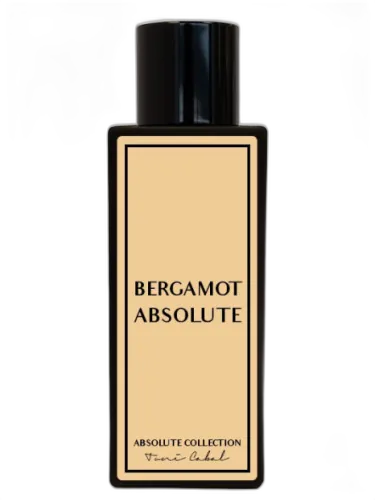
Toni Cabal
Bergamot Absolute Toni Cabal
Shared accords: amber, aromatic, fresh spicy
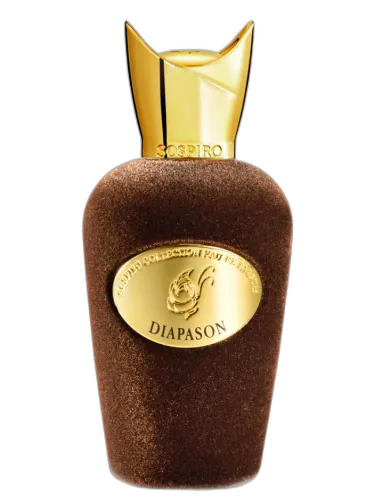
Sospiro Perfumes
Diapason Sospiro Perfumes
Shared accords: amber, aromatic, fresh spicy

Everlast
Choice Of Champions Be Wild Everlast
Shared accords: aromatic, bitter, fresh spicy
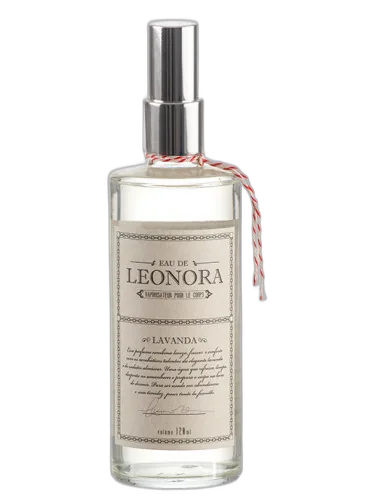
Eaux Parfums
Eau De Leonora Eaux Parfums
Shared accords: aromatic, fresh spicy, lavender

O Boticário
Sophie Like O Boticário
Shared accords: amber, aromatic, fresh spicy