


Поэзия (poetry) Новая Заря (the New Dawn)
Fragrance Story
Поэзия (Poetry) by Новая Заря (The New Dawn) is a Floral Fruity fragrance for women. Поэзия (Poetry) was launched during the 1940's. Top notes are Aldehydes, Jasmine, Lime (Linden) Blossom and Orange Blossom; middle notes are Red Apple, Oregano and Violet; base notes are Honey, Benzoin, Synthetic Civet and Amber.
Composition Profile
About the Perfumer

Unknown Perfumer
Fragrance Notes
Top Notes
First impression · 15-30 min
 Aldehydes
 Jasmine
%20Blossom.png) Lime (Linden) Blossom
Lime (Linden) Blossom
 Orange Blossom
Heart Notes
Core character · 2-4 hours
 Red Apple
 Oregano
 Violet
Base Notes
Lasting impression · 4+ hours
 Honey
Honey
 Benzoin
 Synthetic Civet
 Amber
Amber
Character Profile
The Poet Of The New Dawn Archetype: Portrait of Поэзия (poetry) Новая Заря (the New Dawn)
Essence
This person is most closely aligned with the Sage-a seeker of truth, wisdom, and meaning. The Sage thrives on introspection, intellectual exploration, and the pursuit of beauty in the abstract. They are drawn to fragrances like Поэзия (Poetry) by Новая Заря (New Dawn) because it embodies the ephemeral, the lyrical, the intangible-elements that resonate with their inner world. The Sage does not merely wear a scent; they inhabit it, allowing it to become an extension of their contemplative nature.
Yet, like all archetypes, the Sage has a shadow. When unbalanced, they may retreat into excessive detachment, becoming lost in thought rather than action, or slipping into a kind of intellectual arrogance-believing their insights elevate them above the mundane concerns of others.
Relationships
They love deeply but cautiously. Their relationships are built on shared intellectual and emotional landscapes rather than mere proximity. They may struggle with vulnerability, preferring to express affection through carefully chosen words, gifts, or shared silence rather than raw emotional exposure.
Their friendships are few but enduring, often with fellow seekers-artists, writers, philosophers-who understand their need for solitude. Romantic partners must accept that this person will never fully belong to them; part of them will always be wandering in the realm of thought, chasing the next fleeting inspiration.
Shadow
The Sage’s greatest flaw is their tendency to over-intellectualize life. They may mistake understanding for experience, believing that to analyze a feeling is the same as truly feeling it. This can make them seem distant, even cold, to those who crave immediacy and warmth.
At their worst, they may slip into solipsism, convinced that their inner world is richer, deeper, more real than the lives of others. They might dismiss passion as chaos, love as sentimentality, action as vulgarity. The challenge for them is to step out of the library of their mind and into the messy, unpredictable world-to let life, not just thought, shape them.
Conclusion
Their tastes are refined but never ostentatious. They prefer the understated elegance of vintage books, handwritten letters, and the quiet luxury of well-worn leather. Their home is a sanctuary of soft light, filled with the scent of aged paper, ink, and perhaps a single, carefully chosen flower in a glass vase. They do not chase trends but instead cultivate a personal aesthetic-timeless, poetic, slightly melancholic.
In philosophy, they are drawn to existentialism and romanticism, though they resist rigid dogma. They believe in the power of language to shape reality, in the way a fragrance can evoke a memory that never was. They value authenticity above all else, but their definition of authenticity is fluid-more about emotional truth than rigid consistency.
Similar Fragrances
Fragrances with a comparable profile - shared accords, notes, and character.
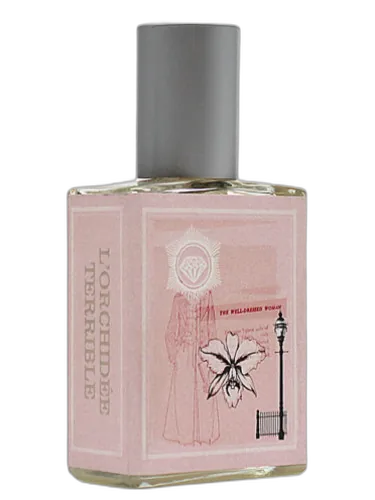
Imaginary Authors
L'orchidee Terrible Imaginary Authors
Shared accords: aldehydic, floral, fresh

Neil Morris
Midnight Star Neil Morris
Shared accords: aldehydic, floral, fresh
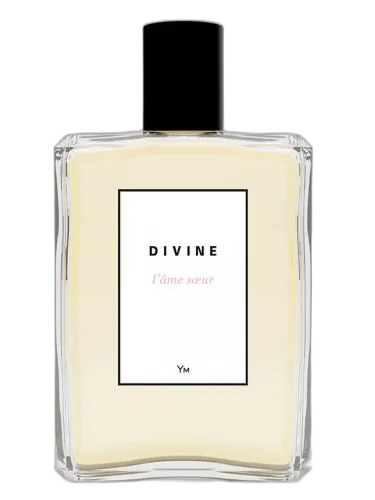
Divine
L'ame Soeur Divine
Shared accords: aldehydic, amber, floral

Red Carnation – Красная гвоздика
Вечерний Львов - Night Lviv Red Carnation – Красная Гвоздика
Shared accords: aldehydic, amber, floral

Chanel
Chanel No 5 Eau Premiere (2015) Chanel
Shared accords: aldehydic, floral, fresh