

Spring Cherry Blossom 春之樱 南柯记 Nankeji
Fragrance Story
Spring Cherry Blossom 春之樱 by 南柯记 Nankeji is a Floral fragrance for women. Spring Cherry Blossom 春之樱 was launched in 2017. The nose behind this fragrance is 璃子 Lizi. Top notes are Bergamot, Green Grass and Cherry leaf; middle notes are Cherry Blossom and Ginger flower; base notes are Cherry Tree, Olibanum and Amber.
Composition Profile
About the Perfumer

璃子 Lizi
璃子 Lizi is a Chinese perfumer who has composed an extensive range for the brand 南柯记 Nankeji. Her catalog includes Autumn Osmanthus, Autumn Woods, Bamboo Dew, Beaded Curtain, Blossoms Fall, Chang’an Old Dream, Courtyard Osmanthus, and Empty Mountain. These fragrances reflect a deep connection to nature and traditional Chinese aesthetics.
Fragrance Notes
Top Notes
First impression · 15-30 min
 Bergamot
 Green Grass
 Cherry leaf
Heart Notes
Core character · 2-4 hours
 Cherry Blossom
Ginger flower
Cherry Blossom
Ginger flower
Base Notes
Lasting impression · 4+ hours
 Cherry Tree
Olibanum
Cherry Tree
Olibanum
 Amber
Amber
Spring Cherry Blossom 春之樱 南柯记 Nankeji by 南柯记 Nankeji offers a distinctive olfactory experience that stands out from other fragrances in its category.
Crafted with the finest ingredients and a blend of traditional and modern perfumery techniques, this fragrance represents the pinnacle of the perfumer's art.
Spring Cherry Blossom 春之樱 南柯记 Nankeji embodies the distinctive style of 南柯记 Nankeji while adding a unique chapter to their fragrance portfolio.
Character Profile
The Innocent Archetype: Portrait of Spring Cherry Blossom 春之樱 南柯记 Nankeji
Essence
The person who cherishes Spring Cherry Blossom is most closely aligned with the Innocent archetype-a soul who seeks purity, simplicity, and beauty in a world they often perceive as harsh or chaotic. Like the fleeting sakura petals, they embody transience and hope, believing in the inherent goodness of life even when evidence suggests otherwise. Their fragrance choice reflects this: light, delicate, and ephemeral, with a sweetness that is neither cloying nor naive, but rather a deliberate embrace of optimism.
Yet, the Innocent is not without shadows. Their idealism can blind them to life’s complexities, and their aversion to conflict may lead to passive avoidance rather than resolution. They are not ignorant, but they are selective in what they allow to touch their spirit.
Style & Aesthetic
Their world is one of soft edges and gentle contrasts. They favor flowing fabrics-linen, silk, cotton-in muted pastels or earthy neutrals, with occasional delicate floral prints. Their home is airy, filled with natural light, uncluttered but not sterile; every object holds meaning. A single cherry blossom branch in a vase, a well-worn book of poetry, a hand-thrown ceramic teacup-these are the artifacts of their existence.
They dislike ostentation, finding vulgarity in excess. Their taste in music leans toward acoustic melodies, ambient soundscapes, or classical compositions that evoke open fields and quiet mornings. They may dabble in watercolor painting, ikebana, or journaling-practices that require patience and reverence for subtle beauty.
Mornings are sacred to them. They rise early, savoring the quiet-steeping tea, watching the sunrise, perhaps writing in a journal. Their work, if they have a choice, leans toward the creative or nurturing: teaching, gardening, counseling, or the arts. They dislike rigid schedules, preferring a rhythm that allows for spontaneity and reflection.
Yet their aversion to structure can become a weakness. Without external demands, they may drift, mistaking passivity for peace. Their shadow is procrastination disguised as mindfulness, avoidance masquerading as serenity.
Philosophy & Values
They believe in kindness as a radical act. To them, the world is already fractured enough; why add to its weight? Their morality is intuitive rather than dogmatic-guided by compassion rather than rigid rules. They are drawn to philosophies that emphasize harmony: Zen Buddhism, Taoism, or the Romantic ideal of nature as a healing force.
Yet this very idealism can become their undoing. When reality fails to match their vision-when people prove selfish, systems corrupt, or love conditional-they may retreat into disillusionment. Their shadow is not malice, but a quiet despair, a fear that their faith in beauty was foolish all along.
Relationships
They are not the life of the party, but the one who lingers at the edges, offering a warm smile or a thoughtful word. Friends cherish them for their ability to listen without judgment, to make even mundane moments feel sacred. Romantic partners are drawn to their tenderness, though some may grow frustrated by their reluctance to engage in conflict.
Their relationships thrive in environments of mutual gentleness but falter under pressure. They may struggle with boundaries, absorbing others’ emotions to the point of exhaustion. In love, they yearn for a connection that feels fated-a meeting of souls as perfect and transient as cherry blossoms in spring. When love proves messy or demanding, they may withdraw, preferring the safety of solitude to the risk of heartbreak.
Conclusion
Their greatest strength is their ability to see and create beauty where others see none. In a cynical world, they are a living reminder that joy is not naive-it is an act of resistance.
But their weakness lies in their fragility. When life refuses to conform to their vision, they risk collapsing into melancholy or escapism. The challenge for them is not to abandon their idealism, but to temper it with resilience-to learn that true innocence is not ignorance of darkness, but the choice to bloom despite it.
Like the cherry blossom, they are fleeting, fragile, and utterly necessary. The world is colder without them.
Similar Fragrances
Fragrances with a comparable profile - shared accords, notes, and character.
南柯记 Nankeji
Spring Cherry Blossom 春之樱 南柯记 Nankeji
Shared accords: amber, citrus, floral

Avon
Wild Country For Her Avon
Shared accords: amber, citrus, floral
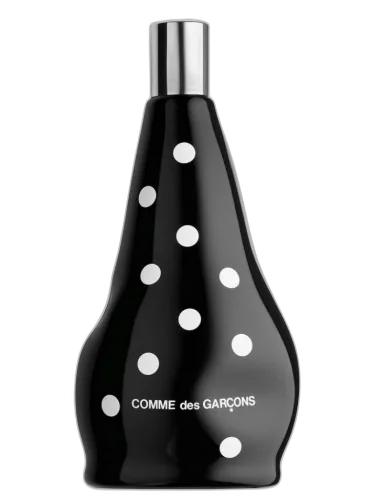
Comme des Garcons
Dot Comme Des Garcons
Shared accords: amber, citrus, floral

ELOREA | 향수
Hazy Blue (이내) Elorea | 향수
Shared accords: amber, citrus, floral
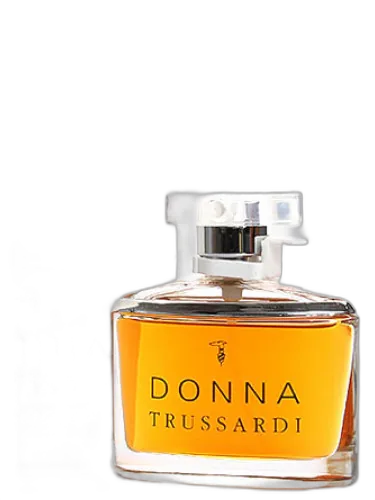
Trussardi
Donna Trussardi Trussardi
Shared accords: amber, citrus, floral