
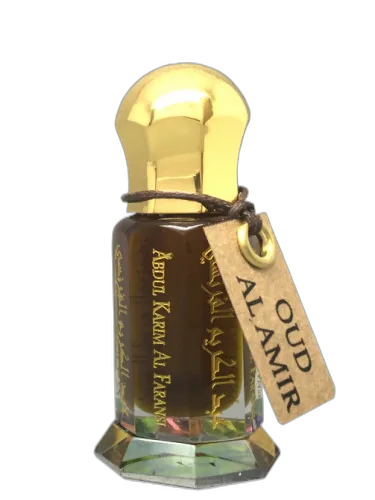

Oud Al Amir Abdul Karim Al Faransi
Fragrance Story
Oud Al Amir by Abdul Karim Al Faransi is a Woody Aromatic fragrance for men. Oud Al Amir was launched in 2014. The nose behind this fragrance is Anthony Abdul Karim Marmin. Top notes are Woody Notes and Caramel; middle notes are Honey and Green Notes; base notes are Cambodian Oud and Fruits.
Composition Profile
About the Perfumer

Anthony Abdul Karim Marmin
Anthony Abdul Karim Marmin is a perfumer closely associated with the house of Abdul Karim Al Faransi, where he has created a wide range of fragrances. His style spans bold, resinous compositions like Amber 4000 and Amber Afghani, as well as more complex, evocative scents such as Al Quds and Amazonia. Known for blending traditional Middle Eastern ingredients with modern accords, his work often features rich amber, oud, and spice notes.
Fragrance Notes
Top Notes
First impression · 15-30 min
 Woody Notes
 Caramel
Heart Notes
Core character · 2-4 hours
 Honey
Honey
 Green Notes
Base Notes
Lasting impression · 4+ hours
 Cambodian Oud
 Fruits
Oud Al Amir Abdul Karim Al Faransi by Abdul Karim Al Faransi offers a distinctive olfactory experience that stands out from other fragrances in its category.
Crafted with the finest ingredients and a blend of traditional and modern perfumery techniques, this fragrance represents the pinnacle of the perfumer's art.
Oud Al Amir Abdul Karim Al Faransi embodies the distinctive style of Abdul Karim Al Faransi while adding a unique chapter to their fragrance portfolio.
Character Profile
The Sovereign Archetype: Portrait of Oud Al Amir Abdul Karim Al Faransi
Essence
The person who favors Oud Al Amir Abdul Karim Al Faransi is most closely aligned with The Ruler archetype-a figure of authority, refinement, and commanding presence. This fragrance, rich with the regal depth of oud, the warmth of spices, and the subtlety of aged woods, mirrors their innate gravitas. They are not merely drawn to power but to the responsibility that comes with it. Their essence is one of control-over themselves, their environment, and the impressions they leave.
Yet, like all archetypes, The Ruler has its shadow. The same qualities that make them dignified and influential can harden into rigidity, a reluctance to yield, or an overbearing need to dictate. Their challenge lies in tempering dominance with grace, ensuring their strength does not become tyranny.
Style & Aesthetic
Their tastes are deliberate, never accidental. They favor the timeless over the fleeting-dark tailored suits, polished leather, and understated jewelry that whispers rather than shouts. Their home is a sanctuary of order: mahogany bookshelves, Persian rugs, and a single, well-placed antique that suggests history without ostentation.
In art, they prefer the masters-Caravaggio’s chiaroscuro, Rembrandt’s depth, the structured elegance of Bach. They do not indulge in frivolity; every choice is a statement of discernment. Even their pleasures are measured-a glass of aged whiskey, a cigar rolled by hands that know their craft, the slow unfurling of a rare vinyl record.
Their days are structured, their ambitions clear. They rise early, their routines precise-exercise that is more ritual than indulgence, meals that are deliberate, never rushed. Professionally, they gravitate toward roles where their authority is recognized: executives, diplomats, or those who shape institutions.
But the shadow of The Ruler is exhaustion-the weight of always being in command. They may secretly envy those who live without such burdens, yet they cannot imagine a life without them.
Philosophy & Values
They believe in hierarchy-not as oppression, but as natural order. Someone must lead; why not the most capable? Their moral code is unyielding: honor your word, respect tradition, and never betray weakness. They despise carelessness, seeing it as a moral failing.
Yet this conviction can calcify. They may mistake flexibility for frailty, dismissing those who lead with empathy rather than force. Their greatest fear is irrelevance-to be dethroned, forgotten, or worse, deemed unnecessary.
Relationships
They do not have many friends, but those they keep are bound by unspoken loyalty. Their love is not effusive but demonstrated through acts-protection, counsel, the quiet granting of favors. Romantic partners must understand that their devotion is fierce but not free; they expect reverence in return.
Their shadow emerges in intimacy. They struggle to relinquish control, to be vulnerable without seeing it as surrender. They may demand too much, mistake obedience for love, or grow impatient with those who do not match their discipline.
Conclusion
At their best, they are pillars-dependable, wise, the kind of person others instinctively turn to in crisis. But when unbalanced, they become despots-inflexible, cold, unable to adapt. Their fragrance, Oud Al Amir Abdul Karim Al Faransi, is their essence: deep, complex, demanding attention, yet at risk of overwhelming those who come too close.
To evolve, they must learn that true sovereignty lies not just in ruling, but in knowing when to step aside.
Similar Fragrances
Fragrances with a comparable profile - shared accords, notes, and character.
Abdul Karim Al Faransi
Oud Al Amir Abdul Karim Al Faransi
Shared accords: animalic, caramel, fruity
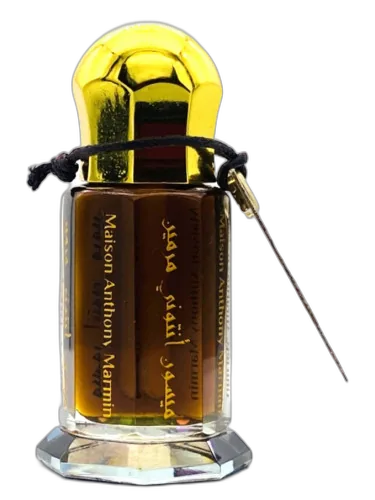
Maison Anthony Marmin
Oud Al Amir Maison Anthony Marmin
Shared accords: animalic, fruity, honey
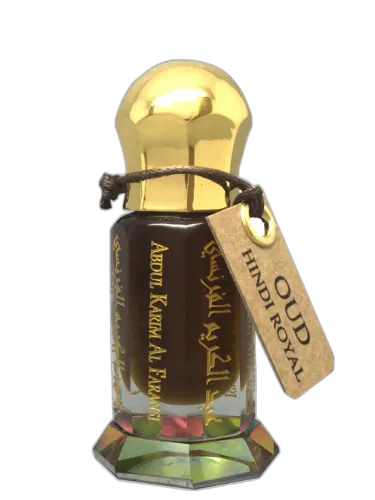
Abdul Karim Al Faransi
Oud Hindi Royal Abdul Karim Al Faransi
Shared accords: fruity, honey, sweet
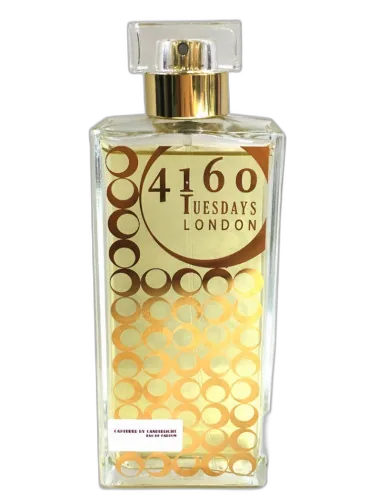
4160 Tuesdays
Captured By Candlelight 4160 Tuesdays
Shared accords: animalic, caramel, fruity
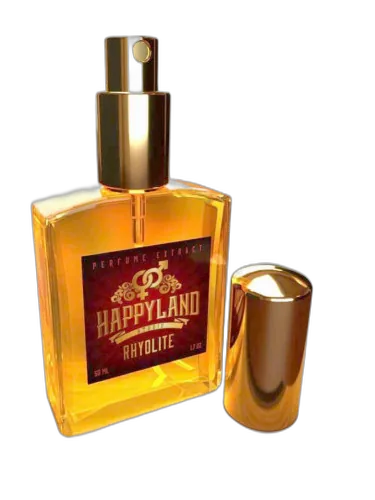
Happyland
Rhyolite Happyland
Shared accords: caramel, fruity, honey