
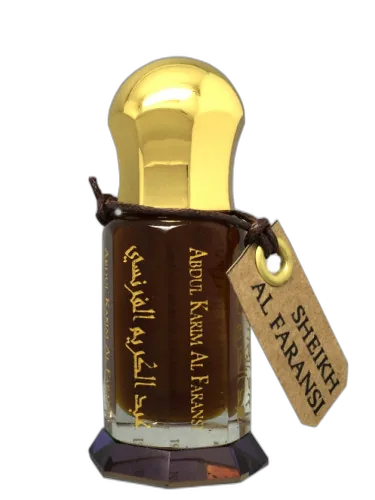

Sheikh Al Faransi Abdul Karim Al Faransi
At a glance
Is Sheikh Al Faransi Abdul Karim Al Faransi worth trying?
Sheikh Al Faransi by Abdul Karim Al Faransi is a Woody fragrance for men.
- Best match
- Evening wear in Winter
- Performance feel
- Excellent longevity with Strong sillage
- Signature profile
- amber, woody, sweet with Amber, Woody Notes, Ambergris
The first impression
Sheikh Al Faransi by Abdul Karim Al Faransi is a Woody fragrance for men. Sheikh Al Faransi was launched in 2015. The nose behind this fragrance is Anthony Abdul Karim Marmin. Top notes are Amber and Woody Notes; middle notes are Ambergris, Sweet Notes and Floral Notes; base notes are Agarwood (Oud) and Sandalwood.
What shapes the scent
The perfumer behind it

Anthony Abdul Karim Marmin
Anthony Abdul Karim Marmin is a perfumer closely associated with the house of Abdul Karim Al Faransi, where he has created a wide range of fragrances. His style spans bold, resinous compositions like Amber 4000 and Amber Afghani, as well as more complex, evocative scents such as Al Quds and Amazonia. Known for blending traditional Middle Eastern ingredients with modern accords, his work often features rich amber, oud, and spice notes.
Notes pyramid
Top Notes
First impression · 15-30 min
 Amber
Amber
 Woody Notes
Heart Notes
Core character · 2-4 hours
 Ambergris
 Sweet Notes
 Floral Notes
Base Notes
Lasting impression · 4+ hours
 Agarwood (Oud)
 Sandalwood
The mood it creates
The Sovereign Archetype: Portrait of Sheikh Al Faransi Abdul Karim Al Faransi
Essence
To wear Sheikh Al Faransi Abdul Karim Al Faransi is to announce oneself as a figure of authority, refinement, and mystique. This fragrance-opulent, commanding, yet subtly enigmatic-speaks of a personality that does not merely exist in the world but shapes it. The one who favors this scent is most closely aligned with the Sovereign archetype, the ruler who governs not just externally but internally, with an unshakable sense of self-possession.
Style & Aesthetic
This person moves through life with an air of effortless command. Their style is neither ostentatious nor understated, but definitive-tailored suits in deep hues, crisp fabrics that drape with intention, accessories that suggest heritage rather than trend. They understand the power of presentation, knowing that perception is the first layer of influence.
Their tastes are exacting: they prefer the weight of a well-bound book, the burn of aged whiskey, the quiet hum of a grand piano in an otherwise silent room. Luxury, to them, is not about excess but about discernment. They do not chase what is popular; they select what endures.
Their home is a sanctuary of order-spacious but never barren, decorated with intention. A library of leather-bound volumes, a study where decisions are made, a dining table set for gatherings that are more strategic than social. They thrive in environments where they can observe before engaging, where they can exert influence without raising their voice.
Work is not merely a career but a legacy-they build institutions, not just resumes. Whether in business, politics, or the arts, they think in decades, not years. Yet this long vision can blind them to the present. They may neglect the small joys, the fleeting pleasures that make life more than a series of calculated moves.
Philosophy & Values
The Sovereign does not seek power for its own sake but assumes it as a natural consequence of competence. They believe in order, hierarchy, and the necessity of leadership-not because they crave dominance, but because they see chaos as the true enemy. Their philosophy is one of noblesse oblige: privilege is meaningless without responsibility.
Yet, this sense of duty can harden into rigidity. They expect much of themselves and, by extension, of others. Their shadow emerges when patience thins, when they mistake their own standards for universal law. The Sovereign who forgets humility becomes a tyrant, wielding authority like a blunt instrument rather than a guiding hand.
Relationships
Few are permitted close, but those who are find loyalty as unyielding as stone. The Sovereign does not give trust lightly, but once given, it is nearly unbreakable. Their love is not effusive but substantial-expressed in acts, not words. A partner must understand that devotion does not mean constant attention; the Sovereign’s mind is often elsewhere, balancing unseen weights.
Yet herein lies their flaw: emotional reserve can calcify into detachment. They may mistake solitude for strength, forgetting that even rulers need counsel. Their greatest relational challenge is vulnerability-the admission that power does not preclude need.
Shadow
The Sovereign’s greatest weakness is the illusion of self-sufficiency. They may dismiss emotions as distractions, relationships as transactions. When unbalanced, they become cold, dictatorial, mistaking control for wisdom. The fragrance they wear-rich, imposing-can turn cloying if worn without self-awareness.
But in their highest expression, they are the steady hand in chaos, the voice that cuts through noise. They do not seek followers; they cultivate equals. And in those rare moments when they allow themselves to set the crown aside, they reveal the depth beneath the authority-a person who, for all their power, still seeks meaning beyond it.
To wear Sheikh Al Faransi Abdul Karim Al Faransi is to accept the burden of command-and the solitude that comes with it. The Sovereign knows this, and wears it anyway.
If you like this, try these
Fragrances with a comparable profile - shared accords, notes, and character.
Al Shareef Oudh
Turath Ii Al Shareef Oudh
Shared heart notes: ambergris
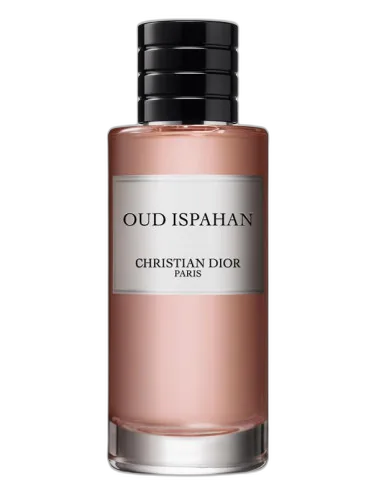
Dior
Oud Ispahan Dior
Shared top notes: woody notes
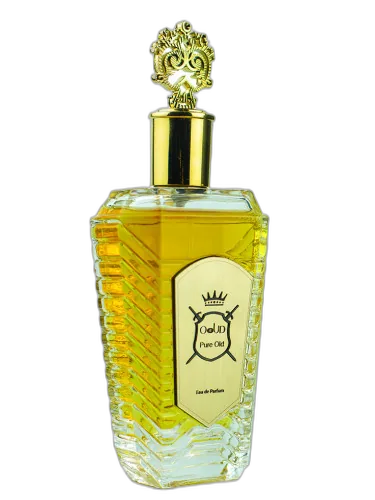
Prince War
Oooud Pure Old Prince War
Shared heart notes: floral notes
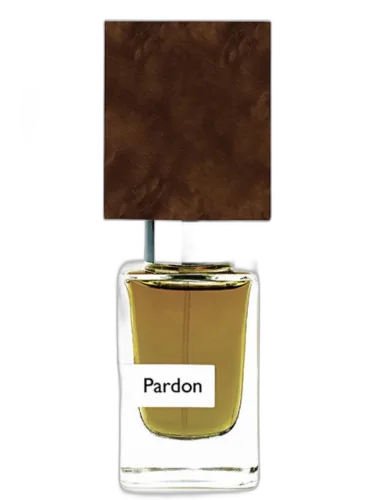
Nasomatto
Pardon Nasomatto
Shared base notes: agarwood (oud), sandalwood
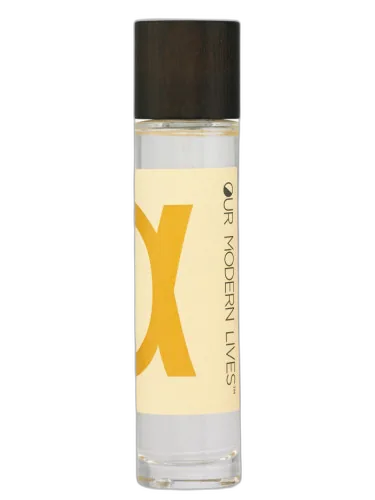
Our Modern Lives
Oml Α Our Modern Lives
Shared top notes: amber, woody notes