


Pardon Nasomatto
At a glance
Is Pardon Nasomatto worth trying?
Pardon by Nasomatto is a fragrance for men.
- Best match
- Evening wear in Fall
- Performance feel
- Excellent longevity with Strong sillage
- Signature profile
- warm spicy, oud, chocolate with Magnolia, Flowers, Dark Chocolate
The first impression
Pardon by Nasomatto is a fragrance for men. Pardon was launched in 2011. The nose behind this fragrance is Alessandro Gualtieri. Top notes are Magnolia and Flowers; middle notes are Dark Chocolate, Tonka Bean and Cinnamon; base notes are Agarwood (Oud) and Sandalwood.
What shapes the scent
The perfumer behind it

Alessandro Gualtieri
Alessandro Gualtieri is an Italian perfumer and founder of the Nasomatto brand, known for his bold, unconventional approach to fragrance. His olfactory style emphasizes raw materials and intense, often provocative compositions that challenge traditional perfumery. Notable creations from our catalog include Nasomatto’s Absinth, Baraonda, and Blamage, as well as the MariaLux series and L’essence de Mastenbroek, all reflecting his signature dramatic and unapologetic aesthetic.
Notes pyramid
Top Notes
First impression · 15-30 min
 Magnolia
 Flowers
Heart Notes
Core character · 2-4 hours
 Dark Chocolate
 Tonka Bean
 Cinnamon
Base Notes
Lasting impression · 4+ hours
 Agarwood (Oud)
 Sandalwood
The mood it creates
The Alchemist Archetype: Portrait of Pardon Nasomatto
Essence
At the core of this person’s being lies the Sage-an archetype of wisdom, introspection, and transformation. Like an alchemist distilling essences into gold, they seek meaning beneath the surface, drawn to the enigmatic and the profound. Pardon Nasomatto, with its dark, woody mystique-hints of oud, patchouli, and cocoa-mirrors their essence: complex, layered, and unafraid of shadows.
This is not a fragrance for the casual or the conventional. It is a scent for those who dwell in the liminal spaces between knowledge and mystery, who understand that truth is often veiled, and who are willing to embrace ambiguity.
Style & Aesthetic
Their style is deliberate but never ostentatious. They favor textures that whisper rather than shout: aged leather, raw silk, the weight of well-worn wool. Their wardrobe is a study in restraint, with occasional flashes of the unexpected-a deep burgundy scarf, a vintage signet ring, a coat that looks like it carries stories.
Their living space is similarly curated-dark woods, muted tones, perhaps an antique desk cluttered with books and curios. There is always a sense of controlled chaos, as if order and mystery are in a perpetual dance.
They are drawn to craftsmanship and ritual-whether it’s brewing coffee with ceremonial precision, collecting rare first editions, or mastering an obscure skill like calligraphy or perfumery itself. Their hobbies are never frivolous; they are extensions of their search for meaning.
Professionally, they thrive in fields that allow for autonomy and depth-writing, psychology, academia, or the arts. They disdain corporate mundanity, though they may grudgingly navigate it if necessary. Their true work is always, in some way, alchemical-turning the base materials of life into something richer.
Philosophy & Values
Their worldview is one of quiet rebellion-not against society in the loud, performative sense, but against superficiality. They reject the tyranny of the obvious, preferring instead the richness of paradox. To them, life is not a problem to be solved but a riddle to be lived.
They value depth over speed, substance over spectacle. Their conversations are laced with references to philosophy, esoteric traditions, or forgotten histories. They are drawn to thinkers like Jung, Nietzsche, and the mystics-those who dared to explore the uncharted territories of the mind.
Yet, their wisdom is not merely intellectual. It is embodied, a lived philosophy. They understand that knowledge without experience is hollow, and so they seek to integrate thought with action, even if that action is often internal-a constant refining of the self.
Relationships
They are not a social butterfly, nor do they wish to be. Their relationships are few but fiercely meaningful. They attract others who appreciate nuance, who do not fear silence, who understand that intimacy is often found in the unspoken.
Yet, their depth can be isolating. Some find them too intense, too willing to dwell in the uncomfortable. They may struggle with impatience toward those who prefer simplicity over complexity. Their love is not unconditional-it demands engagement, curiosity, a willingness to meet them in the depths.
Shadow
For all their wisdom, they are not without flaws. Their greatest strength-their introspection-can become a prison. At times, they retreat too far inward, mistaking solitude for enlightenment. They may grow disdainful of those who do not share their depth, forgetting that wisdom must sometimes descend from the ivory tower to touch the earth.
There is also a tendency toward melancholy, a lingering sense that they are outsiders even among those who love them. This can breed a subtle arrogance, a belief that their solitude is a mark of superiority rather than a choice (or a burden).
Conclusion
Pardon Nasomatto is not a fragrance one wears lightly. It is a declaration-a scent for those who walk the line between shadow and light, who find beauty in the unresolved. The Sage who wears it is both seeker and guide, a figure who understands that wisdom is not found in answers but in the courage to keep questioning.
Yet, like all archetypes, they must beware their own depths. The same introspection that illuminates can also obscure, and the alchemist must remember that gold, too, must sometimes be spent-not hoarded in solitude.
If you like this, try these
Fragrances with a comparable profile - shared accords, notes, and character.
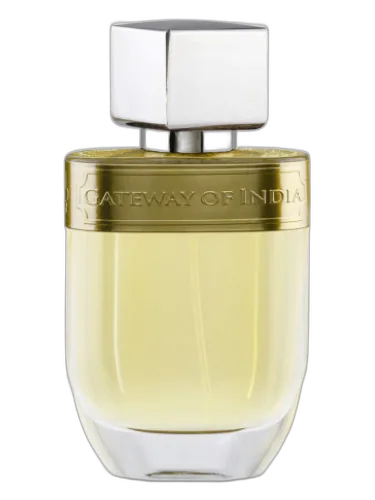
Aulentissima
Gateway Of India Aulentissima
Shared top notes: magnolia
Guerlain
Tobacco Honey Guerlain
Shared base notes: agarwood (oud), sandalwood
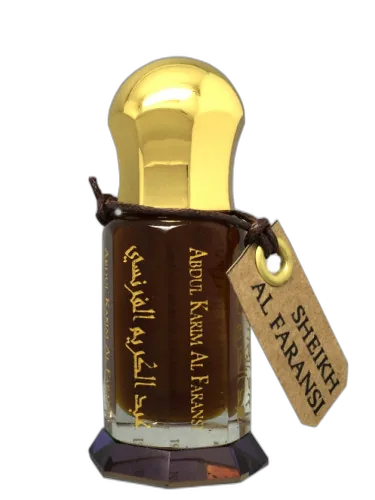
Abdul Karim Al Faransi
Sheikh Al Faransi Abdul Karim Al Faransi
Shared base notes: agarwood (oud), sandalwood
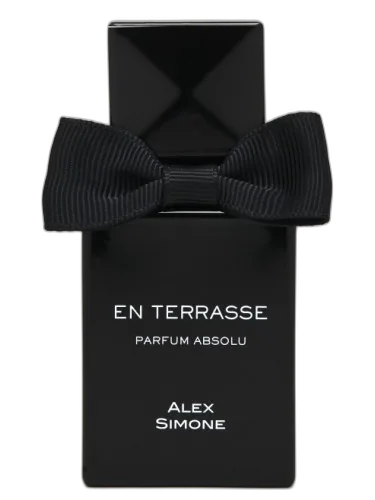
Alex Simone
En Terrasse Parfum Absolu Alex Simone
Shared base notes: agarwood (oud), sandalwood
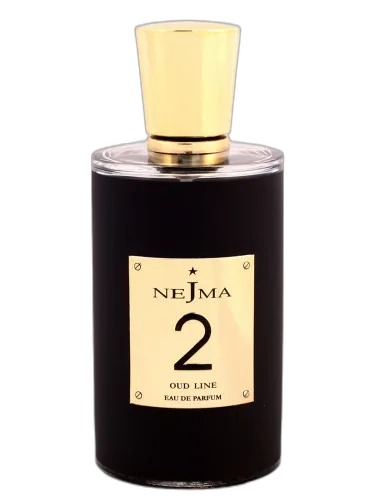
Nejma
Nejma 2 Nejma
Shared base notes: agarwood (oud), sandalwood