
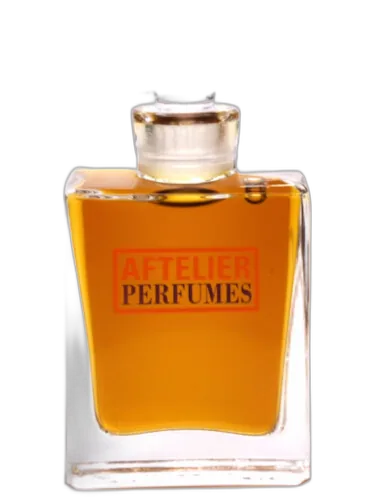

Sacré Bleu Aftelier
Fragrance Story
Sacré Bleu by Aftelier is a Oriental Floral fragrance for women and men. This is a new fragrance. Sacré Bleu was launched in 2024. The nose behind this fragrance is Mandy Aftel.
Composition Profile
About the Perfumer

Mandy Aftel
Mandy Aftel is an American perfumer and founder of Aftelier Perfumes. Her catalog includes Alchemy (2018), Amber, Amber Tapestry, Antique Ambergris, Bergamoss, Boheme Confection, Boronia Single Solid, and Cacao. Aftel is known for using natural and vintage ingredients to create complex, artisanal fragrances.
Fragrance Notes
All Notes
Complete scent profile
 Ambergris
 Mysore Sandalwood
 Boronia
 Blue Lotus
Black Tea
Blue Lotus
Black Tea
 Mimosa
 Ionones
Sacré Bleu Aftelier by Aftelier offers a distinctive olfactory experience that stands out from other fragrances in its category.
Crafted with the finest ingredients and a blend of traditional and modern perfumery techniques, this fragrance represents the pinnacle of the perfumer's art.
Sacré Bleu Aftelier embodies the distinctive style of Aftelier while adding a unique chapter to their fragrance portfolio.
Character Profile
The Mystic Archetype: Portrait of Sacré Bleu Aftelier
Essence
To wear Sacré Bleu Aftelier is to embrace the sacred and the sensual in equal measure-a fragrance of deep blue resins, smoky frankincense, and a whisper of something unnameable, like incense curling through the vaulted arches of an ancient cathedral. The person who chooses this scent is not merely drawn to its beauty but is compelled by its mystery, its suggestion of hidden depths. They are, at their core, a Mystic-one who seeks meaning beyond the visible, who dwells in the liminal spaces between the material and the transcendent.
Shadow
Yet the Mystic is not without their flaws. Their preoccupation with the hidden can make them detached, floating above the mundane in a way that borders on evasion. Bills go unpaid, appointments forgotten-not out of carelessness, but because the material world feels ephemeral compared to the realm of symbols and visions.
They may also struggle with dogmatism of the unseen, dismissing those who do not share their sensitivity to the mystical as "unawakened." At their worst, they can become self-righteous, convinced of their own spiritual superiority. Their intuition, though sharp, is not infallible-yet they may trust it blindly, leading them into delusion or paranoia.
Their relationships may suffer from their tendency to romanticize. They fall in love with potential, with the idea of a person rather than the flawed reality. When disillusionment comes, it is crushing, and they may retreat further into solitude, mistaking isolation for enlightenment.
Conclusion
Their tastes are not of this world, or at least not entirely. They are drawn to the archaic, the symbolic, the ritualistic-medieval illuminated manuscripts, Byzantine mosaics, the poetry of Rilke or the Sufi mystics. Their home is a sanctuary, filled with objects that seem to hum with quiet significance: a bowl of dried rose petals, a tarnished silver icon, a well-worn volume of alchemical texts. They do not decorate; they consecrate.
In style, they favor textures that speak of time-heavy linens, raw silks, garments that seem to have been passed down through generations. Their clothing is never loud, but it is never plain; there is always a detail-a frayed edge, an embroidered symbol-that suggests a hidden narrative. They move through the world as if half in a dream, their presence both magnetic and elusive.
Philosophy is not an abstraction for them but a lived experience. They believe in the unseen architecture of existence-that every moment contains layers of meaning, that synchronicities are not coincidences but whispers from the universe. They are not religious in the dogmatic sense, but they are deeply spiritual, drawn to esoteric traditions that honor the marriage of shadow and light.
Similar Fragrances
Fragrances with a comparable profile - shared accords, notes, and character.
Aftelier
Sacré Bleu Aftelier
Shared accords: amber, animalic, aquatic
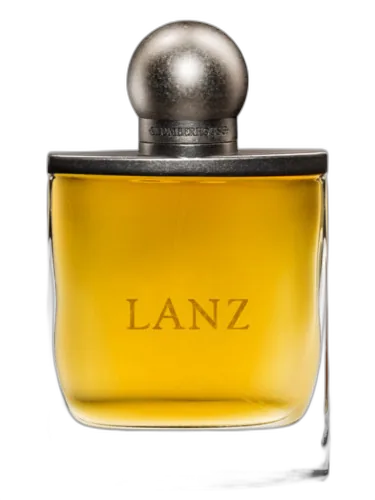
Slumberhouse
Lanz Slumberhouse
Shared accords: amber, animalic, balsamic

Incarna parfums
Lelia Incarna Parfums
Shared accords: aquatic, floral, green
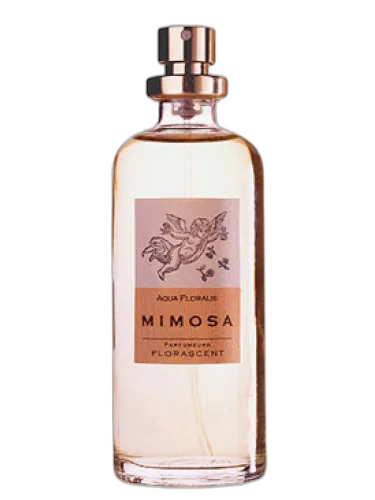
Florascent
Mimosa Florascent
Shared accords: amber, aquatic, balsamic
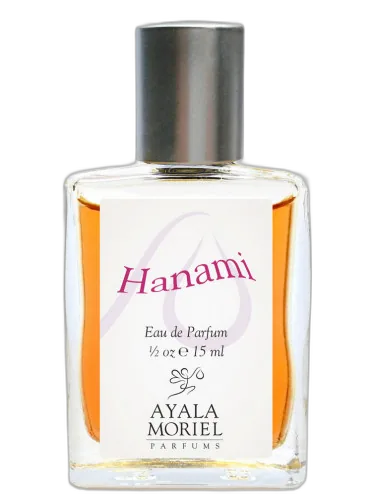
Ayala Moriel
Hanami Ayala Moriel
Shared accords: amber, aquatic, balsamic