
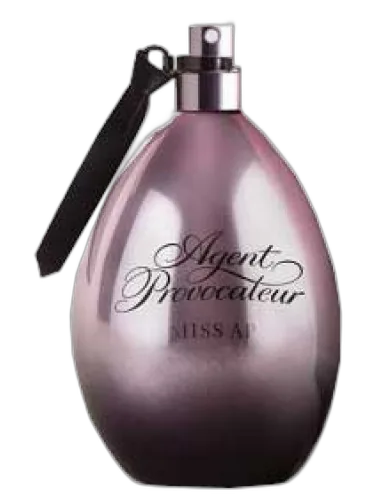

Miss Ap Agent Provocateur
At a glance
Is Miss Ap Agent Provocateur worth trying?
Miss AP by Agent Provocateur is a Oriental Floral fragrance for women.
- Best match
- Evening wear in Fall
- Performance feel
- Good longevity with Moderate sillage
- Signature profile
- woody, rose, patchouli with Ylang-Ylang, Pink Pepper, Rose
The first impression
Miss AP by Agent Provocateur is a Oriental Floral fragrance for women. Miss AP was launched in 2019. The nose behind this fragrance is Christian Provenzano. Top notes are Ylang-Ylang and Pink Pepper; middle notes are Rose and Bourbon Geranium; base notes are Patchouli, Amber and Sandalwood.
What shapes the scent
The perfumer behind it

Christian Provenzano
Christian Provenzano is a perfumer who has contributed to several Agent Provocateur fragrances, including the original Agent Provocateur, Maitresse, and Ménage À Trois. He also created Ambra Guaiac for Alysonoldoini and Diamond Dust Edition for Agent Provocateur. His work often features bold, sensual accords.
Notes pyramid
Top Notes
First impression · 15-30 min
 Ylang-Ylang
 Pink Pepper
Heart Notes
Core character · 2-4 hours
 Rose
Rose
 Bourbon Geranium
Base Notes
Lasting impression · 4+ hours
 Patchouli
 Amber
Amber
 Sandalwood
The mood it creates
The Lover Archetype: Portrait of Miss Ap Agent Provocateur
Essence
To wear Miss Ap Agent Provocateur is to embrace the intoxicating dance between seduction and self-possession. This fragrance-bold, floral, with a darkly sweet undercurrent-belongs to one who understands power in allure, who wields femininity like a finely honed blade. They are the embodiment of the Lover archetype, a figure who lives through the senses, thrives on passion, and seeks to merge beauty with intensity in every facet of existence.
Their life is a carefully curated performance, yet not an insincere one-they do not merely play at desire; they are desire incarnate. Every choice, from the silk of their lingerie to the slow sip of a bitter cocktail, is an act of devotion to the sensual world. They do not shy from decadence, but neither do they drown in it; they command it.
Shadow
Yet, like all archetypes, the Lover has its darkness. Their need for intensity can tip into excess-love becomes obsession, pleasure becomes escape. They may grow restless in stability, mistaking comfort for stagnation. The same charm that draws people in can become manipulation, a game played for the thrill of conquest rather than connection.
Their greatest fear is to become ordinary, to fade into the background. This fear can drive them to theatricality, to drama for its own sake. They may mistake possession for passion, mistaking jealousy for devotion. And when their hunger for sensation goes unchecked, they risk losing themselves in it-becoming a slave to their own appetites rather than their master.
Conclusion
Their tastes are unapologetically rich-dark red wines, velvet drapes, the scent of jasmine at midnight. They favor clothing that clings just enough to suggest, never to reveal entirely. Their home is a temple of textures: fur throws, polished mahogany, the flicker of candlelight on silver. They are drawn to art that thrums with life-Klimt’s gold-kissed lovers, the poetry of Baudelaire, the smoky jazz of Nina Simone.
Philosophically, they reject the notion that pleasure is frivolous. To them, pleasure is philosophy in motion-a way of being that defies puritanical restraint. They believe in the sacredness of touch, the intelligence of the body, the wisdom of surrender. Yet they are no mere hedonist; their indulgence is deliberate, a rebellion against the mundane.
If you like this, try these
Fragrances with a comparable profile - shared accords, notes, and character.
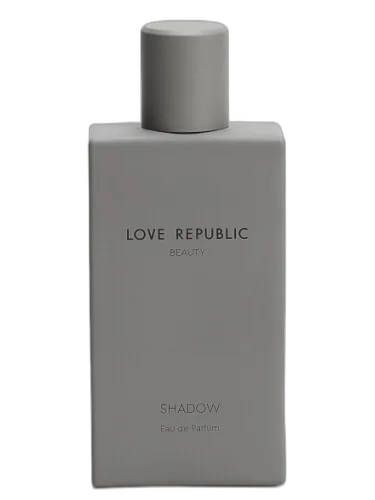
Love Republic
Shadow Love Republic
Shared heart notes: rose
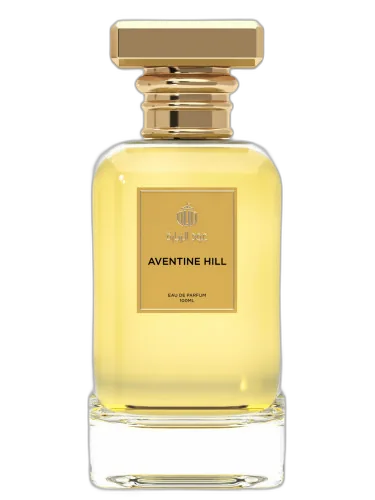
Oud Al Zubarah
Aventine Hill Oud Al Zubarah
Shared top notes: pink pepper
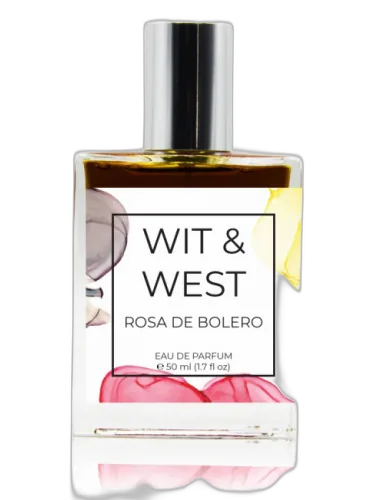
Wit & West
Rosa De Bolero Wit & West
Shared top notes: pink pepper
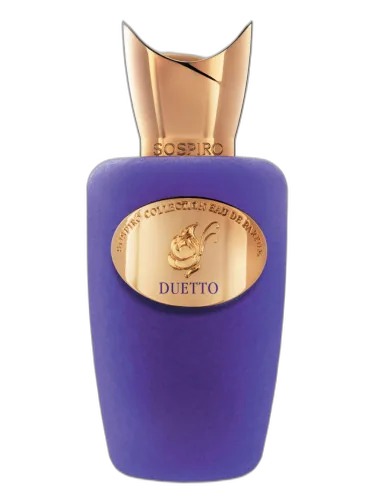
Sospiro Perfumes
Duetto Sospiro Perfumes
Shared top notes: pink pepper, ylang-ylang
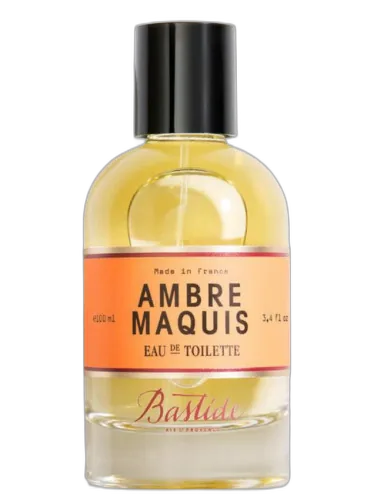
Bastide Aix en Provence
Ambre Maquis Bastide Aix En Provence
Shared heart notes: rose