
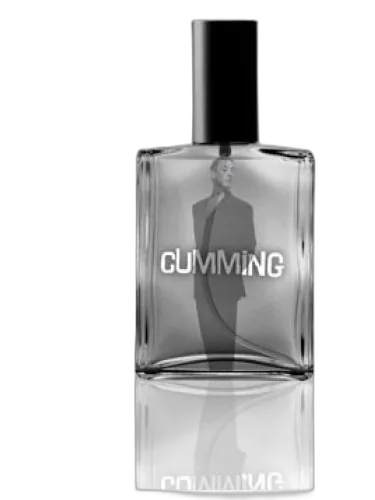

Cumming Alan Cumming
At a glance
Is Cumming Alan Cumming worth trying?
Cumming by Alan Cumming is a Aromatic Fougere fragrance for men.
- Best match
- Evening wear in Fall
- Performance feel
- Good longevity with Moderate sillage
- Signature profile
- earthy, woody, vinyl with Whiskey, Black Pepper, Bergamot
The first impression
Cumming by Alan Cumming is a Aromatic Fougere fragrance for men. Cumming was launched in 2004. The nose behind this fragrance is Christopher Brosius. Top notes are Whiskey, Black Pepper, Bergamot and Pine; middle notes are Vinyl, Tobacco, heather and Fir; base notes are Soil Tincture, Leather and Peat.
What shapes the scent
The perfumer behind it

Christopher Brosius
Christopher Brosius is an American perfumer and founder of CB I Hate Perfume, known for his unconventional, narrative-driven scents. His portfolio includes fragrances like 2nd Cumming, At the Beach 1966, and Beautiful Launderette, which evoke specific memories and atmospheres. He also created Cumming for actor Alan Cumming, blending personal storytelling with olfactory art.
Notes pyramid
Top Notes
First impression · 15-30 min
 Whiskey
 Black Pepper
 Bergamot
Pine
Bergamot
Pine
Heart Notes
Core character · 2-4 hours
 Vinyl
Vinyl
 Tobacco
 heather
 Fir
Fir
Base Notes
Lasting impression · 4+ hours
Soil Tincture
 Leather
 Peat
Peat
The mood it creates
The Archetype Archetype: Portrait of Cumming Alan Cumming
Essence
The fragrance Cumming by Alan Cumming is an olfactory paradox-playful yet dark, cheeky yet introspective, a scent that refuses to be pinned down. It is a fragrance for those who dance on the edge of convention, who delight in subversion while maintaining a knowing smirk. The person who wears this scent is, above all, a Trickster-an archetype that embodies wit, irreverence, and the destabilization of norms. Like Hermes or Loki, they move through life with a mischievous glint in their eye, bending reality just enough to keep others guessing.
Style & Aesthetic
Their wardrobe is an extension of their psyche: eclectic, theatrical, but never costumed. They favor tailored blazers with a subtle eccentricity-a hidden lining of leopard print, a pocket square in an unsettling shade of green. Their jewelry is understated but strange: a signet ring with an obscure symbol, a necklace that might be an heirloom or a thrift-store find. They are drawn to textures that provoke-velvet that feels decadent, leather that whispers of danger.
Their home is a curated chaos: vintage posters next to modern art, a well-stocked bar with absinthe beside cheap whiskey, bookshelves that hold both Kierkegaard and The Rocky Horror Picture Show script. They have no patience for minimalism; their space must hum with energy, with the potential for surprise.
Philosophy & Values
This individual thrives on contradiction. They are both the life of the party and the quiet observer in the corner, the provocateur who dismantles pretenses while secretly longing for something deeper. Their philosophy is one of radical authenticity, but not in the earnest, self-help sense-rather, they believe truth is best revealed through irony, humor, and the occasional well-placed shock. They despise dogma, whether in politics, art, or relationships, and their greatest joy is exposing hypocrisy with a well-timed quip.
Their mind is restless, always probing, always questioning. They read voraciously but rarely finish books, preferring the thrill of discovery over the tedium of completion. They adore Oscar Wilde’s wit, David Bowie’s reinventions, and the surrealism of Jean Cocteau. Their humor is sharp, sometimes cruel, but never without purpose-they wield it like a scalpel, cutting away the unnecessary to reveal what lies beneath.
Relationships
They are a magnetic presence, drawing people in with their charm and unpredictability. Friends adore them for their wit and irreverence, but some grow weary of their refusal to be pinned down. Romantic partners are either exhilarated or exhausted-they crave intensity but flee from expectation. Their love language is teasing, a way to test boundaries without full vulnerability.
They are fiercely loyal to those who "get" them, but their circle is small. Many mistake their provocations for cynicism, but beneath the irony lies a deep yearning for connection-one they rarely admit. They fear boredom more than heartbreak, and so they keep relationships in constant motion, never allowing them to settle into predictability.
Shadow
The Trickster’s brilliance has a cost. Their relentless wit can become a shield, deflecting sincerity before it can take root. They sometimes mistake shock for depth, provocation for truth. In darker moments, they grow manipulative, playing people like chess pieces for their own amusement. Their fear of stagnation can curdle into self-sabotage-abandoning projects, friendships, even love, the moment they risk becoming ordinary.
They may also struggle with existential restlessness, a sense that nothing is ever quite enough. The same mind that delights in subversion can become its own prison, always questioning, never satisfied. If unchecked, they risk becoming the jester who no longer remembers how to be serious, the provocateur who forgets what they were protesting in the first place.
Conclusion
To wear Cumming is to embrace the Trickster’s dance-a life of wit, subversion, and relentless curiosity. This person is neither hero nor villain, but something far more interesting: a shapeshifter, a questioner, a force that keeps the world from growing stale. Their greatest challenge is not their intellect or charm, but learning when to stop laughing long enough to let something-or someone-matter.
They are, in the end, a reminder that life is too absurd to take seriously-and too precious to treat as a joke.
If you like this, try these
Fragrances with a comparable profile - shared accords, notes, and character.
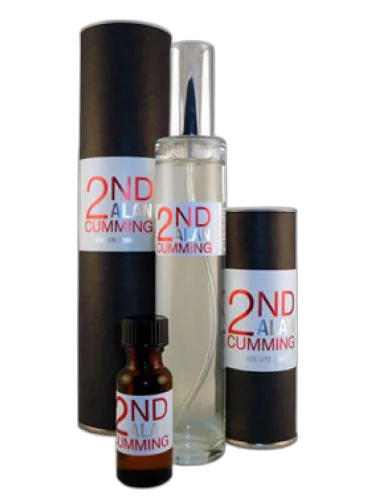
CB I Hate Perfume
2nd Cumming Cb I Hate Perfume
Shared top notes: bergamot, pine, whiskey
RPL
Xvii Patchouli Secret Rpl
Shared top notes: bergamot, black pepper
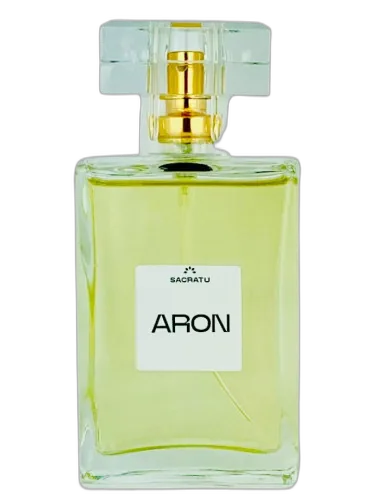
Sacratu
Aron Sacratu
Shared top notes: bergamot, black pepper
Boy Smells
Violet Ends Boy Smells
Shared top notes: bergamot, black pepper
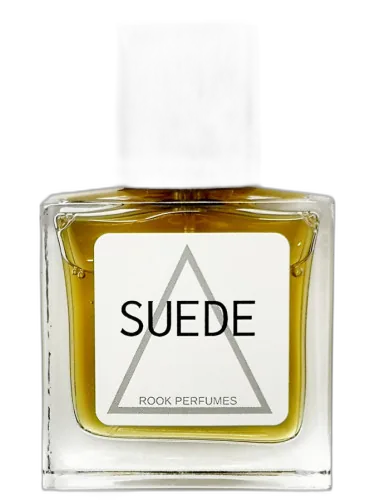
Rook Perfumes
Suede Rook Perfumes
Shared heart notes: tobacco