
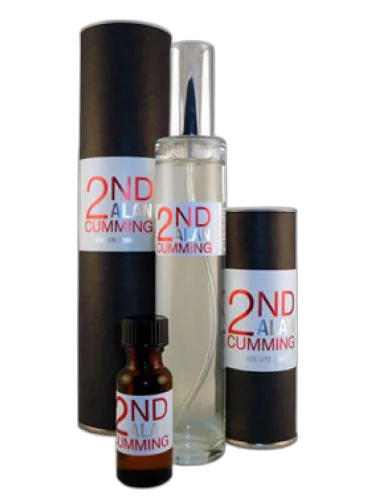
2nd Cumming Cb I Hate Perfume
At a glance
Is 2nd Cumming Cb I Hate Perfume worth trying?
2nd Cumming by CB I Hate Perfume is a Aromatic Fougere fragrance for men.
- Best match
- Evening wear in Fall
- Performance feel
- Good longevity with Moderate sillage
- Signature profile
- woody, earthy, whiskey with Whiskey, Pine, Malt
The first impression
2nd Cumming by CB I Hate Perfume is a Aromatic Fougere fragrance for men. 2nd Cumming was launched in 2010. The nose behind this fragrance is Christopher Brosius. Top notes are Whiskey, Pine, Malt, Pepper and Bergamot; middle notes are Tobacco, Rubber, Fir and heather; base notes are Soil Tincture, Leather, Rubber, Truffle and Peat.
What shapes the scent
The perfumer behind it

Christopher Brosius
Christopher Brosius is an American perfumer and founder of CB I Hate Perfume, known for his unconventional, narrative-driven scents. His portfolio includes fragrances like 2nd Cumming, At the Beach 1966, and Beautiful Launderette, which evoke specific memories and atmospheres. He also created Cumming for actor Alan Cumming, blending personal storytelling with olfactory art.
Notes pyramid
Top Notes
First impression · 15-30 min
 Whiskey
 Pine
Pine
 Malt
Malt
 Pepper
 Bergamot
Heart Notes
Core character · 2-4 hours
 Tobacco
 Rubber
 Fir
Fir
 heather
Base Notes
Lasting impression · 4+ hours
Soil Tincture
 Leather
Rubber
Leather
Rubber
 Truffle
 Peat
Peat
The mood it creates
The Explorer Archetype: Portrait of 2nd Cumming Cb I Hate Perfume
Essence
To wear 2nd Cumming by CB I Hate Perfume is to embrace contradiction-a fragrance that is at once sacred and profane, animalic and ethereal, a scent that refuses to be easily categorized. The person who chooses this fragrance is not one who seeks comfort in the familiar. They are drawn to the raw, the unrefined, the scent of something that lingers between decay and rebirth. This is not a perfume for those who wish to be liked; it is for those who wish to be remembered, even if the memory is unsettling.
Relationships
Their connections are few but intense. They do not suffer fools, nor do they tolerate those who wear masks too comfortably. Their friendships are alliances of mutual defiance, bonds formed in shared disdain for the superficial. Romantic partners must be unafraid of their edges-those who try to soften them will be met with cold withdrawal.
Yet, their strength in resistance can become their weakness. The same refusal to conform that makes them magnetic can isolate them. They mistake cynicism for wisdom, rebellion for freedom. In their shadow, they risk becoming the very thing they despise-a prisoner of their own defiance, so committed to opposition that they lose the capacity for surrender, for tenderness.
Shadow
The Rebel’s greatest flaw is their inability to distinguish between necessary defiance and reflexive contrarianism. They may reject something valuable simply because it is popular, mistaking disdain for discernment. Their pride in being "unlike others" can curdle into solipsism, a belief that their truth is the only truth.
At their worst, they become the iconoclast who destroys without creating, the provocateur who shocks but does not enlighten. They may push away those who truly understand them, fearing that to be known is to be tamed.
Conclusion
At their core, this individual embodies the Rebel-the archetype that defies convention, disrupts norms, and thrives on the friction between societal expectations and personal truth. The Rebel does not seek destruction for its own sake but rather dismantles illusions, exposing the hypocrisy of what is deemed "acceptable." Their disdain for mass-market perfumes mirrors their disdain for mass-market thinking-they reject the idea that beauty must be palatable, that identity must be digestible.
Yet, the Rebel is not without paradox. Their defiance can be a shield as much as a weapon, a way to distance themselves from vulnerability. To smell of smoke, leather, and something faintly bodily is to declare: I will not be sanitized. But beneath this bravado lies a fear-the fear of being absorbed, of losing the sharp edges that define them.
If you like this, try these
Fragrances with a comparable profile - shared accords, notes, and character.
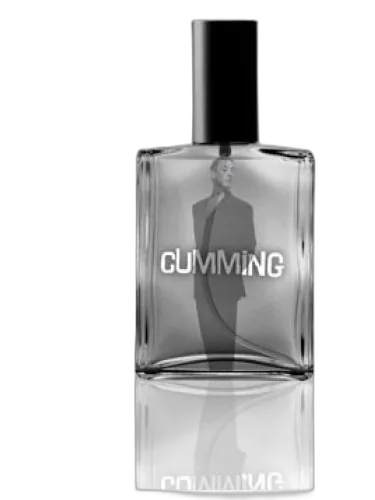
Alan Cumming
Cumming Alan Cumming
Shared top notes: bergamot, pine, whiskey
Parfumane
Woody Blend Parfumane
Shared top notes: bergamot, pepper
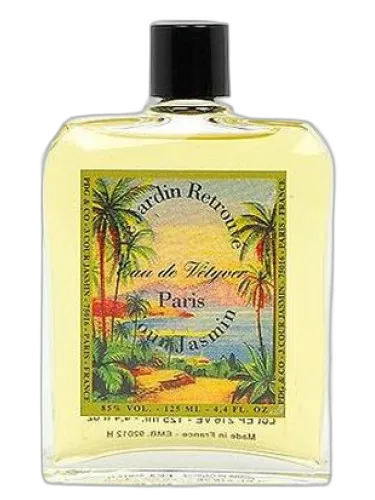
Le Jardin Retrouve
Eau De Vetyver Le Jardin Retrouve
Shared top notes: bergamot

Samy Andraus Fragrances
Precious Thunder Samy Andraus Fragrances
Shared top notes: bergamot, pepper
Caswell Massey
Lx48 Caswell Massey
Shared heart notes: tobacco