
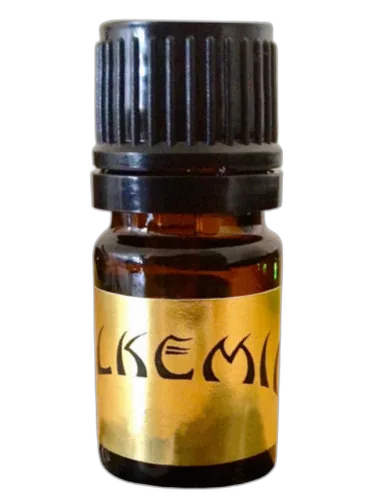

Gothique Alkemia Perfumes
At a glance
Is Gothique Alkemia Perfumes worth trying?
Gothique by Alkemia Perfumes is a fragrance for women and men.
- Best match
- Evening wear in Fall
- Performance feel
- Excellent longevity with Strong sillage
- Signature profile
- amber, sweet, aromatic with Myrrh, Olibanum, Canelé
The first impression
Gothique by Alkemia Perfumes is a fragrance for women and men. Gothique was launched in 2018.
What shapes the scent
The perfumer behind it

Notes pyramid
All Notes
Complete scent profile
 Myrrh
Myrrh
 Olibanum
 Canelé
 Styrax
 Cassia
 Benzoin
Nard Himalayan (Jatamansi)
Benzoin
Nard Himalayan (Jatamansi)
 Atlas Cedar
 Vetiver
 Labdanum
 Liquidambar
The mood it creates
The Gothique Alkemia Enthusias Archetype: Portrait of Gothique Alkemia Perfumes
Essence
The one who wears Gothique Alkemia Perfumes is not merely drawn to scent-they are called by it. Their archetype is the Mystic, a seeker of hidden truths, a wanderer between worlds. The Mystic does not accept the surface of things; they crave the unseen, the whispered, the half-remembered. Their fragrance is an invocation, a spell woven from incense, aged leather, and darkened resins-notes that speak of cathedrals at midnight, of forgotten grimoires, of secrets buried in time.
This is not a person who merely enjoys darkness; they understand it. They do not fear the abyss but converse with it, knowing that shadows are not absence but depth.
Shadow
Light: The Mystic possesses an unshakable intuition, a piercing insight that sees beyond illusions. They are fiercely independent, unswayed by trends or dogma. Their presence is magnetic, drawing others into their gravity with quiet intensity. They are loyal to those who earn their trust, offering wisdom and protection like an ancient guardian spirit.
Shadow: Yet the Mystic risks becoming lost in their own labyrinth. Their pursuit of the hidden can turn into obsession, isolating them from the warmth of human connection. They may grow disdainful of those who do not share their depth, dismissing them as shallow. Their introspection can curdle into melancholy, a self-imposed exile from joy. The very darkness they embrace may, at times, swallow them whole.
Conclusion
Their tastes are deliberate, shaped by an attraction to the liminal-the spaces between waking and dreaming, between sacred and profane. They may collect antique keys, pressed flowers from graveyards, or fragments of poetry written in dead languages. Their bookshelf holds Baudelaire, Borges, and grimoires of ceremonial magic. Music is not mere entertainment but ritual: darkwave, neoclassical, or the slow, mournful drone of a cello.
Their style is an extension of their inner world-structured yet fluid, blending Victorian austerity with modern decay. Black lace, tailored coats, silver jewelry tarnished by time. They do not dress for others but as an act of self-consecration.
Philosophy is not abstract to them but lived. They reject the tyranny of the mundane, seeking instead the numinous in the everyday. They may be drawn to esoteric traditions-alchemy, Gnosticism, or the occult-not as mere aesthetics but as maps of the soul. Their values are rooted in authenticity, in the refusal to wear masks unless they serve a deeper truth.
Relationships are intense but selective. They do not suffer fools, nor do they tolerate superficiality. Their love is a slow-burning flame, demanding depth, loyalty, and a willingness to walk through shadows together. They may be accused of being distant, but their distance is not coldness-it is the space required for reverence.
Their lifestyle is one of deliberate solitude, though not necessarily loneliness. They thrive in dimly lit rooms, in the quiet hours before dawn, in the company of those who understand silence as deeply as speech.
If you like this, try these
Fragrances with a comparable profile - shared accords, notes, and character.
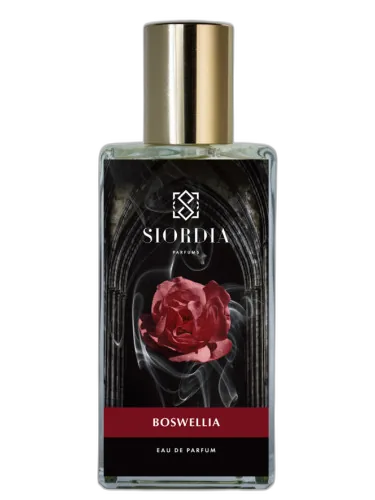
Siordia Parfums
Boswellia Siordia Parfums
Shared top notes: labdanum, myrrh, olibanum
Solstice Scents
Incensum Solstice Scents
Shared top notes: labdanum, myrrh, nard himalayan (jatamansi)
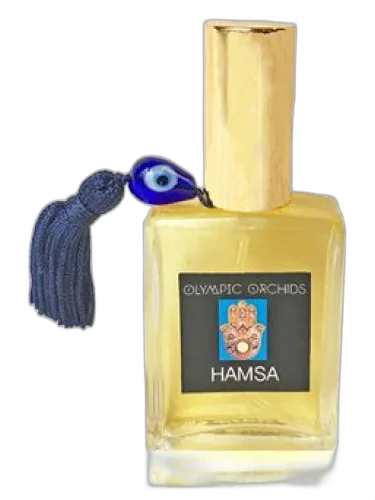
Olympic Orchids Artisan Perfumes
Hamsa Olympic Orchids Artisan Perfumes
Shared top notes: liquidambar, myrrh, olibanum

Body Conjure
01 Sweet Wood Desire Body Conjure
Shared top notes: labdanum, vetiver
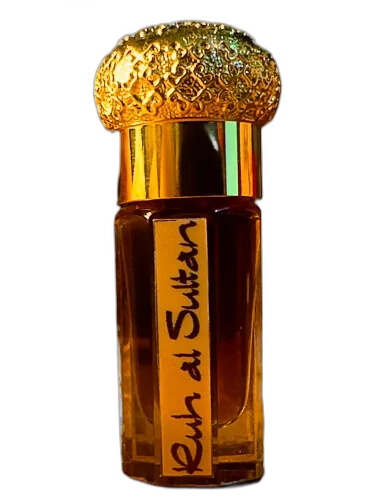
Gaia Parfums
Ruh Al Sultan Gaia Parfums
Shared top notes: vetiver