


Porta Alchemica Alkemia Perfumes
At a glance
Is Porta Alchemica Alkemia Perfumes worth trying?
Porta Alchemica by Alkemia Perfumes is a fragrance for women and men.
- Best match
- Evening wear in Fall
- Performance feel
- Very Good longevity with Moderate sillage
- Signature profile
- fresh spicy, woody, citrus with Cypress, Amber, Orange
The first impression
Porta Alchemica by Alkemia Perfumes is a fragrance for women and men. Porta Alchemica was launched in 2016. The nose behind this fragrance is Sharra Lamoureaux.
What shapes the scent
The perfumer behind it

Sharra Lamoureaux
Sharra Lamoureaux is a perfumer whose work appears under Alkemia Perfumes, with a portfolio that includes evocative names like 1891, A Darkness Burning, and Absinthe And Laudanum In The Afternoon. Their fragrances often explore historical, literary, and darkly romantic themes. Lamoureaux's style is known for its narrative depth and use of unusual, atmospheric accords.
Notes pyramid
All Notes
Complete scent profile
 Cypress
 Amber
Amber
 Orange
 Neroli
 Hay
Hay
 Campari
 Tobacco Leaf
Olive Blossom
Tobacco Leaf
Olive Blossom
 Bay Leaf
 Tonka Bean
 Caramel
 Violet Leaf
 Red Currant
 Patchouli
White Rose
Patchouli
White Rose
The mood it creates
The Alchemist Archetype: Portrait of Porta Alchemica Alkemia Perfumes
Essence
The person who gravitates toward Porta Alchemica by Alkemia Perfumes is, at their core, a modern alchemist-not of metals, but of meaning. Their dominant archetype is The Sage, the seeker of hidden truths, the one who peers beyond the veil of the mundane. Like the ancient mystics who sought transformation through esoteric knowledge, they are drawn to the symbolic, the intellectual, and the enigmatic. Their fragrance-a blend of aged wood, incense, and dark resins-is not merely a scent but a sigil, a whispered incantation that marks them as a traveler between worlds.
Style & Aesthetic
Their wardrobe is a carefully curated grimoire of textures and symbols. Dark, layered fabrics-wool, linen, perhaps a hint of leather-speak of both scholar and wanderer. They favor pieces with history: a vintage coat, a signet ring with an obscure emblem, boots that have traversed cobblestone streets and forest paths alike. Their aesthetic is neither gothic nor bohemian, but something in between-a scholarly mysticism, where every accessory carries intention.
They are drawn to the archaic and the arcane: rare manuscripts, forgotten mythologies, the alchemical marriage of science and spirit. Their bookshelf holds Jung, Borges, and perhaps a well-worn copy of the Emerald Tablet. Their music tastes lean toward the ambient and the ceremonial-ritualistic drones, neoclassical piano, the occasional dark folk ballad. They drink black tea or bitter herbal infusions, savoring the astringency like a metaphor for clarity.
They thrive in liminal spaces-old libraries, candlelit studios, the quiet corners of cities at dusk. Their home is a sanctuary of curiosities: dried botanicals in glass jars, an antique desk strewn with handwritten notes, a single black candle burning at odd hours. They keep irregular sleep patterns, often lost in thought or study until the early morning. Their work, whether artistic or academic, is driven by a need to decode existence, to leave behind some fragment of understanding for those who come after.
Philosophy & Values
To them, life is a grand experiment, a puzzle to be deciphered rather than a path to be blindly followed. They reject dogma but revere wisdom, collecting philosophies like rare books-some to be studied, others to be dismantled. Their values are rooted in curiosity, autonomy, and depth; superficiality is their greatest adversary. They believe in the power of transformation-not just of the self, but of perception itself. Yet, their quest for knowledge can sometimes become a labyrinth, where the search for truth eclipses the act of living.
Relationships
Their relationships are few but profound. They do not suffer fools, nor do they tolerate small talk. Their closest bonds are with those who can match their intellectual intensity-fellow seekers, artists, or philosophers who understand the sacredness of silence. Romance, for them, is a meeting of minds before bodies; they are drawn to partners who can unravel mysteries with them, who see love as a shared pilgrimage rather than a mere comfort. Yet, their detachment can border on coldness; their obsession with the abstract sometimes blinds them to the emotional needs of others.
Shadow
The Sage’s greatest weakness is the paralysis of overanalysis. They can become so consumed by the pursuit of knowledge that they forget to act, to feel, to simply be. Their skepticism, while sharp, can harden into cynicism, dismissing joy as naivety. At their worst, they retreat into isolation, mistaking solitude for wisdom and detachment for enlightenment. Their challenge is to remember that alchemy is not just about transmuting lead into gold-it is also about embracing the weight of the lead itself.
Conclusion
They are both scholar and mystic, skeptic and believer. Porta Alchemica is their emblem because it embodies the tension they live within-the meeting point of earth and ether, intellect and intuition. Their life is a perpetual becoming, a slow distillation of experience into meaning. And though they may never find the philosopher’s stone, the quest itself is their elixir.
If you like this, try these
Fragrances with a comparable profile - shared accords, notes, and character.
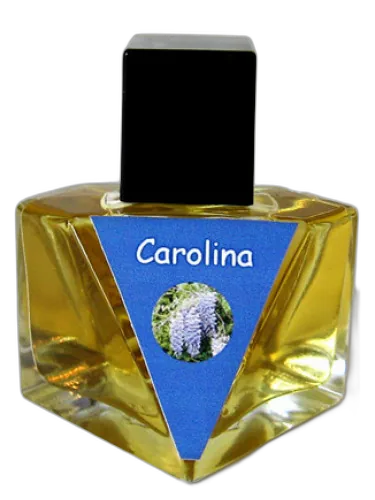
Olympic Orchids Artisan Perfumes
Carolina Olympic Orchids Artisan Perfumes
Shared top notes: hay, tonka bean
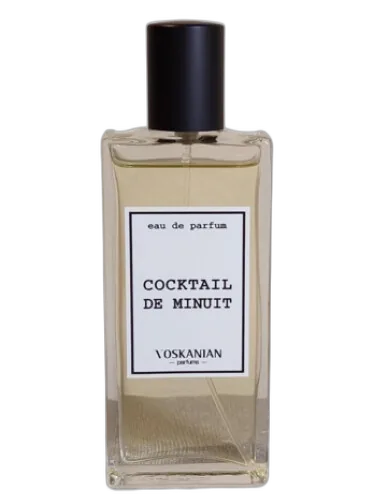
Voskanian Parfums
Cocktail De Minuit Voskanian Parfums
Shared top notes: campari

By Corel Perfumes
Sharing Concept By Corel Perfumes
Shared top notes: orange
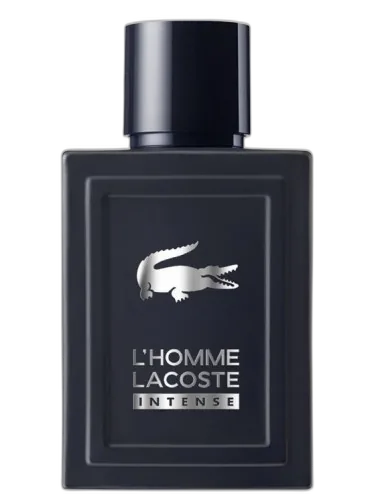
Lacoste Fragrances
L'homme Lacoste Intense Lacoste Fragrances
Shared top notes: orange

The Zoo
Carré Blanc The Zoo
Shared top notes: hay, tonka bean