


Sunset Yoko Almah Parfums 1948
At a glance
Is Sunset Yoko Almah Parfums 1948 worth trying?
Sunset Yoko by Almah Parfums 1948 is a fragrance for women.
- Best match
- Evening wear in Fall
- Performance feel
- Very Good longevity with Moderate sillage
- Signature profile
- warm spicy, green, woody with Green Tea, Cinnamon, Chestnut
The first impression
Sunset Yoko by Almah Parfums 1948 is a fragrance for women. Sunset Yoko was launched in 2019. The nose behind this fragrance is Jordi Magrans. Top notes are Green Tea, Cinnamon, Chestnut and Ginkgo; middle notes are Black Pepper, Lemon Balm, Galbanum and Patchouli; base notes are Myrrh, Cedar, Musk and Vetiver.
What shapes the scent
The perfumer behind it

Jordi Magrans
Jordi Magrans created eight fragrances for Almah Parfums 1948, such as Bella Sicilia, Borneus, Camden Stories, Green Crowne, Halong Heaven, Infinite Love, Itinerantur, and Ivvavik. His perfumes often draw from global inspirations, blending traditional and modern techniques. The collection showcases his ability to craft complex, narrative-driven scents.
Notes pyramid
Top Notes
First impression · 15-30 min
 Green Tea
 Cinnamon
 Chestnut
 Ginkgo
Heart Notes
Core character · 2-4 hours
Black Pepper
 Lemon Balm
 Galbanum
 Patchouli
Base Notes
Lasting impression · 4+ hours
 Myrrh
Myrrh
 Cedar
Cedar
 Musk
Musk
 Vetiver
The mood it creates
The Lover Archetype: Portrait of Sunset Yoko Almah Parfums 1948
Essence
To wear Sunset Yoko by Almah Parfums 1948 is to embrace the intoxicating dance of light and shadow, where warmth and mystery intertwine. This fragrance-rich with amber, vanilla, and a whisper of spice-speaks to a soul who thrives on intensity, beauty, and the pursuit of meaning. The person who cherishes this scent is most closely aligned with the Lover archetype, not in the trivial sense of mere romance, but in the Jungian sense of one who seeks profound connection-to people, to art, to life itself.
This individual moves through the world with an almost magnetic presence, not because they demand attention, but because they exude an authenticity that draws others in. Their tastes are refined yet sensual-they prefer the tactile pleasure of aged leather-bound books, the weight of handcrafted jewelry, the slow burn of a well-aged whiskey. Their style is an extension of their inner world: layered, textured, and deliberate. They might favor deep burgundies, midnight blues, or the warm glow of ochre-colors that evoke both passion and contemplation.
Philosophically, they reject the superficial. They are drawn to thinkers like Nietzsche (but also Rilke and Camus), who grapple with the tension between beauty and suffering. They believe that life’s meaning is found not in answers, but in the depth of the questions one is willing to ask. Their values are rooted in intimacy, authenticity, and aesthetic truth-they despise pretense, yet they are not immune to its occasional lure.
Shadow
Yet, like all archetypes, the Lover has a darker counterpart. Their passion can tip into obsession-whether for a person, an idea, or a fleeting sensation. They are prone to idealization, setting others (or themselves) up for inevitable disappointment. When disillusioned, they may retreat into cynicism, masking their vulnerability with a veneer of detachment.
Their relationship with pleasure is double-edged. They know how to indulge, but they also risk losing themselves in it. A second glass of wine becomes a third; a late-night conversation turns into an existential spiral. They must guard against hedonism as escapism, for they are not merely seekers of pleasure, but of meaning-and the two are not always the same.
Conclusion
Their greatest strength lies in their capacity for emotional richness. They do not merely experience life-they savor it, dissect it, and sometimes mourn its fleeting nature. In relationships, they are fiercely loyal, but only to those who meet them at their level. They do not suffer shallow connections lightly. When they love, they love with abandon, but they are not reckless-they choose their intimates carefully, seeking souls who can match their intensity.
Creativity is their refuge. They might write poetry in the margins of their notebooks, lose themselves in jazz records, or spend hours wandering art galleries, absorbing the silent conversations between brushstrokes. They are not afraid of melancholy; they see it as a companion rather than an enemy.
If you like this, try these
Fragrances with a comparable profile - shared accords, notes, and character.

Tessa Williams
Earth Tessa Williams
Shared heart notes: patchouli

Liz Claiborne
Curve Chill Liz Claiborne
Shared top notes: green tea
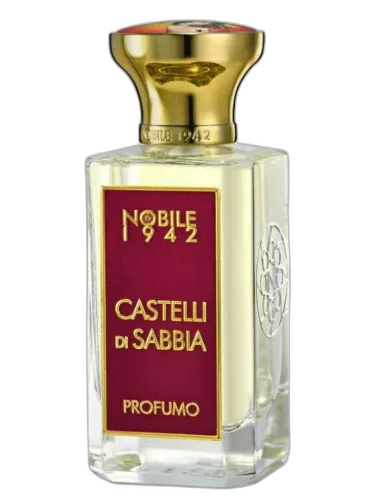
Nobile 1942
Castelli Di Sabbia Nobile 1942
Shared heart notes: black pepper
Daniel Josier
Vetiver Daniel Josier
Shared heart notes: patchouli
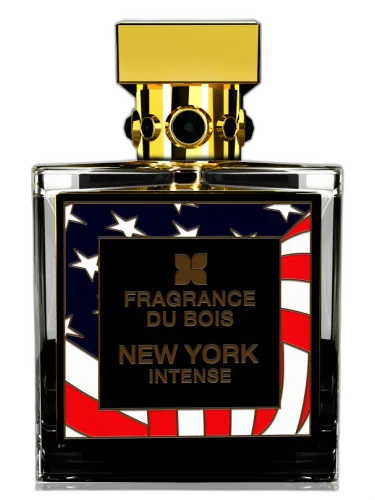
Fragrance Du Bois
New York Intense Fragrance Du Bois
Shared top notes: cinnamon