
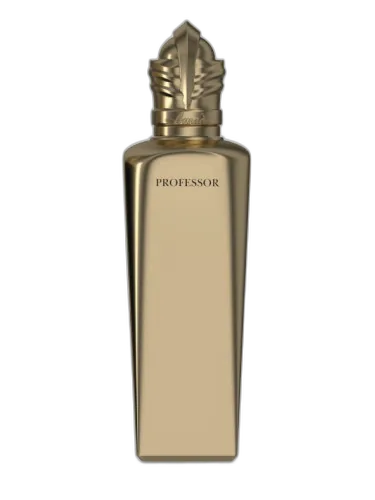
Professor Amado
At a glance
Is Professor Amado worth trying?
Professor by Amado is a fragrance for women and men.
- Best match
- Evening wear in Fall, Winter
- Performance feel
- Very Good longevity with Strong sillage
- Signature profile
- woody, warm spicy, citrus with Bergamot, Ginger, Mandarin Orange
The first impression
Professor by Amado is a fragrance for women and men. This is a new fragrance. Professor was launched in 2023. The nose behind this fragrance is Christian Provenzano. Top notes are Bergamot, Ginger, Mandarin Orange, Black Currant and Saffron; middle notes are Magnolia, Moroccan Rose, Bulgarian Rose and Cashmere Wood; base notes are Sandalwood, Patchouli, Castoreum, Oakmoss, Vetiver, Amber, Tonka and Musk.
What shapes the scent
The perfumer behind it

Christian Provenzano
Christian Provenzano is a perfumer who has contributed to several Agent Provocateur fragrances, including the original Agent Provocateur, Maitresse, and Ménage À Trois. He also created Ambra Guaiac for Alysonoldoini and Diamond Dust Edition for Agent Provocateur. His work often features bold, sensual accords.
Notes pyramid
Top Notes
First impression · 15-30 min
 Bergamot
 Ginger
 Mandarin Orange
 Black Currant
 Saffron
Heart Notes
Core character · 2-4 hours
 Magnolia
 Moroccan Rose
Bulgarian Rose
Cashmere Wood
Moroccan Rose
Bulgarian Rose
Cashmere Wood
Base Notes
Lasting impression · 4+ hours
 Sandalwood
 Patchouli
 Castoreum
 Oakmoss
 Vetiver
 Amber
Tonka
Amber
Tonka
 Musk
Musk
The mood it creates
The Sage Archetype: Portrait of Professor Amado
Essence
To wear Professor Amado is to declare oneself a seeker of hidden truths, a connoisseur of the intellect, and a curator of refined experiences. The fragrance-complex, layered, with an air of quiet authority-mirrors the soul of one who embodies the Sage archetype. This is a person who values knowledge not as mere accumulation, but as a means of understanding the deeper currents of existence. They are drawn to the interplay of wisdom and mystery, much like the scent itself-an olfactory puzzle to be deciphered rather than passively enjoyed.
Their mind is a labyrinth of ideas, theories, and connections, always probing beneath the surface. They do not accept dogma easily; skepticism is their default mode. Yet, unlike the cynic, they retain a guarded optimism-a belief that truth, though elusive, is worth pursuing.
Relationships
Their social circle is small but intense. They do not suffer fools gladly, yet they are fiercely loyal to those who engage them on an intellectual level. Conversations with them are not small talk but expeditions-discussions of metaphysics over whiskey, debates about art and meaning late into the night.
Romantically, they are drawn to partners who are equally independent-minded, who can spar with them intellectually without needing constant validation. Their love is not possessive but curious-they want to unravel their partner’s mind as much as their heart. Yet, this very quality can make them emotionally distant, retreating into thought when feeling becomes too messy.
Shadow
The Sage’s greatest strength-their relentless pursuit of truth-can also be their undoing. Their skepticism, if unchecked, can harden into cynicism, making them dismissive of simpler joys or emotional truths they deem "irrational." Their love of solitude, while nourishing, can become isolation, cutting them off from the warmth of human connection.
Worse still, their intellect can curdle into arrogance. They may grow impatient with those who do not share their depth of thought, secretly (or not so secretly) believing themselves superior. This intellectual pride is their most dangerous flaw-a blind spot that can render them emotionally sterile, mistaking detachment for wisdom.
Conclusion
Their tastes are deliberate, refined, but never ostentatious. They prefer understatement over spectacle, finding beauty in precision rather than excess. Their wardrobe leans toward timeless cuts-structured blazers, well-tailored trousers, perhaps a vintage watch-each piece chosen for its craftsmanship rather than trends. They might collect rare books, obscure vinyl records, or antique scientific instruments, not as trophies, but as artifacts of human thought.
Philosophically, they are drawn to thinkers who challenge convention: Nietzsche, Jung, perhaps even the Stoics or Eastern mystics. They do not merely read; they interrogate texts, scribbling marginalia, underlining contradictions, testing ideas against lived experience. Their worldview is not rigid but fluid-a work in progress, always subject to revision.
If you like this, try these
Fragrances with a comparable profile - shared accords, notes, and character.
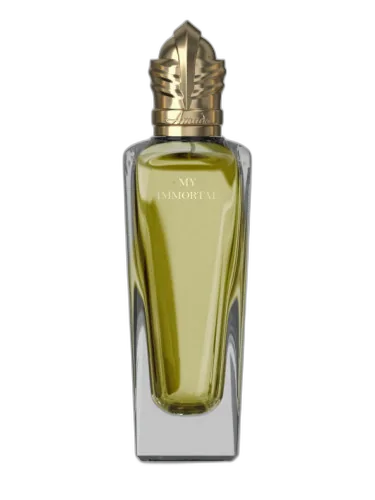
Amado
My Immortal Amado
Shared top notes: bergamot, ginger, mandarin orange

Anfas
Salam Anfas
Shared top notes: bergamot, mandarin orange
Anat Fritz
Tzora 2020 Limited Edition Anat Fritz
Shared top notes: bergamot
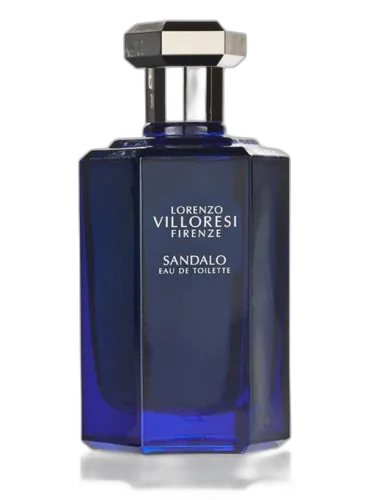
Lorenzo Villoresi
Sandalo Lorenzo Villoresi
Shared heart notes: bulgarian rose
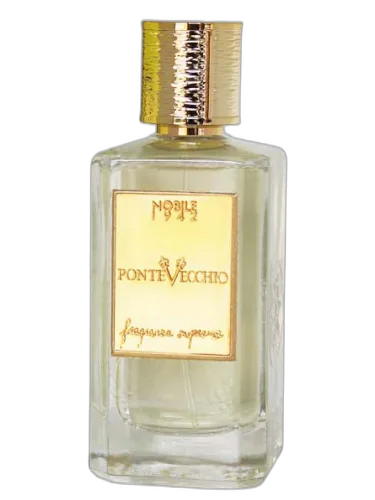
Nobile 1942
Pontevecchio Nobile 1942
Shared top notes: bergamot, mandarin orange