
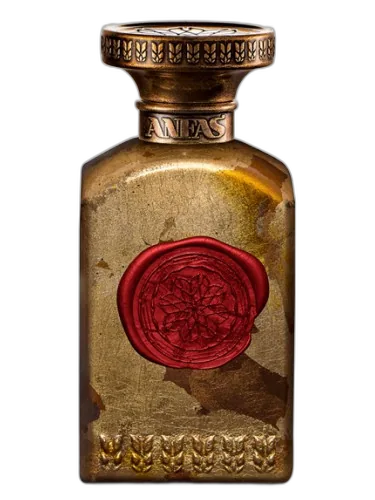
Ishq Anfas
Fragrance Story
Ishq by Anfas is a Floral Fruity fragrance for women and men. Ishq was launched in 2019. Ishq was created by Christian Carbonnel and Asim Al Qassim. Top notes are Saffron and Jasmine; middle notes are Raspberry and Amber; base notes are Talc and Oakmoss.
Composition Profile
About the Perfumer

Asim Al Qassim
Asim Al Qassim is a perfumer known for his work with the house of Anfas, where he has crafted a distinctive style rooted in rich, traditional Middle Eastern ingredients. His compositions often center on luxurious notes like oud, saffron, and amber, creating deep, opulent scents that balance intensity with elegance. Representative creations from the Anfas line include El Oud Anfas, El Zafran Anfas, and Ishq Anfas, each showcasing his skill in blending classic resinous and spicy accords.
Fragrance Notes
Top Notes
First impression · 15-30 min
 Saffron
 Jasmine
Heart Notes
Core character · 2-4 hours
 Raspberry
 Amber
Amber
Base Notes
Lasting impression · 4+ hours
 Talc
Talc
 Oakmoss
Ishq Anfas by Anfas offers a distinctive olfactory experience that stands out from other fragrances in its category.
Crafted with the finest ingredients and a blend of traditional and modern perfumery techniques, this fragrance represents the pinnacle of the perfumer's art.
Ishq Anfas embodies the distinctive style of Anfas while adding a unique chapter to their fragrance portfolio.
Character Profile
The Lover Archetype: Portrait of Ishq Anfas
Essence
The person who chooses Ishq Anfas as their signature fragrance is ruled by The Lover archetype-an embodiment of passion, sensuality, and deep emotional engagement with the world. This is not mere romanticism, but a fundamental way of being: they seek intensity in all things, from beauty to suffering, from pleasure to longing. The Lover does not merely exist; they consume and are consumed by experience.
Yet, like all archetypes, The Lover has a shadow-one of obsession, indulgence, and a tendency to lose themselves in the pursuit of ecstasy. Their greatest strength is their capacity for depth; their greatest weakness is their refusal to remain untouched by anything.
Style & Aesthetic
They live vividly, often unconventionally. Routine suffocates them; they thrive on spontaneity, midnight drives, impulsive trips to places where the air smells of spices and salt. Their career, if traditional, is merely a vessel-what truly sustains them is art, music, or some form of creation that allows them to pour their emotions into the world.
But their hunger for experience can tip into excess. They may chase pleasure to the point of self-destruction, mistaking sensation for meaning. The shadow whispers: More. Deeper. Further.-until they risk losing themselves in the pursuit of feeling.
Philosophy & Values
Their philosophy is one of radical presence-they believe in the holiness of the senses, the divinity of desire. To them, love is not just an emotion but a force, a kind of alchemy that transforms the mundane into the extraordinary. They might quote Hafiz: "The words you speak become the house you live in."
Yet, this intensity can make them impatient with those who live superficially. They despise small talk, half-hearted commitments, and emotional detachment. Their values are rooted in authenticity, but their demand for depth can alienate those who cannot meet them at their level.
Relationships
In love, they are both the flame and the moth. They do not love cautiously; they love recklessly, with a devotion that borders on worship. Their relationships are marked by an almost mythic quality-grand gestures, whispered confessions, storms of passion. But this very fervor can become their undoing.
Their shadow emerges when love turns possessive, when desire curdles into need. They may mistake intensity for intimacy, conflating drama with true connection. When disappointed, they do not retreat quietly; they burn, then smolder, nursing wounds like sacred relics.
Conclusion
Their tastes are rich, layered, and unapologetically opulent. They are drawn to textures that beg to be touched-velvet, silk, aged leather-and colors that pulse with life: deep burgundy, midnight blue, gold that glows like embers. Their home is a sanctuary of sensory indulgence: incense curling in the air, Persian rugs underfoot, shelves lined with poetry and philosophy. They do not merely read Rumi or Neruda; they feel them in their bones.
In music, they favor the melancholic swell of a cello, the raw ache of a blues singer, the hypnotic rhythm of Sufi qawwali. They do not listen passively; they surrender to it, as if the notes could dissolve the boundary between body and soul.
Similar Fragrances
Fragrances with a comparable profile - shared accords, notes, and character.
Anfas
Ishq Anfas
Shared accords: amber, fruity, leather
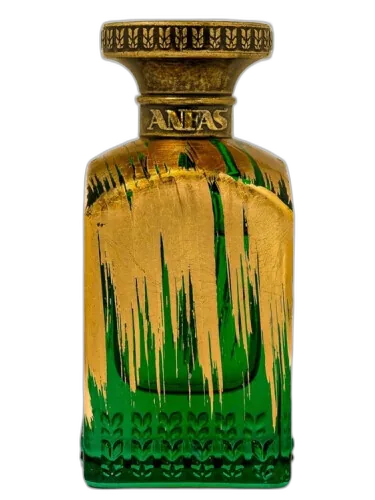
Anfas
Dari Exclusively For Zhor Anfas
Shared accords: amber, fruity, leather
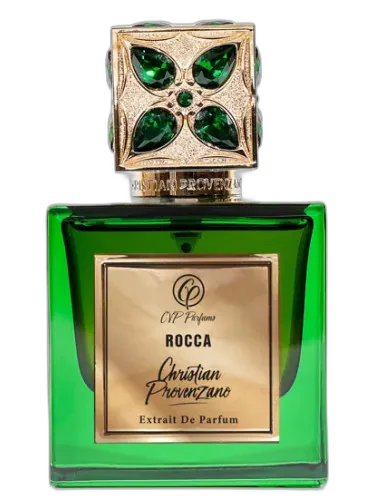
Christian Provenzano Parfums
Rocca Extrait De Parfum Christian Provenzano Parfums
Shared accords: amber, fruity, metallic

Cosmogony
Сleopatra's Eye Nebula Cosmogony
Shared accords: amber, fruity, powdery
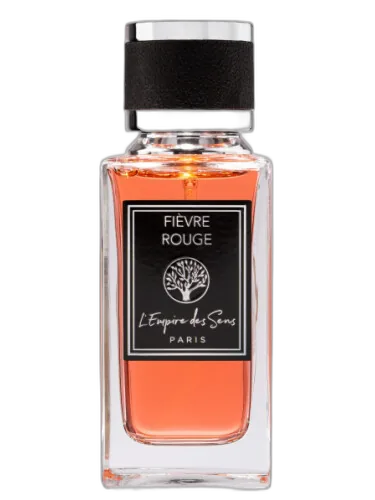
L'Empire des Sens
Fièvre Rouge L'empire Des Sens
Shared accords: amber, leather, metallic