
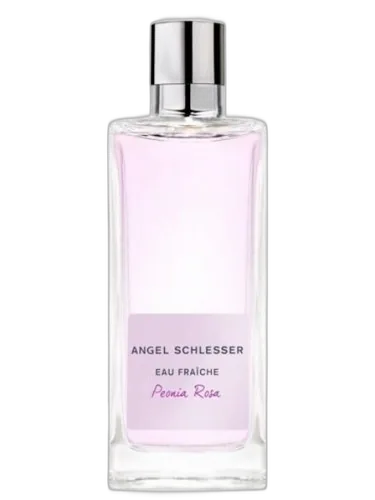

Eau Fraiche Peonia Rose Angel Schlesser
At a glance
Is Eau Fraiche Peonia Rose Angel Schlesser worth trying?
Eau Fraiche Peonia Rose by Angel Schlesser is a Floral Woody Musk fragrance for women.
- Best match
- Casual wear in Spring
- Performance feel
- Moderate longevity with Moderate sillage
- Signature profile
- floral, rose, citrus with Bergamot, Mandarin Orange, Rose
The first impression
Eau Fraiche Peonia Rose by Angel Schlesser is a Floral Woody Musk fragrance for women. Eau Fraiche Peonia Rose was launched in 2017. The nose behind this fragrance is Ramon Monegal. Top notes are Bergamot and Mandarin Orange; middle notes are Rose, Peony and Jasmine; base notes are Musk, Jacaranda and Cedar.
What shapes the scent
The perfumer behind it

Ramon Monegal
Ramon Monegal is a Spanish perfumer from a family with a long history in the fragrance industry. He is the founder of the Monegal perfume house and has created numerous compositions for Adolfo Dominguez. His work often features fresh, woody, and citrus accords, as seen in the extensive Agua de Bambu and Agua Fresca lines, which emphasize natural and vibrant scents.
Notes pyramid
Top Notes
First impression · 15-30 min
 Bergamot
 Mandarin Orange
Heart Notes
Core character · 2-4 hours
 Rose
Rose
 Peony
Peony
 Jasmine
Base Notes
Lasting impression · 4+ hours
 Musk
Musk
 Jacaranda
 Cedar
Cedar
The mood it creates
The Lover Archetype: Portrait of Eau Fraiche Peonia Rose Angel Schlesser
Essence
This person is drawn to Eau Fraiche Peonia Rose Angel Schlesser because it embodies a paradox-delicate yet enduring, soft yet assertive. The fragrance is a dance of peony and rose, fresh but never fleeting, suggesting a soul that thrives on beauty without surrendering to fragility. They are the Lover archetype, one who seeks harmony, pleasure, and deep emotional connection. Their presence is magnetic, not through force, but through an effortless allure-a quiet confidence in their own aesthetic and emotional intelligence.
They are not merely a passive admirer of beauty; they are an active participant in its creation. Their life is a curated experience, where every detail-from the texture of their clothing to the scent they wear-is chosen with intention. This is not vanity, but a philosophy: beauty is not frivolous, but a necessity, a way to elevate the mundane into something transcendent.
Style & Aesthetic
Their tastes are refined but never ostentatious. They prefer understatement to excess, finding elegance in simplicity. Their wardrobe leans toward flowing fabrics, soft hues, and timeless cuts-nothing garish, nothing fleeting. They might favor a silk blouse over sequins, a well-tailored coat over loud patterns. Their home is a sanctuary: warm lighting, fresh flowers, perhaps a carefully selected piece of art that speaks to them on a visceral level.
Philosophically, they believe in the power of sensation as meaning. A perfectly brewed cup of tea, the scent of rain on pavement, the way sunlight filters through leaves-these are not just pleasant distractions, but essential truths. They reject the notion that life must be harsh to be meaningful. For them, joy is just as profound as suffering.
Relationships
They do not love lightly. Their relationships are deep, textured, sometimes overwhelming in their intensity. They are drawn to people who appreciate nuance, who understand that love is not just spoken but felt-through touch, through shared silence, through the unspoken language of gestures.
Yet, their shadow lurks here. The Lover’s greatest fear is indifference, and so they may cling too tightly, suffocate with devotion, or mistake passion for permanence. They might idealize partners, only to feel disillusioned when reality fails to match their fantasy. Their flaw is not malice, but an excess of feeling-a refusal to accept that love, like all things, is imperfect.
Shadow
For all their grace, they are not immune to self-deception. Their pursuit of beauty can become escapism-a refusal to engage with life’s harsher edges. They may avoid conflict, smoothing over disagreements with charm rather than confronting them. At worst, they become aesthetic hedonists, mistaking pleasure for purpose, surrounding themselves with lovely distractions to avoid deeper existential questions.
They may also struggle with passive aggression, expressing dissatisfaction through sighs, subtle withdrawals, or unspoken expectations. Their elegance can become a mask, hiding vulnerability behind a composed façade.
Conclusion
Despite their shadows, they are not shallow. Their love of beauty is not mere decoration, but a way of resisting the mundane brutality of existence. They remind others that life is not just endured but savored. Their greatest strength is their ability to make the ordinary feel sacred-a shared meal, a lingering touch, the way light falls across a room at dusk.
They are not naive, but they choose to believe in tenderness anyway. And in a world that often rewards hardness, that is its own kind of rebellion.
If you like this, try these
Fragrances with a comparable profile - shared accords, notes, and character.
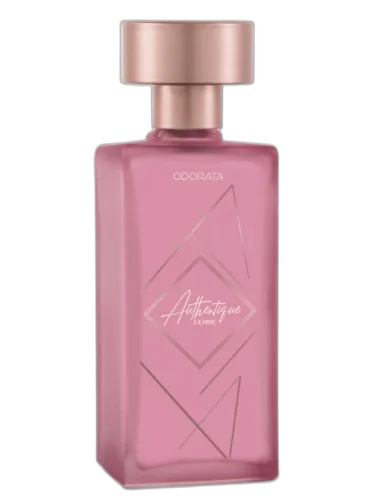
Odorata
Authentique Femme Odorata
Shared top notes: bergamot, mandarin orange

Avatim
Amaú Avatim
Shared top notes: bergamot, mandarin orange
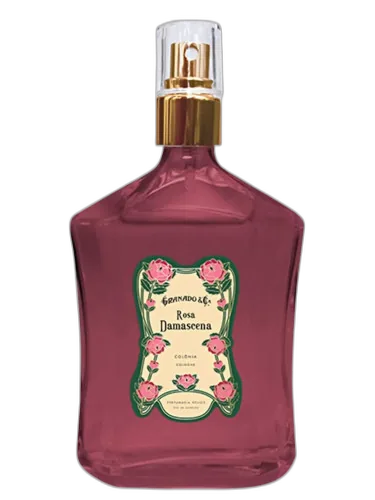
Granado
Rosa Damascena Granado
Shared top notes: bergamot, mandarin orange
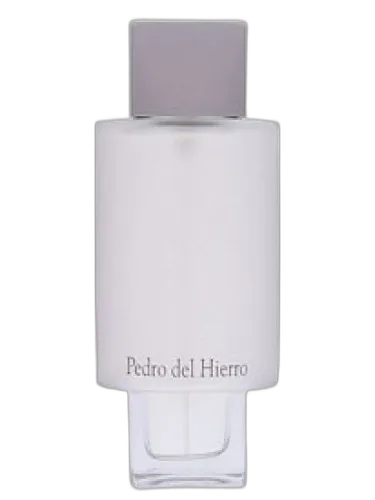
Pedro Del Hierro
Pedro Del Hierro Pedro Del Hierro
Shared top notes: bergamot, mandarin orange
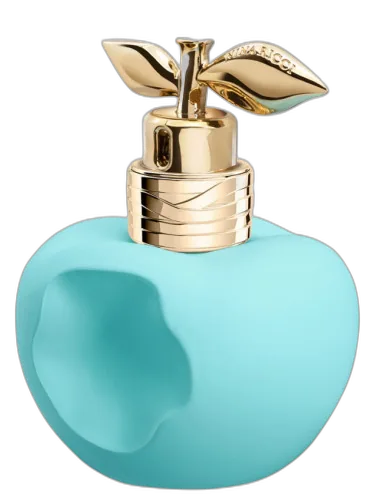
Nina Ricci
Les Sorbets De Luna Nina Ricci
Shared top notes: bergamot