
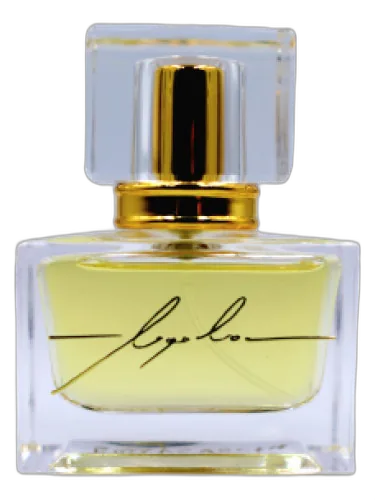

Eau De Vertu Angelos Créations Olfactives
Fragrance Story
Eau De Vertu by Angelos Créations Olfactives is a fragrance for women and men. Eau De Vertu was launched in 2018. The nose behind this fragrance is Angelos Balamis. Top notes are Galbanum, Ginger, Clary Sage and Rose Petals; middle notes are Mimosa absolute, Lily-of-the-Valley, Tuberose, Heliotrope and Jasmine; base notes are Mineral notes, Oakmoss, Hinoki Wood and Musk.
Composition Profile
About the Perfumer

Angelos Balamis
Angelos Balamis is a Greek perfumer and the founder of Angelos Créations Olfactives, a niche fragrance house known for its artistic and evocative compositions. His creative signature blends classical French perfumery with Mediterranean and Oriental influences, often featuring rich leathers, lush fruits, and aromatic fougère structures. Notable creations from his catalog include the floral-leather Cuir Fleurissant, the fig-centered Figue De Vertu, and the spicy, sensual Danse Lascive, each reflecting his commitment to narrative-driven scent design.
Fragrance Notes
Top Notes
First impression · 15-30 min
 Galbanum
 Ginger
 Clary Sage
 Rose Petals
Heart Notes
Core character · 2-4 hours
Mimosa absolute
 Lily-of-the-Valley
 Tuberose
 Heliotrope
 Jasmine
Base Notes
Lasting impression · 4+ hours
Mineral notes
 Oakmoss
 Hinoki Wood
 Musk
Musk
Eau De Vertu Angelos Créations Olfactives by Angelos Créations Olfactives offers a distinctive olfactory experience that stands out from other fragrances in its category.
Crafted with the finest ingredients and a blend of traditional and modern perfumery techniques, this fragrance represents the pinnacle of the perfumer's art.
Eau De Vertu Angelos Créations Olfactives embodies the distinctive style of Angelos Créations Olfactives while adding a unique chapter to their fragrance portfolio.
Character Profile
The Lover Archetype: Portrait of Eau De Vertu Angelos Créations Olfactives
Essence
The Archetype: The Sage
The one who chooses Eau De Vertu by Angelos Créations Olfactives is not merely drawn to a fragrance-they are drawn to an idea. The scent, with its blend of crisp green notes, subtle spice, and an undercurrent of something timeless, reflects a mind that seeks wisdom, clarity, and refinement. This person is most closely aligned with the Sage archetype, the seeker of truth, the one who values knowledge not as mere accumulation, but as a means of deeper understanding.
Yet the Sage is not merely an intellectual-they are a sensualist of the mind. They do not dissect life coldly; they savor it, turning experience into insight. Eau De Vertu is their companion in this pursuit: neither ostentatious nor fleeting, but layered, deliberate, and quietly profound.
Style & Aesthetic
Their appearance is an extension of their mind: considered, but never contrived. They favor clean lines, natural textures, and muted tones-nothing garish, nothing excessive. Their wardrobe is curated, not cluttered; each piece serves a purpose, whether functional or symbolic.
They appreciate craftsmanship, the subtle artistry in a well-made object. A book’s binding, the weight of paper, the way light plays on a ceramic glaze-these are pleasures they savor. Yet this refinement can tip into fastidiousness, a disdain for anything they deem vulgar or inelegant. Their shadow whispers that they are superior, that most people lack their discernment.
Their days are structured but not rigid. They rise early, savoring the quiet hours for reading, writing, or contemplation. They may practice meditation or journaling, rituals that ground them in the present. They prefer slow pleasures-brewing tea with care, walking without destination, losing themselves in music that demands attention.
Yet their love of solitude can become escapism. They may retreat from the messiness of life, preferring the purity of ideas to the chaos of lived experience. Their challenge is to engage with the world, not merely observe it.
Philosophy & Values
To them, life is a text to be read closely, a composition where every detail holds meaning. They are drawn to philosophies that prize balance-Stoicism, perhaps, or Zen-but they are not dogmatic. Truth, for them, is not a fixed doctrine but an evolving dialogue. They value discernment above all else, the ability to see nuance where others see only binaries.
Their morality is not rigid but adaptive-they believe in principles, not rules. They detest hypocrisy but are patient with human frailty, for they understand that wisdom is often born of error. Yet this very adaptability can become a shadow: their reluctance to take a firm stance may be mistaken for indifference, or worse, cowardice.
Relationships
They are not gregarious, but neither are they reclusive. Their friendships are few but deep, built on mutual respect and intellectual kinship. They do not suffer fools gladly, but they are not cruel-merely selective. In love, they seek a partner who is both ally and equal, someone who challenges them without confrontation.
Yet their detachment can be isolating. They may withdraw into their own mind, mistaking solitude for wisdom. Their shadow fears vulnerability, disguising it as self-sufficiency. They must learn that wisdom without warmth is sterile.
Similar Fragrances
Fragrances with a comparable profile - shared accords, notes, and character.

Giorgio Armani
Onde Extase Giorgio Armani
Shared accords: aromatic, floral, green

Estée Lauder
Beautiful Estée Lauder
Shared accords: aromatic, floral, green

Alkemia Perfumes
Antares Alkemia Perfumes
Shared accords: aromatic, floral, green

Dzintars
Jūrmala 5 Dzintars
Shared accords: aromatic, floral, green

Givenchy
Amarige D'amour Givenchy
Shared accords: aromatic, floral, green