
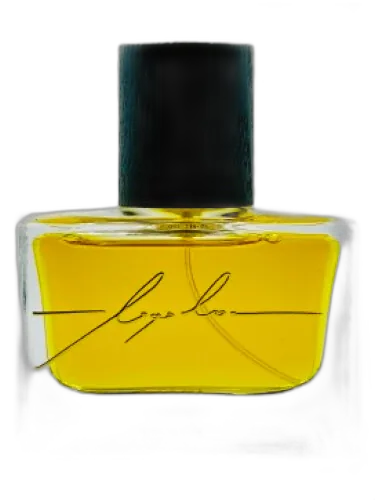
Pnoi (πνοή) Angelos Créations Olfactives
Fragrance Story
Pnoi (Πνοή) by Angelos Créations Olfactives is a fragrance for women and men. This is a new fragrance. Pnoi (Πνοή) was launched in 2024. The nose behind this fragrance is Angelos Balamis. Top notes are Violet Leaves, Tunisian Neroli, Green Notes, Hedione, Calabrian bergamot and Petitgrain; middle notes are Hay, Violet, Mimosa, Star Anise, Carnation, Orris, Lily of the Valley, Damask Rose, Styrax and Egyptian and Indian Jasmine; base notes are Birch, Mousse de Saxe, Animal notes, Woody Notes, Leather, Castoreum, Yellow Narcissus, Indian Sandalwood, Musk, Beeswax, Labdanum, Benzoin, Honey and Balsam Fir.
Composition Profile
About the Perfumer

Angelos Balamis
Angelos Balamis is a Greek perfumer and the founder of Angelos Créations Olfactives, a niche fragrance house known for its artistic and evocative compositions. His creative signature blends classical French perfumery with Mediterranean and Oriental influences, often featuring rich leathers, lush fruits, and aromatic fougère structures. Notable creations from his catalog include the floral-leather Cuir Fleurissant, the fig-centered Figue De Vertu, and the spicy, sensual Danse Lascive, each reflecting his commitment to narrative-driven scent design.
Fragrance Notes
Top Notes
First impression · 15-30 min
 Violet Leaves
Tunisian Neroli
Violet Leaves
Tunisian Neroli
 Green Notes
 Hedione
Calabrian bergamot
Hedione
Calabrian bergamot
 Petitgrain
Heart Notes
Core character · 2-4 hours
 Hay
Hay
 Violet
 Mimosa
 Star Anise
 Carnation
Orris
Lily of the Valley
Damask Rose
Carnation
Orris
Lily of the Valley
Damask Rose
 Styrax
Egyptian and Indian Jasmine
Styrax
Egyptian and Indian Jasmine
Base Notes
Lasting impression · 4+ hours
 Birch
Birch
 Mousse de Saxe
 Animal notes
 Woody Notes
 Leather
 Castoreum
Yellow Narcissus
Castoreum
Yellow Narcissus
 Indian Sandalwood
 Musk
Musk
 Beeswax
 Labdanum
 Benzoin
 Honey
Honey
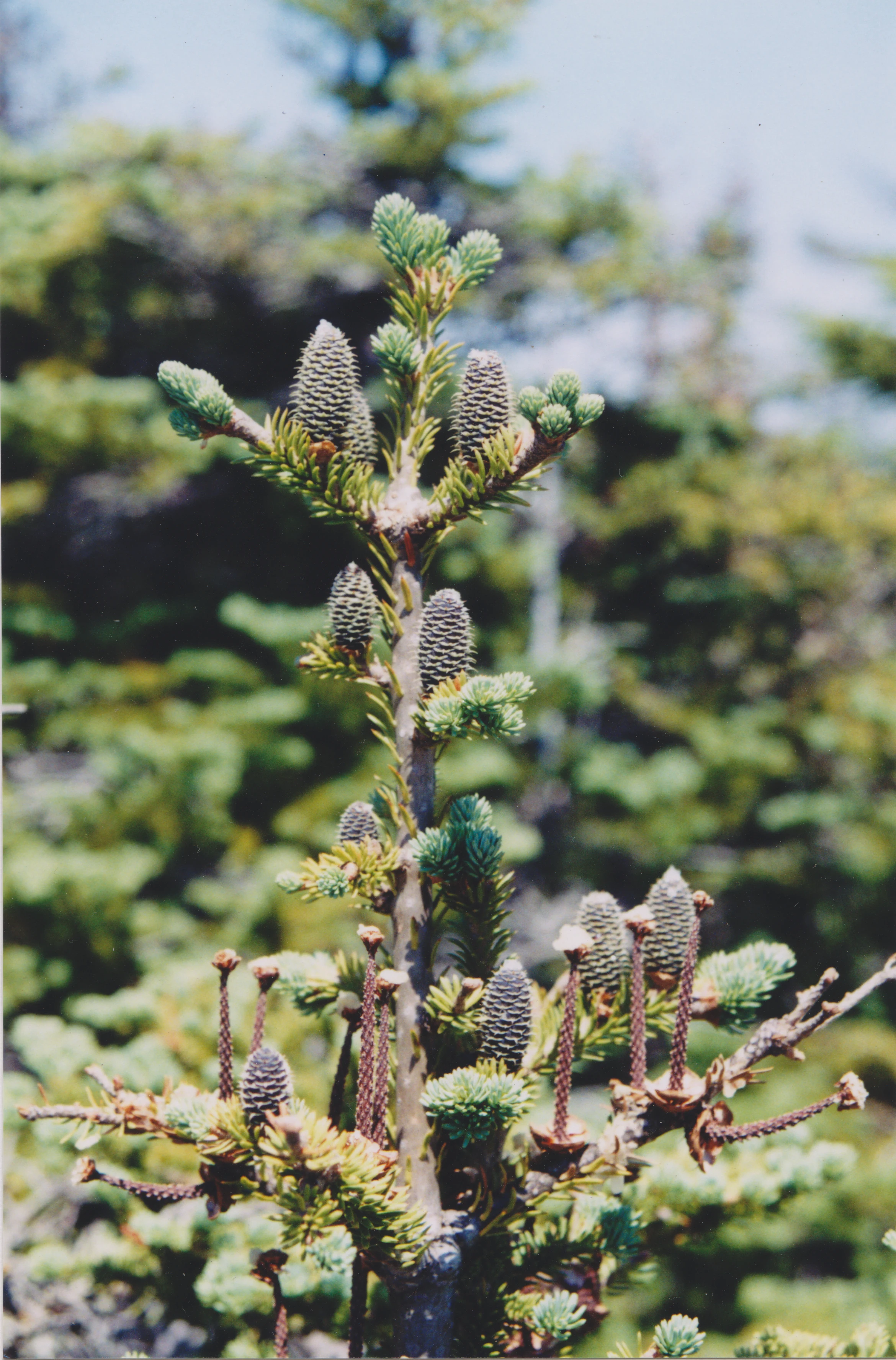 Balsam Fir
Character Profile
The Seeker Archetype: Portrait of Pnoi (πνοή) Angelos Créations Olfactives
Essence
To wear Pnoi (πνοή) by Angelos Créations Olfactives is to embrace an olfactory paradox-a fragrance that is both ethereal and grounding, a whisper of incense and myrrh wrapped in the warmth of amber. The person who chooses this scent is not one for the obvious or the loud; they are drawn to the liminal, the spaces between certainty and mystery. Their soul resonates with the Seeker archetype, the eternal wanderer in search of meaning, depth, and transcendence.
This individual lives with an insatiable curiosity, a hunger for experiences that expand the boundaries of the self. They are not content with surface-level pleasures; they crave the profound, the symbolic, the numinous. Their tastes reflect this-books on mysticism, art that disturbs as much as it enchants, music that evokes both melancholy and ecstasy. Their style is deliberate but never ostentatious: layered textures, muted earth tones, perhaps a single piece of jewelry with personal significance. They prefer the weight of authenticity over the glitter of trend.
Philosophically, they are drawn to existential questions-Why are we here? What is the nature of truth? How does one live meaningfully? They may flirt with Eastern philosophies, esoteric traditions, or deep ecology, but they resist dogma. Their spirituality is fluid, more about the journey than the destination.
Relationships
In relationships, the Seeker is both magnetic and elusive. They attract others with their depth, their ability to listen and reflect, their refusal to engage in trivialities. Yet they also struggle with commitment-not out of fear, but because they fear stagnation. They crave connection but resist being confined. Their love is intense but intermittent, like the flicker of candlelight in a vast cathedral.
They are drawn to those who challenge them, who mirror their own restlessness. Superficial friendships wither quickly in their presence; they demand authenticity, even if it means solitude. Their closest bonds are with fellow travelers-those who understand that love, like Pnoi, is not about possession but presence.
Shadow
Yet every archetype has its shadow, and the Seeker’s is the danger of never arriving. Their relentless pursuit of the next revelation can become a form of avoidance-an escape from the mundane responsibilities of life. They may romanticize their own dissatisfaction, mistaking depth for despair. At their worst, they become the eternal outsider, too detached to engage fully with the world, too critical to appreciate simple joys.
Their flaw is not in their yearning but in their refusal to sometimes stay. They may neglect the beauty of rootedness, the wisdom of repetition, the grace of ordinary moments. The incense of Pnoi is sublime, but life also requires the scent of bread baking, of rain on pavement.
Conclusion
The Seeker who wears Pnoi is neither fully here nor there-they are in transit, always. Their home is not a place but a state of mind, furnished with books, incense, and the quiet hum of contemplation. They work not for status but for sustenance, choosing vocations that allow freedom-writing, healing arts, academia, or perhaps a trade that leaves the mind unshackled.
They are not without contradictions: they disdain materialism yet may covet a perfectly crafted notebook or a rare vinyl record. They preach detachment yet ache for deep connection. They are, in the end, human-flawed, striving, luminous in their imperfection.
Pnoi is their scent because it mirrors their essence: a breath (πνοή) that is both fleeting and eternal, a reminder that the search itself is the destination.
Similar Fragrances
Fragrances with a comparable profile - shared accords, notes, and character.
Angelos Créations Olfactives
Pnoi (πνοή) Angelos Créations Olfactives
Shared accords: animalic, floral, fresh spicy
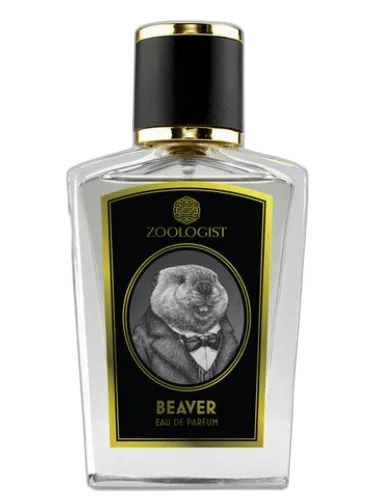
Zoologist Perfumes
Beaver Edition 2016 Zoologist Perfumes
Shared accords: animalic, green, leather
Северное сияние
Душистый Табак (sweet Tobacco) Северное Сияние
Shared accords: animalic, floral, green
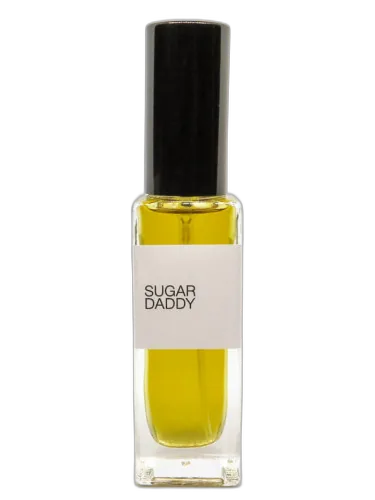
Partisan Parfums
Sugar Daddy Partisan Parfums
Shared accords: animalic, fresh spicy, leather

Versatile Paris
Accrodisiaque Versatile Paris
Shared accords: animalic, floral, fresh spicy