
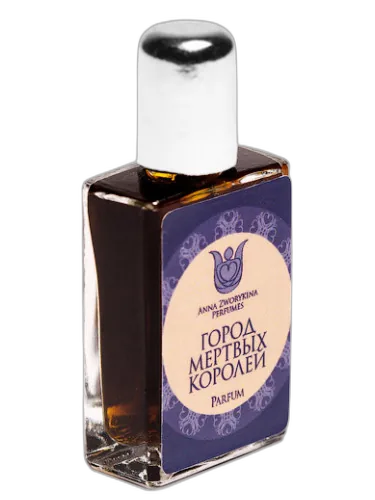
Hue Город Мертвых Королей Anna Zworykina Perfumes
Fragrance Story
Hue Город Мертвых Королей by Anna Zworykina Perfumes is a Aromatic fragrance for women and men. Hue Город Мертвых Королей was launched in 2010. The nose behind this fragrance is Anna Zworykina.
Composition Profile
About the Perfumer

Anna Zworykina
Anna Zworykina is an independent Russian perfumer known for her conceptual, narrative-driven approach to fragrance. Her style often blends stark contrasts, pairing dark, smoky, or bitter notes with unexpected brightness, as seen in creations like Black Stone and Bitter Glass. She draws inspiration from literature, memory, and nature, crafting scents such as Apple Orchard and A Ghost House that evoke specific atmospheres and emotions.
Fragrance Notes
All Notes
Complete scent profile
.jpg) Agarwood (Oud)
Agarwood (Oud)
 Seaweed
 Myrrh
Myrrh
 elemi
elemi
 Patchouli
 Oakmoss
 Choya Loban
 Hops
Hops
 Incense
 Vetiver
 Juniper
 Frangipani
 Violet Leaf
 Labdanum
 Rose
Rose
 Lavender
 Jasmine
Pink Lotus
Jasmine
Pink Lotus
 Angelica
 Sandalwood
 Saffron
 Mango
Mango
Character Profile
The Lover Archetype: Portrait of Hue Город Мертвых Королей Anna Zworykina Perfumes
Essence
This person is defined by the Seeker archetype-a soul in perpetual motion, driven by an insatiable hunger for meaning beyond the mundane. The Seeker does not settle; they wander, question, and challenge. Their chosen fragrance, Hue Город Мертвых Королей (City of Dead Kings), is not merely a scent but a manifesto-an olfactory embodiment of their journey through the ruins of history, memory, and self.
The Seeker thrives in liminal spaces, where past and present blur, where beauty and decay intertwine. The fragrance’s dark, resinous depth, its whispers of incense and stone, mirror their inner landscape-one of contemplation, reverence for the forgotten, and a quiet defiance against the ephemeral.
Style & Aesthetic
Their wardrobe is a carefully curated archive of textures and tones-dark, layered, tactile. They favor garments that tell a story: a vintage coat with frayed edges, a ring passed down through generations, boots that have traversed both city streets and forgotten ruins. Their style is not gothic, but rather monastic-structured yet fluid, disciplined yet sensual.
They are drawn to art that lingers in the margins-films with ambiguous endings, music that evokes vast emptiness, literature that explores the weight of time. They prefer the company of a single candle’s flicker to the glare of artificial light.
Philosophy & Values
They are drawn to the poetry of impermanence, finding elegance in what has been lost or abandoned. Their philosophy is neither nihilistic nor romantic, but rather a measured acceptance of life’s transience. They believe in depth over spectacle, substance over trend.
Their values are rooted in authenticity-they despise pretense, yet they themselves are not immune to the occasional affectation. They admire those who think independently, who carve their own paths rather than follow well-trodden ones. Tradition intrigues them, but only insofar as it can be reinterpreted, questioned, or subverted.
Relationships
They are selectively intimate, forming deep but few connections. Their friendships are built on shared silences as much as shared words. They do not suffer fools, nor do they tolerate superficiality-yet they are not cruel in their dismissals. They simply withdraw, like a shadow receding into dusk.
In love, they are intense yet elusive, drawn to those who mirror their own complexity. They crave a partner who understands their need for solitude, who does not mistake their quietude for coldness. Their relationships are often marked by a push-and-pull dynamic-moments of profound closeness followed by retreats into introspection.
Shadow
The Seeker’s greatest strength-their relentless pursuit of meaning-can also be their undoing. They risk becoming eternally restless, never fully present, always searching for something just beyond reach. Their fascination with the past can morph into melancholic fixation, a refusal to engage with the living moment.
At their worst, they may romanticize suffering, mistaking detachment for wisdom. They might grow impatient with those who do not share their depth, dismissing simpler joys as naive. Their independence can harden into isolation, leaving them stranded in their own labyrinth of thought.
Conclusion
Hue Город Мертвых Королей is not just a perfume-it is a ritual, a way of marking time, of honoring what has passed while remaining firmly rooted in the present. The wearer is neither ghost nor king, but something in between-a custodian of memory, a philosopher of the unseen.
They are flawed, yes, but their flaws are the price of their depth. They will never be content with easy answers, and perhaps that is their greatest virtue. The world needs Seekers-those who remind us that beauty is often found in the cracks, in the places others overlook. And in their quiet way, they ensure that the dead kings are never truly forgotten.
Similar Fragrances
Fragrances with a comparable profile - shared accords, notes, and character.
Anna Zworykina Perfumes
Hue Город Мертвых Королей Anna Zworykina Perfumes
Shared accords: amber, aquatic, aromatic
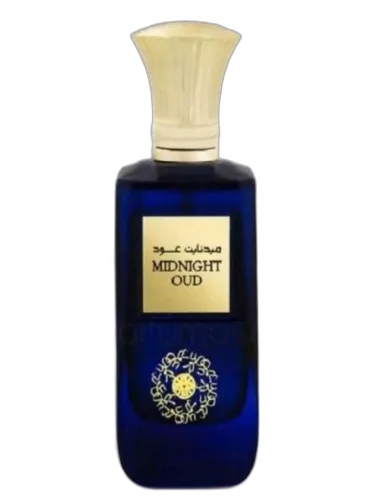
Ard Al Zaafaran
Midnight Oud Ard Al Zaafaran
Shared accords: amber, aromatic, balsamic
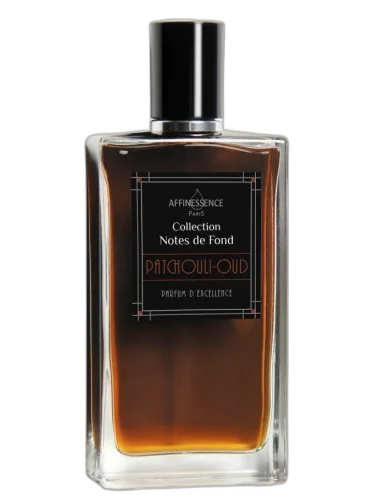
Affinessence
Patchouli Oud Affinessence
Shared accords: amber, aromatic, balsamic

O Boticário
Zaad Go O Boticário
Shared accords: amber, aquatic, aromatic

Sikelia
Triskelé Sikelia
Shared accords: amber, aromatic, balsamic