
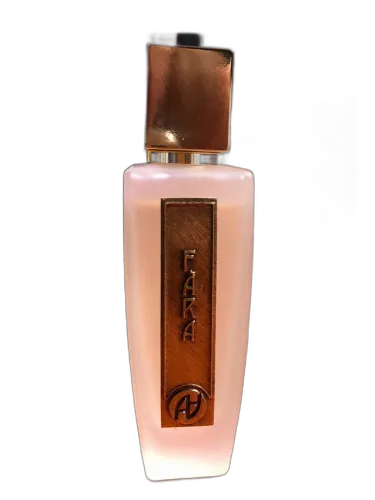

Fara Antonio Alessandria
At a glance
Is Fara Antonio Alessandria worth trying?
Fara by Antonio Alessandria is a Citrus fragrance for women and men.
- Best match
- Casual wear in Summer
- Performance feel
- Moderate longevity with Moderate sillage
- Signature profile
- citrus, fresh spicy, aromatic with Lime, Lemon, Peppermint
The first impression
Fara by Antonio Alessandria is a Citrus fragrance for women and men. Fara was launched in 2018. The nose behind this fragrance is Antonio Alessandria. Top notes are Lime, Lemon, Peppermint and Bergamot; middle notes are Salt, Water Notes, Cumin and Magnolia; base notes are Cedar, Incense, Musk and Amber.
What shapes the scent
The perfumer behind it

Antonio Alessandria
Antonio Alessandria is an independent Italian perfumer known for his artisanal approach and deep connection to raw materials. His style blends classical elegance with bold, contemporary contrasts, often exploring resinous, floral, and woody accords. Notable creations like Fleurs Et Flammes and Rusty Vibes showcase his ability to balance intensity with refinement, while Pluvia Sacra reflects his interest in atmospheric storytelling.
Notes pyramid
Top Notes
First impression · 15-30 min
 Lime
Lime
 Lemon
Lemon
 Peppermint
 Bergamot
Heart Notes
Core character · 2-4 hours
 Salt
Water Notes
Salt
Water Notes
 Cumin
Cumin
 Magnolia
Base Notes
Lasting impression · 4+ hours
 Cedar
Cedar
 Incense
 Musk
Musk
 Amber
Amber
The mood it creates
The Sage Archetype: Portrait of Fara Antonio Alessandria
Essence
The one who favors Fara by Antonio Alessandria is not merely a connoisseur of fragrance but a seeker of hidden truths. This scent-dark, resinous, with whispers of leather, incense, and oud-belongs to the domain of the Sage, the Jungian archetype of wisdom, introspection, and quiet authority. The Sage does not shout; they observe, analyze, and distill meaning from the world’s chaos. They are drawn to the enigmatic, the complex, the things that require patience to unravel.
Yet, like all archetypes, the Sage has a shadow-one that risks becoming lost in abstraction, detached from the visceral pulse of life. The admirer of Fara walks this fine line, balancing profound insight with the danger of over-intellectualizing existence.
Style & Aesthetic
Their tastes are not for the obvious. They prefer the weight of history in a well-worn leather-bound book, the texture of aged wood, the scent of a library where time has settled into the pages. Their wardrobe leans toward structured minimalism-dark hues, tailored lines, fabrics that speak of quiet confidence rather than ostentation.
In art, they are drawn to symbolism, to the works of the surrealists or the mystics-Dali, Bosch, or the intricate geometries of Islamic architecture. Music is an experience of depth: ambient soundscapes, classical compositions with brooding undertones, or the hypnotic rhythms of tribal drums.
Their daily life is structured yet fluid, a balance of discipline and spontaneity. Mornings might begin with meditation or the slow savoring of black coffee, evenings with reading by dim light. They are drawn to travel, but not for spectacle-they seek the places where history lingers, where the air itself feels heavy with stories.
Professionally, they thrive in roles that demand analysis and creativity-writers, researchers, philosophers, perfumers, or artists. Routine mundanity suffocates them; they need work that engages the mind as much as the hands.
Philosophy & Values
They believe the world is a text to be decoded, a puzzle where every piece carries significance. Their philosophy is not dogmatic but fluid, shaped by a blend of esoteric traditions, existential thought, and a deep respect for the irrational. They might quote Jung, Nietzsche, or the Tao Te Ching with equal ease, not as doctrine but as fragments of a larger, ungraspable truth.
Their highest value is authenticity-not the performative kind, but the raw, unpolished essence of things. They despise superficiality, though this can manifest as impatience with those who do not share their depth.
Relationships
They are not gregarious, but neither are they hermits. Their relationships are few but profound, built on mutual understanding rather than casual camaraderie. They attract those who crave depth, who are unafraid of silence. Romantic partners must be their intellectual equals-someone who can spar with ideas, who does not fear the shadows of the mind.
Yet their shadow emerges here: their love of solitude can become isolation. They may withdraw when overwhelmed, leaving others to wonder if they are truly present. Their pursuit of wisdom can make them seem cold, as if they are dissecting emotions rather than feeling them.
Shadow
The Sage’s greatest strength-their intellect-can also be their downfall. In their quest for understanding, they may forget that not all truths are cerebral; some must be lived, felt, even suffered through. Their detachment can harden into superiority, a quiet disdain for those who do not share their depth.
They must guard against becoming the Hermit, so lost in their own mind that they forget the warmth of human touch, the necessity of imperfection. True wisdom, they must learn, is not just knowing-it is knowing when to stop knowing and simply be.
Conclusion
Fara is not a scent for the faint of heart. It is for those who embrace the dark, the complex, the unresolved. The one who wears it is both scholar and mystic, thinker and seeker. They walk the line between enlightenment and alienation, forever balancing the hunger for knowledge with the need to remain human.
In the end, they are not just smelling a fragrance-they are breathing in an echo of their own soul.
If you like this, try these
Fragrances with a comparable profile - shared accords, notes, and character.

Comme des Garcons
Energy C Lime Comme Des Garcons
Shared top notes: bergamot, lemon, lime
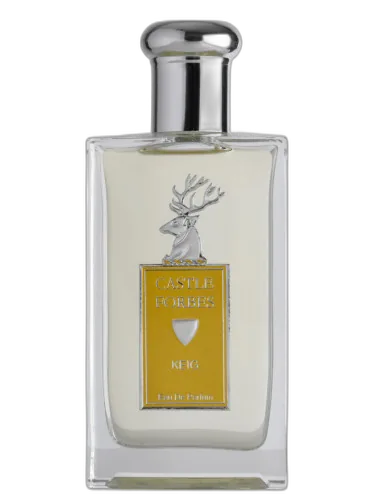
Castle Forbes
Keig Castle Forbes
Shared top notes: bergamot, lemon, lime
Lanvin
Vetyver (2003) Lanvin
Shared top notes: bergamot, lemon, lime
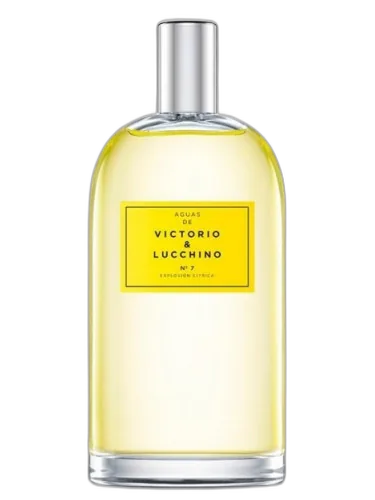
Victorio & Lucchino
Nº 7 Explosion Cítrica Victorio & Lucchino
Shared top notes: bergamot, lemon

Calvin Klein
Eternity Summer 2016 Calvin Klein
Shared top notes: bergamot, lime