


Éperdument Antonio Alessandria
Fragrance Story
Éperdument by Antonio Alessandria is a fragrance for women and men. Éperdument was launched in 2016. The nose behind this fragrance is Antonio Alessandria. Top notes are Ozonic notes, Green Notes, Sea Notes, Citruses and Fennel; middle notes are Jasmine, Honeysuckle, Lily-of-the-Valley and Orange Blossom; base notes are Musk, Woody Notes and Amber.
Composition Profile
About the Perfumer

Antonio Alessandria
Antonio Alessandria is an independent Italian perfumer known for his artisanal approach and deep connection to raw materials. His style blends classical elegance with bold, contemporary contrasts, often exploring resinous, floral, and woody accords. Notable creations like Fleurs Et Flammes and Rusty Vibes showcase his ability to balance intensity with refinement, while Pluvia Sacra reflects his interest in atmospheric storytelling.
Fragrance Notes
Top Notes
First impression · 15-30 min
 Ozonic notes
 Green Notes
Sea Notes
Green Notes
Sea Notes
 Citruses
 Fennel
Heart Notes
Core character · 2-4 hours
 Jasmine
 Honeysuckle
 Lily-of-the-Valley
 Orange Blossom
Base Notes
Lasting impression · 4+ hours
 Musk
Musk
 Woody Notes
 Amber
Amber
Éperdument Antonio Alessandria by Antonio Alessandria offers a distinctive olfactory experience that stands out from other fragrances in its category.
Crafted with the finest ingredients and a blend of traditional and modern perfumery techniques, this fragrance represents the pinnacle of the perfumer's art.
Éperdument Antonio Alessandria embodies the distinctive style of Antonio Alessandria while adding a unique chapter to their fragrance portfolio.
Character Profile
The Lover Archetype: Portrait of Éperdument Antonio Alessandria
Essence
To wear Éperdument by Antonio Alessandria is to embrace a paradox-a fragrance that is at once opulent and restrained, fiery yet composed. It is a scent for those who understand passion not as mere abandon, but as a disciplined art. The person who cherishes this fragrance is one who lives by the creed of the Lover archetype, though not in its most obvious form. Their love is not reckless, but deliberate; not fleeting, but enduring.
Shadow
Yet, like all archetypes, the Lover has its shadow. Their devotion can tip into possessiveness, their passion into melancholy. They may struggle with the impermanence of things, clinging to relationships or moments that have already faded. There is a risk of becoming too absorbed in their own emotional world, mistaking depth for self-absorption. When wounded, they retreat into solitude, nursing their hurts like precious artifacts.
They are not naive-they know love is fraught with pain-but they refuse to armor themselves against it. This makes them vulnerable, sometimes to their own detriment. Their greatest fear is not heartbreak, but indifference-to love and not be loved in return with equal fervor.
Conclusion
Their tastes are refined, almost ritualistic. They do not indulge in excess, but neither do they deny themselves pleasure. They might favor dark, tailored fabrics-cashmere, fine wool, leather-always with an understated elegance. Their home is a sanctuary of muted luxury: aged wood, soft lighting, a few carefully chosen artworks that speak to them on a visceral level. They are drawn to music that balances intensity with control-perhaps the compositions of Debussy or the late works of Leonard Cohen.
Philosophically, they believe in depth over breadth. They would rather know one book intimately than skim a hundred. This extends to relationships: their circle is small, but fiercely loyal. They do not give affection lightly, but when they do, it is with an unwavering intensity. Their love language is one of quiet devotion-remembering a friend’s favorite wine, writing letters by hand, listening with undivided attention.
Similar Fragrances
Fragrances with a comparable profile - shared accords, notes, and character.

Elizabeth Arden
Sunflowers Summer Air Elizabeth Arden
Shared accords: citrus, fresh, green
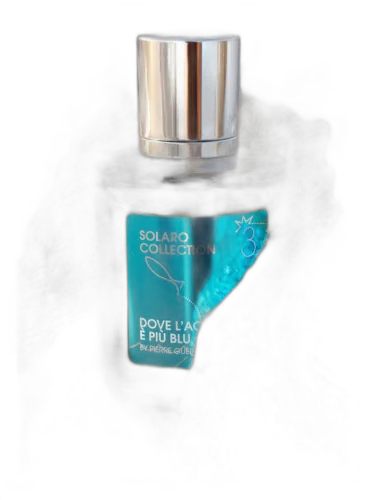
UERMI
3 Dove L'acqua È Più Blu Uermi
Shared accords: citrus, fresh, marine
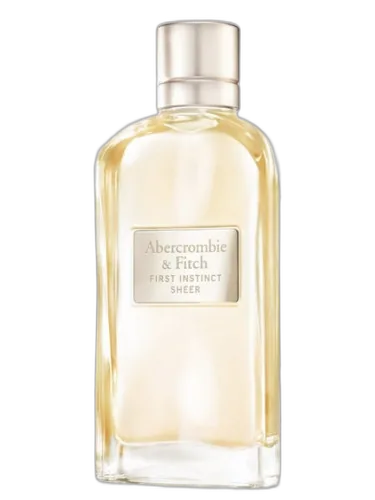
Abercrombie & Fitch
First Instinct Sheer Abercrombie & Fitch
Shared accords: citrus, fresh, musky

Fragancias Cannon
Ciel Fragancias Cannon
Shared accords: fresh, green, musky

Phaedon
L'eau De Phaedon Phaedon
Shared accords: citrus, fresh, green