
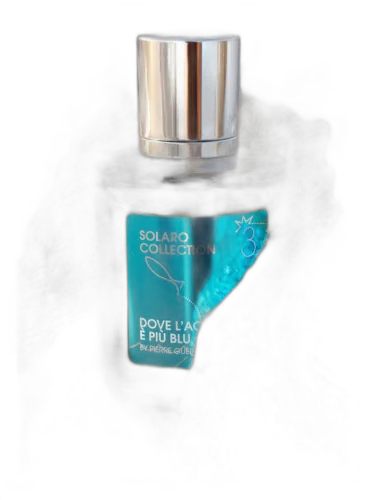

3 Dove L'acqua È Più Blu Uermi
Fragrance Story
3 Dove L'Acqua È Più Blu by UERMI is a fragrance for women and men. This is a new fragrance. 3 Dove L'Acqua È Più Blu was launched in 2022. The nose behind this fragrance is Pierre-Constantin Guéros. Top notes are Lemon, Bergamot and Mandarin Orange; middle notes are Sea Daffodil, Sea water and Lily-of-the-Valley; base notes are Musk, Algae and Patchouli.
Composition Profile
About the Perfumer

Pierre-Constantin Guéros
Pierre-Constantin Guéros is a perfumer whose portfolio spans niche and mass-market brands. He has created fragrances for AlBidaa, Amirius, Antinomie, and Armand Basi. His work also includes scents for Avon, Benetton, and Bill Blass.
Fragrance Notes
Top Notes
First impression · 15-30 min
 Lemon
Lemon
 Bergamot
 Mandarin Orange
Heart Notes
Core character · 2-4 hours
 Sea Daffodil
 Sea water
 Lily-of-the-Valley
Base Notes
Lasting impression · 4+ hours
 Musk
Musk
 Algae
Algae
 Patchouli
3 Dove L'acqua È Più Blu Uermi by UERMI offers a distinctive olfactory experience that stands out from other fragrances in its category.
Crafted with the finest ingredients and a blend of traditional and modern perfumery techniques, this fragrance represents the pinnacle of the perfumer's art.
3 Dove L'acqua È Più Blu Uermi embodies the distinctive style of UERMI while adding a unique chapter to their fragrance portfolio.
Character Profile
The Lover Archetype: Portrait of 3 Dove L'acqua È Più Blu Uermi
Essence
This person is defined by the Explorer archetype, though not in the crude sense of mere physical travel. Their exploration is one of the senses, the soul, and the liminal spaces between reality and reverie. The scent of Dove L'acqua È Più Blu Uermi-fresh, aquatic, yet subtly melancholic-mirrors their essence: a being drawn to the vastness of the sea, the horizon’s promise, and the quiet solitude of untouched shores.
They are not a conqueror of lands but a seeker of impressions, a collector of fleeting moments where water meets sky, where clarity blurs into mystery. Their spirit thrives on movement-not necessarily of the body, but of the mind and emotions. They are the kind who stands at the edge of a pier at dawn, inhaling the salt air, feeling both weightless and profoundly anchored to something intangible.
Shadow
Yet, this very freedom has its cost. Their restlessness can become rootlessness, a refusal to settle even when stability might serve them. They mistake movement for growth, sometimes fleeing before true depth can be reached. Relationships may suffer-not because they are incapable of love, but because they fear the weight of permanence.
There is also a tendency toward melancholy, a quiet undercurrent of sorrow beneath their serenity. The sea they love so much is also a mirror of their own vast, sometimes lonely depths. They may romanticize solitude to the point of isolation, mistaking detachment for wisdom.
And then there is the danger of becoming untethered. Without something-or someone-to anchor them, they risk dissolving into their own fluidity, becoming a specter rather than a fully embodied soul.
Conclusion
Their tastes are refined but never ostentatious. They prefer the understated elegance of natural textures-linen, raw silk, unpolished wood-over gilded opulence. Their wardrobe is a study in restrained beauty: soft blues, muted grays, whites that suggest purity but not sterility. They might wear a single silver ring, tarnished slightly by time, a relic from a journey long past.
Philosophically, they reject rigid dogma. Truth, to them, is found in the ebb and flow of experience, not in fixed doctrines. They are drawn to thinkers like Heraclitus, who saw the world as ever-changing, and to poets like Rilke, who understood solitude as a companion rather than a curse. Their values are rooted in authenticity-not the performative kind, but the quiet alignment of inner and outer selves.
In relationships, they are both present and elusive. They love deeply but require space, like the tide that must retreat to return. Their closest bonds are with those who understand their need for solitude without interpreting it as rejection. They are not possessive, nor do they tolerate possessiveness in others. Their love is like the sea: vast, nourishing, but impossible to contain.
Similar Fragrances
Fragrances with a comparable profile - shared accords, notes, and character.
UERMI
3 Dove L'acqua È Più Blu Uermi
Shared accords: aromatic, citrus, fresh
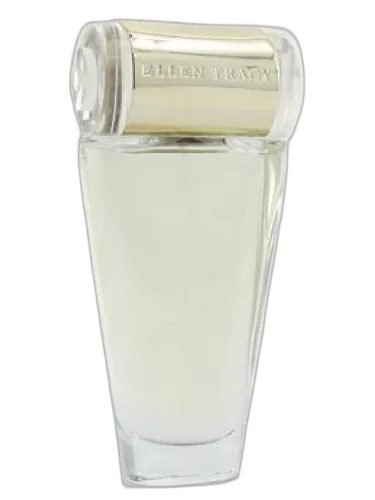
Ellen Tracy
Inspire Ellen Tracy
Shared accords: aromatic, citrus, fresh

Antonio Alessandria
Éperdument Antonio Alessandria
Shared accords: citrus, fresh, marine
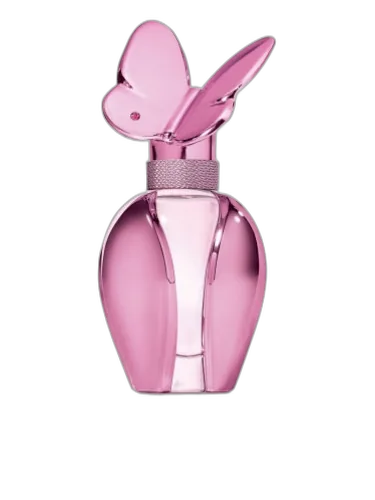
Mariah Carey
Luscious Pink Deluxe Edition Parfum Mariah Carey
Shared accords: aromatic, citrus, fresh

Natura
Kaiak Aventura Natura
Shared accords: aromatic, citrus, fresh