
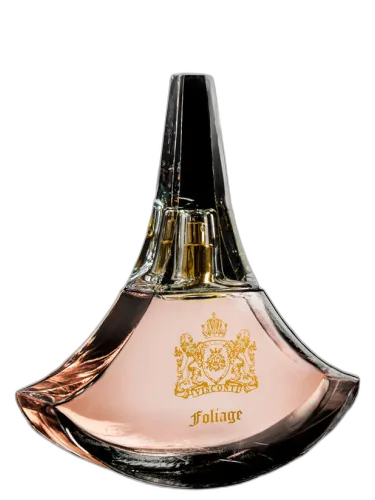

Foliage Antonio Visconti
At a glance
Is Foliage Antonio Visconti worth trying?
Foliage by Antonio Visconti is a Floral Fruity fragrance for women and men.
- Best match
- Casual wear in Spring
- Performance feel
- Good longevity with Moderate sillage
- Signature profile
- rose, floral, citrus with black fig, Mandarin Orange, Lemon
The first impression
Foliage by Antonio Visconti is a Floral Fruity fragrance for women and men. Foliage was launched in 2015. The nose behind this fragrance is Antonio Visconti. Top notes are black fig, Mandarin Orange, Lemon and Bergamot; middle notes are Rose, Peony, Jasmine, Violet Leaf and Bergamot Blossom; base notes are Gurjan balsam, Sandalwood, Musk, Incense and Amber.
What shapes the scent
The perfumer behind it

Antonio Visconti
Antonio Visconti is an Italian perfumer who creates fragrances under his own name. His collection includes Alhambra, Bal Masqué, Coeur De Vanille, Foliage, Glam Flower, Juicy Flower, La Divina Tubereuse, and Le Sens Du Plaisir. His style ranges from gourmand vanillas to floral and green compositions, often with a luxurious, romantic feel.
Notes pyramid
Top Notes
First impression · 15-30 min
 black fig
 Mandarin Orange
 Lemon
Lemon
 Bergamot
Heart Notes
Core character · 2-4 hours
 Rose
Rose
 Peony
Peony
 Jasmine
 Violet Leaf
 Bergamot Blossom
Base Notes
Lasting impression · 4+ hours
Gurjan balsam
 Sandalwood
 Musk
Musk
 Incense
 Amber
Amber
The mood it creates
The Lover Archetype: Portrait of Foliage Antonio Visconti
Essence
To wear Foliage by Antonio Visconti is to embrace the verdant pulse of life itself-a scent that is neither floral nor woody, but alive with the chlorophyll breath of crushed leaves, damp earth, and sun-warmed bark. The person who chooses this fragrance is drawn to the liminal, the places where civilization and wilderness blur. They are not merely a lover of nature, but an embodiment of its paradoxes-both tender and untamed, structured yet wild. Their archetype is unmistakable: The Green Mystic, a modern incarnation of the Sage with deep roots in the Earth Mother.
This is someone who moves through the world with quiet intensity, their presence like the slow unfurling of a fern. They are drawn to textures-rough linen, unpolished wood, the grit of soil beneath their nails. Their aesthetic is organic but deliberate, favoring muted greens, deep browns, and the occasional flash of mossy gold. They wear clothes that look lived-in, as if they’ve been pulled from a forest floor and reshaped by human hands.
Philosophically, they are animists at heart, believing that life hums in all things-not just in the obvious, but in the cracks of pavement where weeds stubbornly rise, in the rustling of paper like dry leaves, in the scent of rain on concrete. They reject the artificial division between humanity and nature, seeing instead a continuum where both must coexist, though not always harmoniously.
Shadow
Yet the Green Mystic is not without thorns. Their deep connection to nature can become escapism, a retreat from human complexity into the safer, simpler rhythms of the wild. They may grow impatient with those who don’t share their vision, dismissing urban life as "soulless" or people who prefer order as "rigid." Their idealism can curdle into judgment, a quiet arrogance that believes only they truly see.
In love, they risk becoming distant, mistaking solitude for strength. They may withhold affection, rationalizing it as independence, when in truth it is fear-fear of being uprooted, of losing their sacred autonomy. Their shadow is the hermit who forgets that wisdom must be shared, not hoarded like seeds in winter.
Conclusion
The Green Mystic thrives in solitude but is not a recluse. They are the friend who brings you a sprig of rosemary from their garden, who knows the names of local plants and their uses, who can sit in silence for hours watching the shift of light through trees. Their wisdom is not the cold logic of the scholar but the intuitive knowledge of one who listens-to the wind, to the turning seasons, to the unspoken tensions in a room.
They value authenticity above all else, despising pretense and hollow social rituals. In relationships, they are fiercely loyal but demand space-not out of coldness, but because they understand that love, like a plant, needs room to breathe. They are drawn to partners who share their reverence for the unseen, who appreciate the slow, deliberate way they move through intimacy.
Their lifestyle is one of quiet rebellion against the frenzy of modernity. They may live in a city, but their home is an oasis-books on foraging, dried herbs hanging in the kitchen, a small balcony overtaken by potted vines. They rise early, not out of discipline, but because dawn is when the world feels most alive.
If you like this, try these
Fragrances with a comparable profile - shared accords, notes, and character.
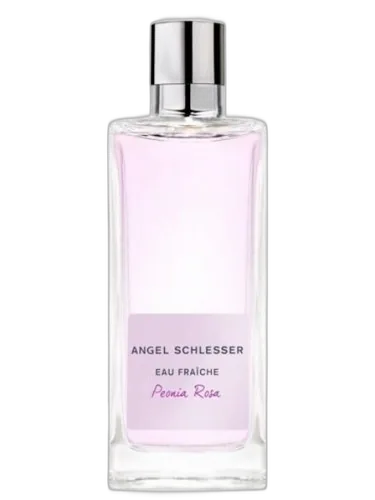
Angel Schlesser
Eau Fraiche Peonia Rose Angel Schlesser
Shared top notes: bergamot, mandarin orange
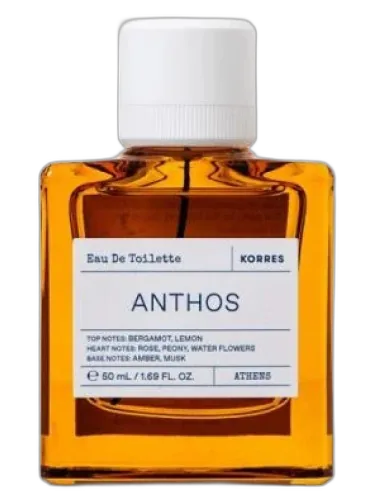
Korres
Anthos Korres
Shared top notes: bergamot, lemon

Mahogany
Make Me Fever Rose Mahogany
Shared top notes: bergamot, mandarin orange
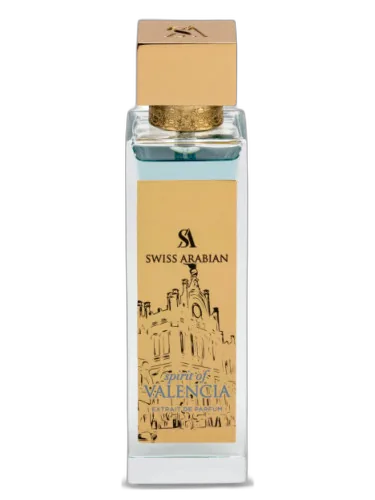
Swiss Arabian
Spirit Of Valencia Swiss Arabian
Shared top notes: bergamot, lemon

O Boticário
Linda Radiance O Boticário
Shared top notes: bergamot, mandarin orange