
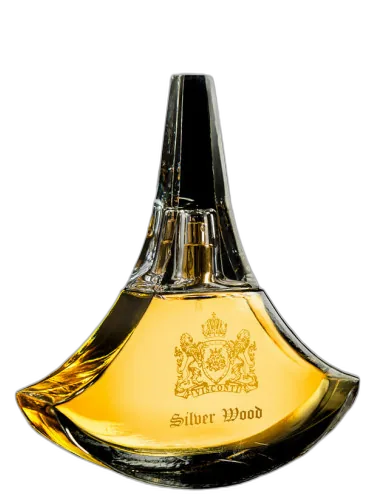

Silver Wood Antonio Visconti
At a glance
Is Silver Wood Antonio Visconti worth trying?
Silver Wood by Antonio Visconti is a Woody fragrance for women and men.
- Best match
- Evening, Special Occasion wear in Fall, Winter
- Performance feel
- Very Good longevity with Strong sillage
- Signature profile
- woody, musky, warm spicy with Saffron, Pink Pepper, Rose
The first impression
Silver Wood by Antonio Visconti is a Woody fragrance for women and men. The nose behind this fragrance is Antonio Visconti. Top notes are Saffron, Pink Pepper, Rose and Raspberry; middle notes are Mate, Agarwood (Oud), Lily-of-the-Valley and Magnolia; base notes are Musk, ebony tree, Vetiver, Incense, Gurjan balsam and Vanilla.
What shapes the scent
The perfumer behind it

Antonio Visconti
Antonio Visconti is an Italian perfumer who creates fragrances under his own name. His collection includes Alhambra, Bal Masqué, Coeur De Vanille, Foliage, Glam Flower, Juicy Flower, La Divina Tubereuse, and Le Sens Du Plaisir. His style ranges from gourmand vanillas to floral and green compositions, often with a luxurious, romantic feel.
Notes pyramid
Top Notes
First impression · 15-30 min
 Saffron
 Pink Pepper
 Rose
Rose
 Raspberry
Heart Notes
Core character · 2-4 hours
 Mate
Mate
 Agarwood (Oud)
 Lily-of-the-Valley
 Magnolia
Base Notes
Lasting impression · 4+ hours
 Musk
Musk
 ebony tree
 Vetiver
 Incense
Gurjan balsam
Incense
Gurjan balsam
 Vanilla
The mood it creates
The Sage Archetype: Portrait of Silver Wood Antonio Visconti
Essence
The one who wears Silver Wood by Antonio Visconti is not merely drawn to fragrance-they are drawn to the essence of wisdom itself. This scent, with its cool metallic edge, polished woods, and faintly smoky depth, belongs to the realm of the Sage, the seeker of truth, the observer who stands just outside the chaos of life, analyzing, refining, and distilling meaning from experience.
The Sage is not content with superficial pleasures; they crave knowledge, precision, and the quiet mastery of their own existence. They are the philosopher who walks through the world with a measured step, their mind always working, always questioning. Yet, like all archetypes, the Sage has a shadow-one that can slip into detachment, coldness, or an over-intellectualization of life that leaves little room for raw, unfiltered emotion.
Relationships
They do not surround themselves with many, but the few they keep close are bound by mutual respect and intellectual kinship. Their love is not effusive but profound, expressed in acts of loyalty and quiet understanding rather than grand gestures. They may struggle with vulnerability, preferring to offer wisdom rather than weakness, analysis rather than raw confession.
Romantically, they seek a partner who can match their depth-someone who does not mistake their reserve for indifference. Their relationships are slow to ignite but enduring once formed, built on shared curiosity and a mutual appreciation for the unspoken.
Shadow
Yet wisdom, when unchecked, can become a prison. The Sage’s greatest flaw is the tendency to retreat into the mind, to dissect emotions until they lose their vitality. They may rationalize pain rather than feel it, or dismiss passion as irrational, leaving their relationships starved of warmth. At their worst, they become the aloof observer, judging life rather than living it.
Their sharp intellect can also turn inward, leading to self-doubt disguised as endless analysis. They may hesitate where others act, trapped in the paralysis of overthought. The very clarity they seek can become a barrier to spontaneity, joy, and the messy beauty of unguarded moments.
Conclusion
Their tastes are deliberate, never accidental. They prefer clean lines in design, muted colors that suggest restraint rather than exuberance. Their wardrobe is a study in understatement-tailored but never ostentatious, fabrics chosen for texture and longevity rather than trend. They might favor a well-worn leather journal, a minimalist timepiece, or a single piece of art that holds layers of meaning rather than a cluttered collection.
Philosophy is not an abstract interest for them; it is the lens through which they navigate existence. Stoicism appeals to their sense of discipline, while existentialism resonates with their acceptance of life’s inherent ambiguity. They do not fear solitude-in fact, they require it, for it is in silence that their thoughts crystallize.
If you like this, try these
Fragrances with a comparable profile - shared accords, notes, and character.

Memo Paris
Retba Memo Paris
Shared top notes: pink pepper, raspberry, rose
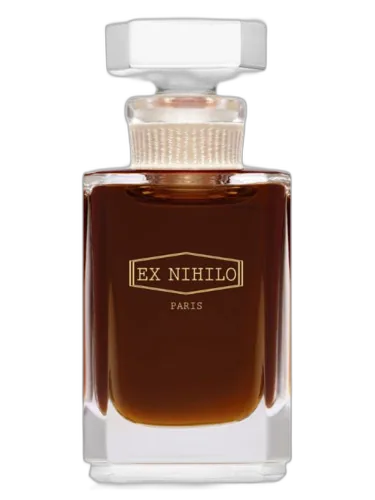
Ex Nihilo
Supernatural Oud Ex Nihilo
Shared top notes: rose, saffron
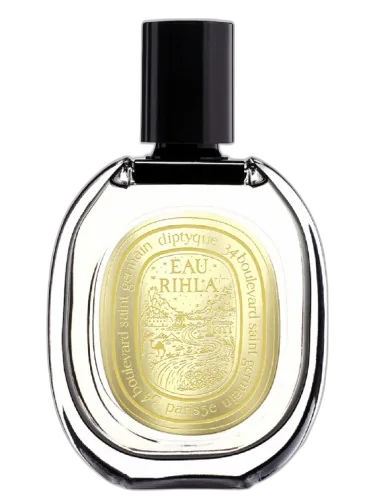
Diptyque
Eau Rihla Eau De Parfum Diptyque
Shared top notes: pink pepper, raspberry, saffron
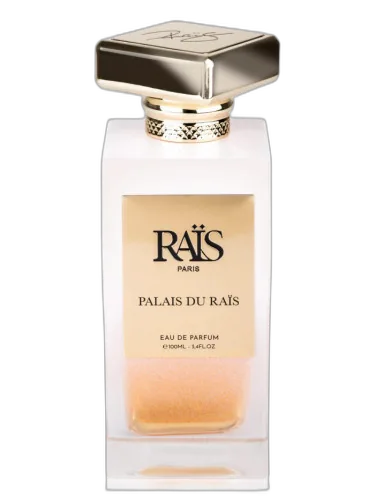
Raïs
Palais Du Raïs Raïs
Shared top notes: raspberry, saffron
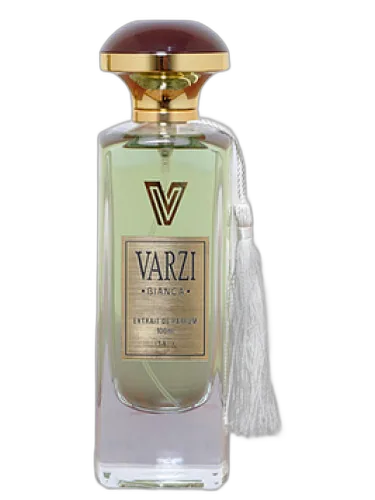
Varzi Artisanal Perfume
Bianca Varzi Artisanal Perfume
Shared top notes: rose, saffron