
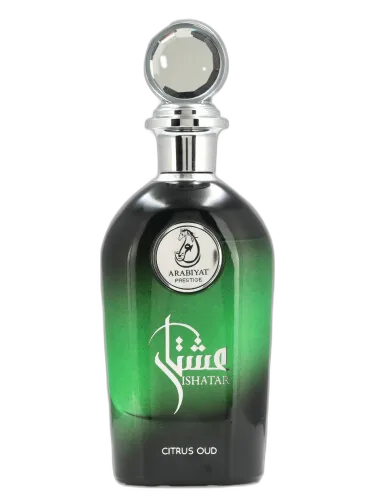

Ishatar Citrus Oud Arabiyat
At a glance
Is Ishatar Citrus Oud Arabiyat worth trying?
Ishatar Citrus Oud by Arabiyat is a fragrance for women and men.
- Best match
- Evening wear in Fall
- Performance feel
- Very Good longevity with Strong sillage
- Signature profile
- woody, warm spicy, citrus with Cardamom, Mandarin, Jasmine
The first impression
Ishatar Citrus Oud by Arabiyat is a fragrance for women and men. Ishatar Citrus Oud was launched in 2023. The nose behind this fragrance is Angeline Leporini. Top notes are Cardamom and Mandarin; middle notes are Jasmine and Woody Notes; base notes are Patchouli, Cedarwood, Musk and Oud.
What shapes the scent
The perfumer behind it

Angéline Leporini
Angéline Leporini is a French perfumer known for her work with major houses like Amouage and Ajmal. Her style balances fresh, citrusy accords with deeper woody and oriental notes, as seen in 4711 Acqua Colonia Yuzu & Cedarwood and Epic Woman. She also creates complex, opulent compositions such as Qasida Dahabia and the green, modern twist of 4711 Remix Green Oasis.
Notes pyramid
Top Notes
First impression · 15-30 min
 Cardamom
 Mandarin
Heart Notes
Core character · 2-4 hours
 Jasmine
 Woody Notes
Base Notes
Lasting impression · 4+ hours
 Patchouli
Cedarwood
Patchouli
Cedarwood
 Musk
Oud
Musk
Oud
The mood it creates
The Alchemist Archetype: Portrait of Ishatar Citrus Oud Arabiyat
Essence
The one who chooses Ishtar Citrus Oud Arabiyat is an Alchemist-a seeker who transforms the mundane into the extraordinary. This fragrance, with its bold citrus brightness dissolving into the deep, mystical warmth of oud, mirrors their essence: a fusion of intellect and intuition, clarity and mystery. They are not content with surface impressions; they crave the hidden layers of meaning in all things.
Like the alchemists of old, they are drawn to the tension between opposites-light and dark, ephemeral and eternal, the known and the unknowable. Their life is an experiment, a constant refinement of self and surroundings. They do not merely exist; they transmute.
Style & Aesthetic
Their aesthetic is a paradox-both deliberate and effortless. They favor textures that tell a story: aged leather, raw silk, oxidized metals. Their wardrobe is curated, not for trends but for resonance-each piece a talisman of meaning. They might wear a tailored blazer over a flowing, unstructured shirt, embodying the balance between precision and fluidity.
In their home, light filters through stained glass or candles flicker against dark wood. Bookshelves hold volumes on philosophy, esoterica, and forgotten histories. They collect oddities-antique apothecary bottles, a fragment of meteorite, a dried citrus peel preserved like a relic. Their taste in art leans toward the symbolic: surrealism, alchemical engravings, or abstract works that suggest rather than declare.
Their philosophy is one of becoming. They reject dogma but revere wisdom, distilling truth from many traditions without pledging allegiance to any. They believe in the power of transformation-not as mere self-improvement, but as an alchemical process where suffering, joy, and experience are all ingredients in the crucible of the soul.
Philosophy & Values
They value depth above all else. Superficial charm repels them; they crave conversations that spiral into the profound. Friendships are few but intense-each one a mirror, a challenge, a catalyst. They do not suffer fools, but they are patient with those who show a spark of curiosity.
In love, they are drawn to those who are equally enigmatic. A partner must be both a sanctuary and a riddle-someone who can match their intellect but also disrupt their certainty. They are fiercely loyal but demand independence, needing space to retreat into their inner world. Their relationships are laboratories of the soul, where intimacy is not just shared but alchemized.
Shadow
Yet every archetype has its shadow. The Alchemist risks becoming lost in their own labyrinth, mistaking obsession for enlightenment. Their hunger for transformation can turn into restlessness-never satisfied, always seeking the next revelation, the next elixir. They may grow disdainful of those who do not share their depth, dismissing simplicity as ignorance.
Their greatest weakness is solipsism-the belief that their inner world is the only one that matters. They may withdraw too far, becoming hermits of their own making, mistaking isolation for wisdom. The very intensity that fuels their brilliance can also burn bridges, leaving them alone with their thoughts, untempered by the friction of human connection.
Conclusion
They are neither saint nor cynic, but a perpetual student of existence. Their days are a dance between discipline and spontaneity-mornings spent in ritual (black coffee, journaling, a single deliberate fragrance applied like an invocation), evenings lost in wine and debate. They are drawn to places where past and present blur: dimly lit libraries, spice markets at dusk, cities where ancient ruins stand beside modern towers.
Their life is not one of grand, external conquests, but of quiet revolutions within. They measure success not in wealth or status, but in the richness of their inner world. Yet they must remember: the alchemist’s gold is not found in isolation, but in the shared fire of human experience.
To wear Ishtar Citrus Oud Arabiyat is to declare oneself a seeker-one who walks the razor’s edge between light and shadow, forever distilling the raw materials of life into something transcendent.
If you like this, try these
Fragrances with a comparable profile - shared accords, notes, and character.
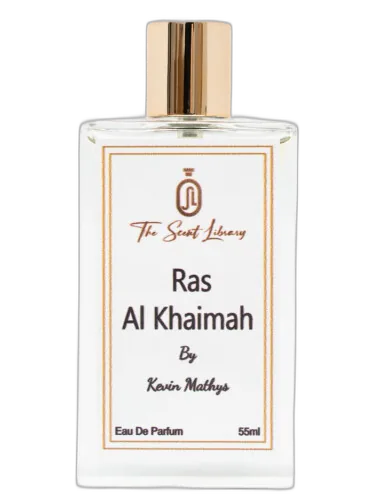
The Scent Library
Ras Al Khaimah The Scent Library
Shared top notes: mandarin
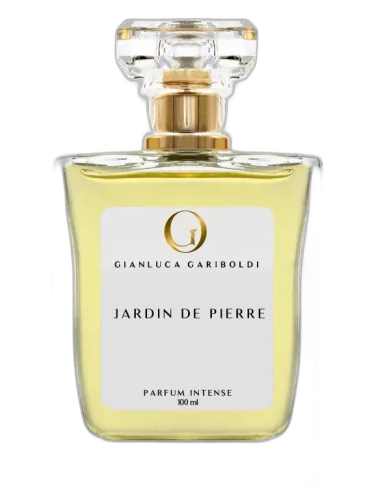
Gianluca Gariboldi
Jardin De Pierre Gianluca Gariboldi
Shared top notes: cardamom

Frederic M
Ambre Frederic M
Shared top notes: cardamom, mandarin
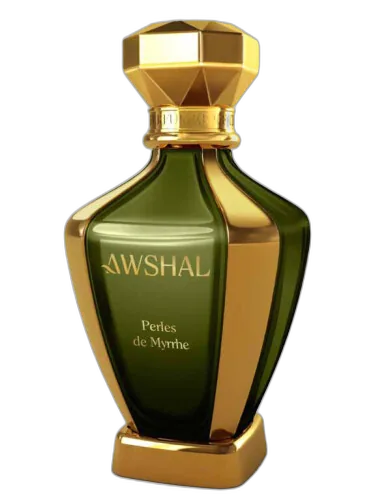
Awshal
Perles De Myrrhe Awshal
Shared top notes: cardamom
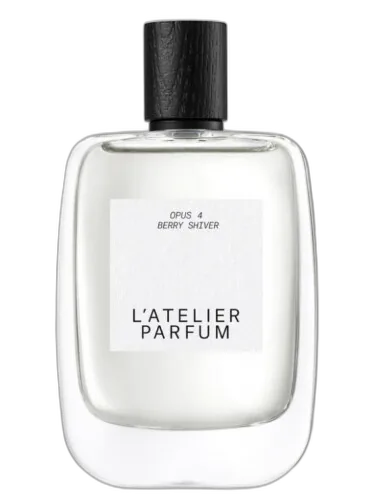
L'Atelier Parfum
Berry Shiver L'atelier Parfum
Shared top notes: cardamom, mandarin