


Perles De Myrrhe Awshal
At a glance
Is Perles De Myrrhe Awshal worth trying?
Perles de Myrrhe by Awshal is a Oriental Floral fragrance for women and men.
- Best match
- Evening, Special Occasion wear in Fall, Winter
- Performance feel
- Very Good longevity with Strong sillage
- Signature profile
- warm spicy, amber, white floral with Cardamom, Peach, Jasmine
The first impression
Perles de Myrrhe by Awshal is a Oriental Floral fragrance for women and men. This is a new fragrance. Perles de Myrrhe was launched in 2024. The nose behind this fragrance is Bruno Jovanovic. Top notes are Cardamom and Peach; middle notes are Jasmine and Damask Rose; base notes are Myrrh, Patchouli and Cedarwood.
What shapes the scent
The perfumer behind it

Bruno Jovanovic
Bruno Jovanovic is a versatile perfumer whose work spans multiple brands, including A Lab on Fire, Abercrombie & Fitch, Al-Jazeera Perfumes, Amouage, Avon, and Awshal. His catalog features Almost Transparent Blue, Fierce, 380, Moscow, Opus Xii - Rose Incense, The Library Collection Rose Incense, Crystal Aura, and Perles De Myrrhe. Jovanovic's compositions range from fresh and sporty to rich and incense-laden, demonstrating his broad expertise.
Notes pyramid
Top Notes
First impression · 15-30 min
 Cardamom
 Peach
Peach
Heart Notes
Core character · 2-4 hours
 Jasmine
 Damask Rose
Base Notes
Lasting impression · 4+ hours
 Myrrh
Myrrh
 Patchouli
Cedarwood
Patchouli
Cedarwood
The mood it creates
The Alchemist Archetype: Portrait of Perles De Myrrhe Awshal
Essence
The lover of Perles De Myrrhe Awshal is an Alchemist-one who seeks transformation, depth, and the hidden meanings beneath the surface of life. This fragrance, with its dark, resinous myrrh, smoky incense, and elusive spices, speaks to a soul drawn to the mystical, the rare, and the sacred. The Alchemist does not merely wear a scent; they embody an aura of quiet intensity, a bridge between the earthly and the arcane.
Like the philosopher’s stone, they are both seeker and catalyst, turning the mundane into something profound. Yet, as with all archetypes, their brilliance casts a shadow-one of isolation, obsession, or a tendency to lose themselves in the labyrinth of their own mind.
Style & Aesthetic
In art, they gravitate toward the enigmatic-the paintings of Remedios Varo, the films of Tarkovsky, the music of Dead Can Dance. They appreciate craftsmanship but disdain ostentation; their luxury is subtle, almost secretive. A single, perfectly aged bottle of wine shared with a kindred spirit means more to them than any public display of wealth.
Their personal style is an extension of their inner world: layers of dark, rich fabrics, perhaps a single striking piece of jewelry-an antique signet ring or a pendant with obscure symbolism. They move through the world with a quiet magnetism, not seeking attention but often receiving it nonetheless.
Their world is one of deliberate aesthetics. Their home is not merely decorated but curated-dark woods, aged brass, shelves lined with esoteric books and artifacts collected from travels or inherited from ancestors. They prefer textures that tell stories: worn leather, raw silk, the weight of a well-crafted pen in their hand.
Their philosophy is not one of rigid dogma but of fluid inquiry. They might be drawn to Sufi poetry, alchemical texts, or the writings of Jung himself, seeing in these works not answers but mirrors for their own unfolding understanding. They believe in the power of symbols, in the unseen threads connecting all things.
Relationships
They do not collect acquaintances. Their friendships are few but intense, built on shared intellectual or spiritual pursuits. Romantic partners must be willing to navigate their depths-to understand that solitude is not rejection but a necessity. They crave connection but fear dissolution, and so they oscillate between profound intimacy and guarded withdrawal.
Their love is not possessive but transformative; they seek someone who will grow alongside them, not someone to complete them. Yet, their shadow may emerge here-an unconscious expectation that others should decipher them, leading to frustration when their complexity is met with simplicity.
Shadow
The Alchemist’s greatest strength-their depth-can become their prison. When their introspection tips into solipsism, they risk losing touch with the tangible world. Their search for meaning may devolve into paralysis, a perpetual waiting for the "right" moment to act.
They may also harbor a subtle arrogance, a belief that their understanding of life’s mysteries elevates them above those content with the superficial. This can breed loneliness, a self-imposed exile from the very world they wish to transform.
Conclusion
At their best, the Alchemist is a guide-not a preacher, but a fellow traveler who illuminates paths without insisting others follow. They learn, in time, that wisdom is not hoarded but shared, that the true philosopher’s stone is not a secret to be kept but a light to be passed on.
They come to see their shadow not as an enemy but as a teacher, a reminder that even the most profound truths must be lived, not merely contemplated. And in this balance, they find their greatest alchemy: the transformation of solitude into communion, of knowledge into wisdom, of scent into soul.
If you like this, try these
Fragrances with a comparable profile - shared accords, notes, and character.
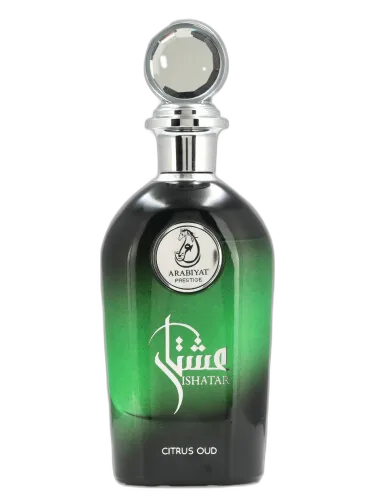
Arabiyat
Ishatar Citrus Oud Arabiyat
Shared top notes: cardamom
L'Artisan Parfumeur
À Fleur De Pêche L'artisan Parfumeur
Shared top notes: peach
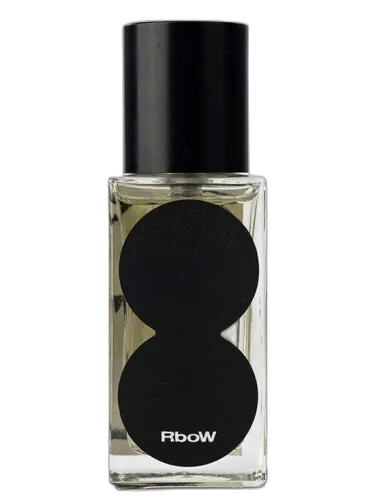
RboW
Case Study #3 O.a.c Rbow
Shared top notes: cardamom
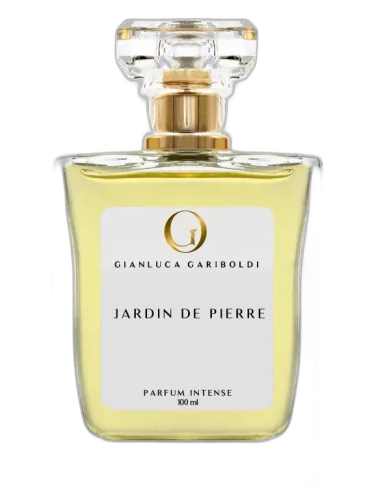
Gianluca Gariboldi
Jardin De Pierre Gianluca Gariboldi
Shared top notes: cardamom
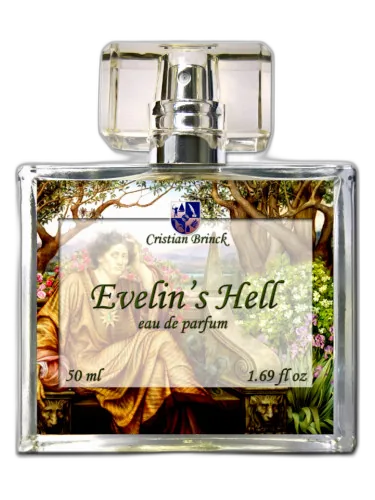
Cristian Brinck
Evelin’s Hell Cristian Brinck
Shared heart notes: damask rose, jasmine