
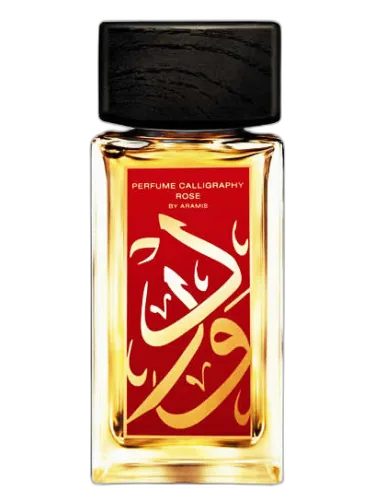

Perfume Calligraphy Rose Aramis
At a glance
Is Perfume Calligraphy Rose Aramis worth trying?
Perfume Calligraphy Rose by Aramis is a Oriental fragrance for women and men.
- Best match
- Evening wear in Fall
- Performance feel
- Very Good longevity with Strong sillage
- Signature profile
- amber, rose, warm spicy with Saffron, Oregano, Honeysuckle
The first impression
Perfume Calligraphy Rose by Aramis is a Oriental fragrance for women and men. Perfume Calligraphy Rose was launched in 2013. The nose behind this fragrance is Trudi Loren. Top notes are Saffron, Oregano and Honeysuckle; middle notes are Turkish Rose, Myrrh, Styrax and Lavender; base notes are Olibanum, Labdanum, Ambergris and Musk.
What shapes the scent
The perfumer behind it

Trudi Loren
Trudi Loren is a perfumer who contributed to the Aramis brand with the fragrance Perfume Calligraphy Rose. This scent is part of the Aramis collection, known for its sophisticated and elegant compositions. Loren's work reflects a focus on refined floral notes.
Notes pyramid
Top Notes
First impression · 15-30 min
 Saffron
 Oregano
 Honeysuckle
Heart Notes
Core character · 2-4 hours
 Turkish Rose
 Myrrh
Myrrh
 Styrax
 Lavender
Base Notes
Lasting impression · 4+ hours
Olibanum
 Labdanum
 Ambergris
 Musk
Musk
The mood it creates
The Sage Archetype: Portrait of Perfume Calligraphy Rose Aramis
Essence
The person who cherishes Perfume Calligraphy Rose Aramis is most closely aligned with the Sage archetype-a seeker of wisdom, a connoisseur of beauty, and a guardian of the refined. This fragrance, with its interplay of velvety rose, smoky incense, and aged leather, speaks to a mind that values depth, tradition, and the subtle artistry of life. The Sage does not merely consume; they curate, interpret, and elevate. Their existence is a manuscript written in careful strokes, where every choice-from the books they read to the company they keep-is deliberate.
Yet, the Sage is not merely an intellectual. They are sensualists in disguise, finding philosophy in the curve of a wine glass, the texture of parchment, or the lingering warmth of oud on skin. They are drawn to the paradoxes of existence: the sacred and the profane, the ephemeral and the eternal.
Shadow
Their tastes are an alchemy of the old world and the avant-garde. They might collect first editions of Borges or Pessoa, yet keep a well-worn notebook of their own aphorisms. Their home is a sanctuary of dark wood, Persian rugs, and the faint scent of aged paper. They prefer tailored garments-cashmere, silk, structured blazers-that whisper rather than shout. Their aesthetic is not ostentatious, but it is unmistakably theirs.
Philosophically, they are drawn to thinkers who embrace contradiction: Nietzsche for his dance with chaos, Rumi for his ecstatic melancholy, Camus for his stubborn insistence on meaning in an indifferent universe. They do not seek answers so much as they savor the questions.
In relationships, they are magnetic but not easily known. They attract admirers who mistake their depth for mystery, only to find that the Sage does not surrender intimacy lightly. Their love is a slow-burning ember, not a wildfire. They value loyalty, but their standards are exacting-few are permitted past the gates of their inner world.
Their greatest strength is their discernment. They see what others overlook-the hidden meaning in a glance, the unspoken tension in a room. They are the confidant who listens with the patience of a monk and advises with the precision of a surgeon. When they speak, their words carry weight.
But the Sage’s shadow is detachment. Their love of wisdom can become a retreat from life, a fortress of books and ideas shielding them from the messy, unpredictable demands of human connection. They may grow impatient with those who do not share their depth, dismissing them as shallow. At their worst, they become the Hermit, isolating themselves in a self-made labyrinth of intellect, where even their solitude begins to taste like dust.
Conclusion
The Sage’s journey is one of balance-knowing when to wield knowledge and when to relinquish control. Calligraphy Rose Aramis is their olfactory manifesto: a fragrance that is both structured and wild, disciplined yet indulgent. It is the scent of someone who has learned that wisdom is not just in the mind, but in the body, in the way the heart beats when beauty strikes without warning.
They are not saints, nor are they cynics. They are the ones who pause at dusk, watching the light fade over city rooftops, knowing that the most profound truths are often written in vanishing ink.
If you like this, try these
Fragrances with a comparable profile - shared accords, notes, and character.
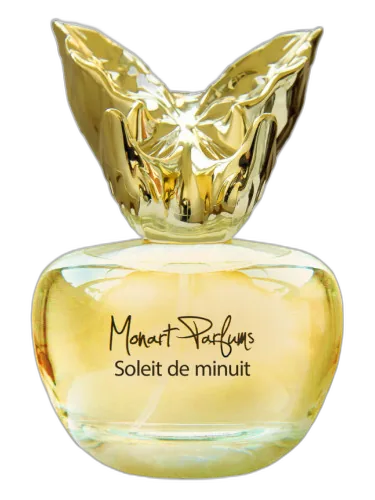
Monart Parfums
Soleil De Minuit Monart Parfums
Shared top notes: saffron
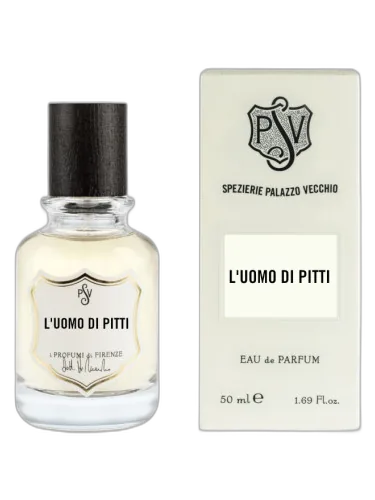
I Profumi di Firenze
L'uomo Di Pitti I Profumi Di Firenze
Shared heart notes: lavender, styrax

Amarsi Fragrances
Saffron Madness Amarsi Fragrances
Shared top notes: saffron
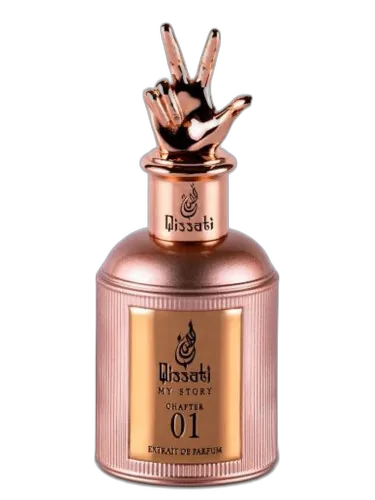
Qissati
Qissati Chapter 01 Qissati
Shared top notes: saffron
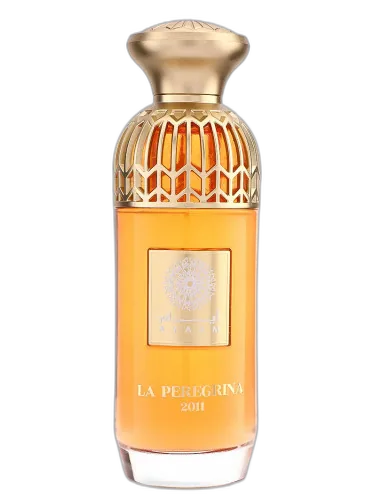
Ayaam Perfumes
La Peregina 2011 Ayaam Perfumes
Shared top notes: saffron