
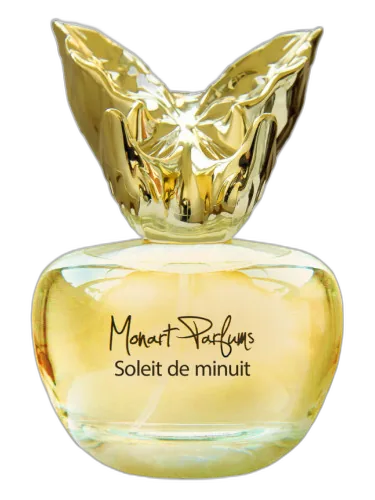

Soleil De Minuit Monart Parfums
At a glance
Is Soleil De Minuit Monart Parfums worth trying?
Soleil de minuit by Monart Parfums is a Oriental Woody fragrance for women.
- Best match
- Evening wear in Winter
- Performance feel
- Very Good longevity with Strong sillage
- Signature profile
- woody, warm spicy, amber with Dry Wood, Saffron, Incense
The first impression
Soleil de minuit by Monart Parfums is a Oriental Woody fragrance for women. Soleil de minuit was launched in 2019. Top notes are Dry Wood, Saffron, Incense and Bergamot; middle notes are Sandalwood, Guaiac Wood, Juniper, Patchouli and Cypriol Oil or Nagarmotha; base notes are Labdanum and Musk.
What shapes the scent
The perfumer behind it

Notes pyramid
Top Notes
First impression · 15-30 min
 Dry Wood
 Saffron
 Incense
 Bergamot
Heart Notes
Core character · 2-4 hours
 Sandalwood
 Guaiac Wood
 Juniper
 Patchouli
 Cypriol Oil or Nagarmotha
Base Notes
Lasting impression · 4+ hours
 Labdanum
 Musk
Musk
The mood it creates
The Sage Archetype: Portrait of Soleil De Minuit Monart Parfums
Essence
To wear Soleil De Minuit is to embrace paradox-a fragrance that marries the warmth of amber with the cool mystery of incense, evoking the image of a sun that refuses to set. The person who chooses this scent is not merely drawn to its olfactory richness but to its symbolism: they are a seeker of hidden truths, a thinker who thrives in the liminal space between light and shadow. Their dominant archetype is the Sage, the eternal student of life, whose greatest joy lies in unraveling the world’s enigmas.
They are introspective but not withdrawn, curious but not reckless. Their mind is a labyrinth of ideas, and their presence carries an air of quiet authority-not the kind that demands obedience, but the kind that invites contemplation. They move through life as if perpetually on the verge of an epiphany, their gaze lingering just a moment longer than most, as though deciphering some invisible script written in the air.
Shadow
Yet wisdom, when unchecked, can become its own prison. Their relentless analysis can paralyze them-always searching for deeper meaning, they risk missing the simplicity of lived experience. They may withdraw too far into their mind, mistaking solitude for enlightenment and detachment for objectivity.
Their skepticism, while a shield against naivety, can harden into cynicism. They may dismiss emotion as irrational, forgetting that some truths are not logical but visceral. At their worst, they become the recluse, the knower who no longer engages with the world but merely observes it from a distance, as if life were a text to be studied rather than a story to be lived.
Conclusion
Their tastes are refined but never ostentatious. They prefer the understated elegance of well-crafted materials-a leather-bound journal, a finely tailored coat, a single piece of antique jewelry with a story. Their home is a sanctuary of thought: shelves lined with philosophy, mythology, and esoteric texts; a writing desk cluttered with half-finished notes; a single candle burning, casting long shadows that dance like silent interlocutors.
They are drawn to art that demands interpretation-symbolist paintings, avant-garde cinema, music that lingers in minor keys. Their philosophy is not dogmatic but fluid, a tapestry woven from Nietzsche’s will to power, Jung’s collective unconscious, and a touch of Eastern mysticism. They believe in the transformative power of knowledge but are wary of those who claim to possess absolute truth.
In relationships, they are selective. They do not crave constant companionship but value deep, intellectual connections. Their love is not possessive but inquisitive-they want to unravel the layers of those they hold dear, not to control them but to understand them. Their conversations are meandering, punctuated by long silences that are neither awkward nor empty but filled with unspoken reflection.
If you like this, try these
Fragrances with a comparable profile - shared accords, notes, and character.
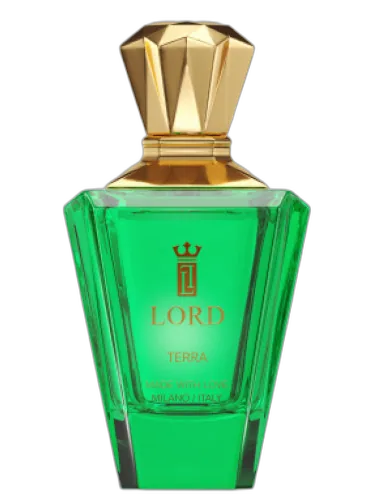
Lord Milano
Terra Lord Milano
Shared top notes: incense, saffron
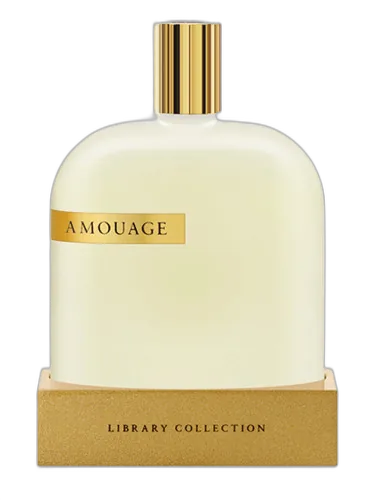
Amouage
The Library Collection Opus Vi Amouage
Shared top notes: incense
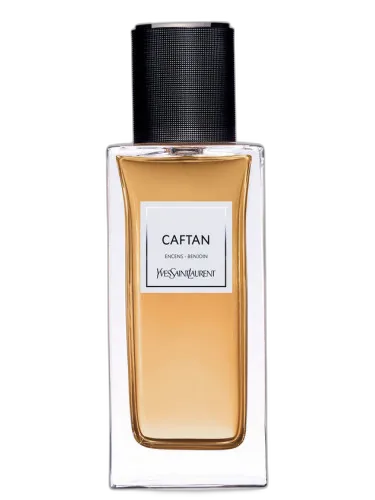
Yves Saint Laurent
Caftan Yves Saint Laurent
Shared top notes: bergamot
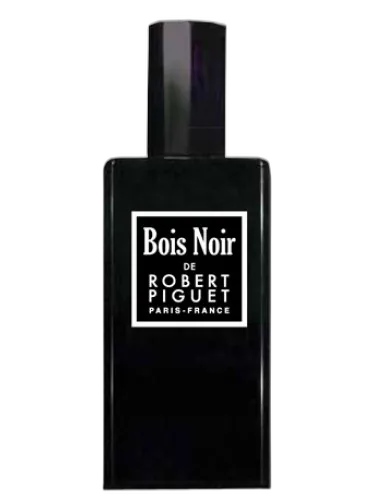
Robert Piguet
Bois Noir Robert Piguet
Shared heart notes: patchouli, sandalwood

Karakash Perfume
Mystic Desert Karakash Perfume
Shared top notes: incense, saffron