
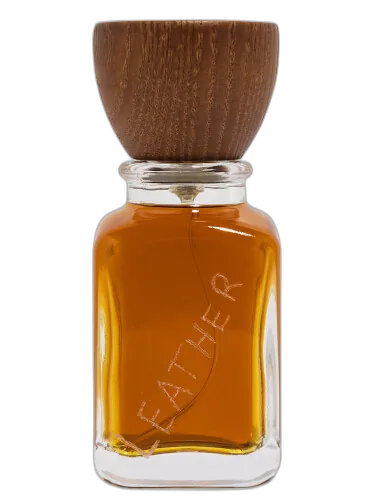
Leather Is My Love Language Aromas De Salazar
At a glance
Is Leather Is My Love Language Aromas De Salazar worth trying?
Leather is My Love Language by Aromas de Salazar is a Leather fragrance for women and men.
- Best match
- Evening wear in Fall
- Performance feel
- Excellent longevity with Strong sillage
- Signature profile
- woody, aromatic, fresh spicy with Black Currant, Juniper Berries, Thyme
The first impression
Leather is My Love Language by Aromas de Salazar is a Leather fragrance for women and men. This is a new fragrance. Leather is My Love Language was launched in 2024. The nose behind this fragrance is Michael Salazar.
What shapes the scent
The perfumer behind it

Michael Salazar
Michael Salazar is the founder and perfumer behind Aromas de Salazar, an independent brand based in the United States. His catalog includes a wide range of scents, from gourmands like Cafe Fiesta and Blueberry Morning to floral chypres such as Blueberry Chypre. He often experiments with tinctures and unique accords, as seen in Cafe Fiesta Tincture Edition and Cafe Oud 2023.
Notes pyramid
All Notes
Complete scent profile
 Black Currant
 Juniper Berries
 Thyme
Thyme
 Pomegranate
 Black Leather
 Chamomile
 Lavender
 Tansy
Tansy
 Osmanthus
 Mastic or Lentisque
 Choya Ral
 Labdanum
 Hinoki Wood
 Guaiac Wood
 Oakmoss
 Angelica Root
 Allspice
 Cardamom
Siam Benzoin
Cardamom
Siam Benzoin
 Ambrette
 Musk
Musk
The mood it creates
The Lover Archetype: Portrait of Leather Is My Love Language Aromas De Salazar
Essence
The one who favors Leather Is My Love Language by Aromas De Salazar is not merely a wearer of scents but a bearer of symbols. Their essence aligns most closely with the Outlaw-a figure who defies convention, embraces raw authenticity, and thrives in the tension between rebellion and devotion. Leather, as their chosen olfactory signature, is more than material; it is an emblem of resilience, sensuality, and a refusal to be tamed.
This archetype is not lawless for the sake of chaos but challenges boundaries to carve out a space where passion and principle coexist. The Outlaw does not submit to the expected; they rewrite the rules, often with a smirk and a steady gaze.
Style & Aesthetic
Their tastes are bold, textured, and unrefined in the most deliberate way. They prefer the weight of well-worn leather over the fragility of silk, the grit of a dimly lit bar over the sterility of a corporate lounge. Their wardrobe is a study in contrasts-structured yet lived-in, polished yet rebellious. A tailored jacket with scuffed boots, a sleek watch paired with a tattoo peeking from beneath a cuff.
In fragrance, they seek depth-smoke, spice, and the faintest hint of animalic musk. Leather Is My Love Language suits them because it does not whisper; it asserts. It is unafraid of being noticed, just as they are.
They thrive in environments where spontaneity and discipline collide. Perhaps an artist who keeps ruthless work hours, a entrepreneur who flouts tradition, or a traveler who finds home in movement. Routine suffocates them, but they are not reckless-they know how to harness chaos.
Their home reflects this duality: minimal yet warm, with carefully chosen objects that tell stories. A vintage typewriter, a well-loved guitar, a shelf of dog-eared philosophy books. They surround themselves with things that feel alive, not decorative.
Philosophy & Values
They live by a code, though it is one they have written themselves. Their philosophy is rooted in the belief that life must be seized, not merely endured. They reject hollow authority, but their defiance is not nihilistic-it is a demand for authenticity.
Loyalty is paramount, but it must be earned. They despise hypocrisy and will walk away from anything that feels like a cage, be it a relationship, a job, or a social expectation. Their love is fierce but conditional: they give fully but expect the same in return.
Relationships
They attract and are attracted to those who match their intensity. Their relationships are deep but never easy-they demand honesty, even when it burns. They are not the type to settle into domestic complacency; they need partners who understand that love is not ownership but an alliance of free spirits.
Yet, their shadow emerges here: their fear of confinement can make them restless. They may leave before they are left, mistaking vulnerability for weakness. Their independence, while admirable, can become isolation if unchecked.
Shadow
The Outlaw’s strength is also their flaw. Their refusal to conform can harden into stubbornness; their distrust of authority can blind them to wisdom that comes from experience. They may mistake recklessness for courage, abandoning stability before understanding its value.
At their worst, they become the very thing they despise-a prisoner of their own defiance, trapped in a cycle of resistance without purpose. The leather that once symbolized freedom becomes armor, keeping others at a distance.
Conclusion
The finest version of this person is not the one who burns bridges but the one who builds their own. They learn that true strength is not in rejecting all chains but in choosing which ones to wear. Leather, after all, softens with time-it does not lose its character but becomes more supple, more forgiving.
When they embrace this wisdom, they become not just a rebel, but a revolutionary-one who disrupts not for destruction’s sake, but to make space for something truer. And in that space, they find that love, like leather, only grows richer with wear.
If you like this, try these
Fragrances with a comparable profile - shared accords, notes, and character.
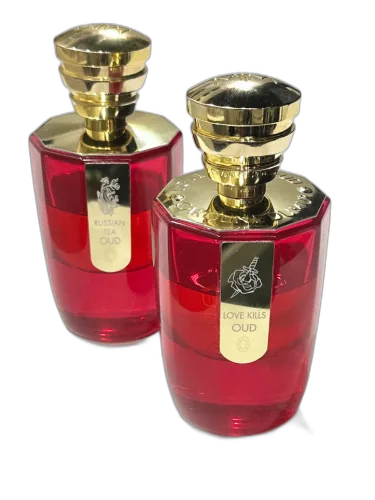
Masque Milano
Love Kills Oud Masque Milano
Shared top notes: black currant, labdanum
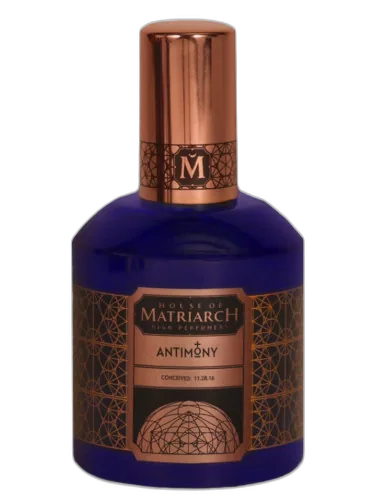
House of Matriarch
Antimony House Of Matriarch
Shared accords: amber, aromatic, balsamic
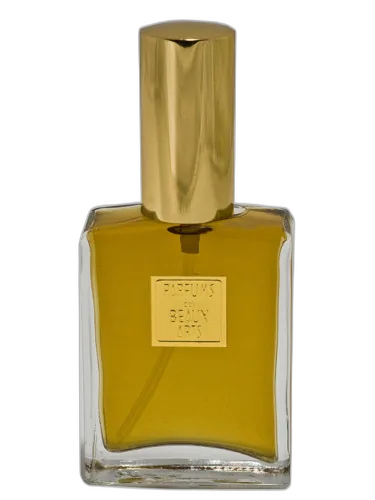
DSH Perfumes
Megaleion Dsh Perfumes
Shared top notes: cardamom, labdanum, oakmoss
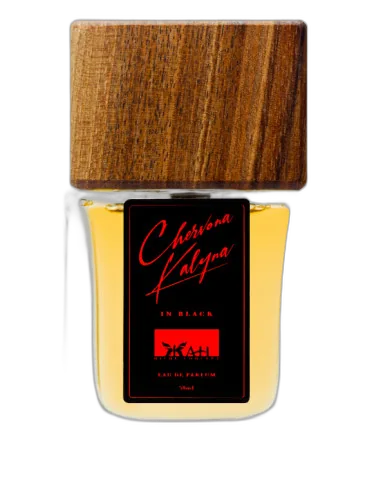
Jan Niche Concept
Chervona Kalyna In Black Jan Niche Concept
Shared top notes: lavender
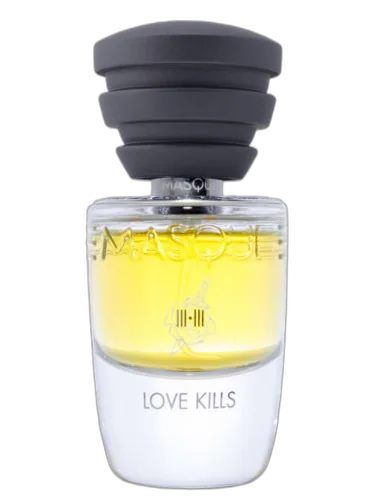
Masque Milano
Love Kills Masque Milano
Shared accords: amber, aromatic, balsamic