
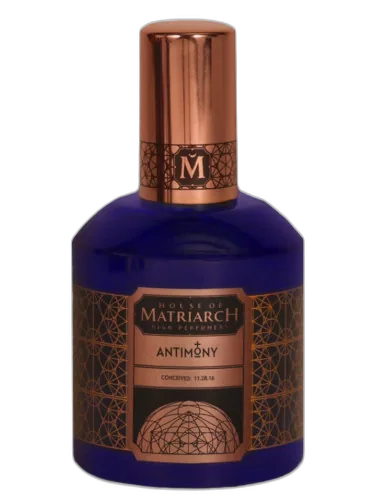
Antimony House Of Matriarch
At a glance
Is Antimony House Of Matriarch worth trying?
Antimony by House of Matriarch is a Oriental Floral fragrance for women and men.
- Best match
- Evening wear in Fall
- Performance feel
- Excellent longevity with Strong sillage
- Signature profile
- woody, amber, aromatic with Ash, Olibanum, Palo Santo
The first impression
Antimony by House of Matriarch is a Oriental Floral fragrance for women and men. Antimony was launched in 2016. The nose behind this fragrance is Christi Meshell.
What shapes the scent
The perfumer behind it

Christi Meshell
Christi Meshell is the founder and perfumer of House of Matriarch, a niche fragrance house based in the Pacific Northwest. Her extensive catalog includes A World Of Blue, Albatross, Alpha, Amanita, Amberchris, Ambre Vie, and Antimony. Her scents are known for their natural and organic ingredients, often inspired by the landscapes of the region.
Notes pyramid
All Notes
Complete scent profile
 Ash
Ash
 Olibanum
 Palo Santo
 Copal
Copal
 Sandalwood
 Mitti Attar
 Pandanus
 Henna
Nard Himalayan (Jatamansi)
Henna
Nard Himalayan (Jatamansi)
 Kadam
Kadam
 Agarwood (Oud)
 Butter
 Rose
Rose
 Galanga
The mood it creates
The Lover Archetype: Portrait of Antimony House Of Matriarch
Essence
The one who wears Antimony by House of Matriarch is not merely a connoisseur of fragrance but a seeker of transformation. Their essence aligns most closely with the Sage, the Jungian archetype of wisdom, introspection, and the relentless pursuit of truth. Like the alchemical substance from which the scent takes its name, they are drawn to the process of refinement-turning base experiences into gold. They do not merely exist; they decipher.
Yet, the Sage is not without shadows. The same intellect that illuminates can also isolate, and the hunger for knowledge may devour the simple joys of living. The lover of Antimony walks this razor’s edge-between enlightenment and detachment, between wisdom and arrogance.
Relationships
They do not suffer fools, but neither do they dismiss them outright-instead, they observe, analyze, and file away insights like a scholar cataloging rare manuscripts. Their closest bonds are with those who can match their intellectual intensity, who understand that silence between them is not emptiness but a shared language.
Yet, their shadow emerges here: they may mistake emotional distance for depth. They can be so preoccupied with understanding love that they forget to feel it. Partners may accuse them of coldness, not realizing that their detachment is not indifference but a fear of being consumed by chaos.
Shadow
When unbalanced, the Sage becomes the Hierophant-not the wise teacher, but the dogmatic gatekeeper. They may grow impatient with those who do not share their insights, dismissing simpler pleasures as "unworthy." Their pursuit of knowledge can curdle into elitism, their introspection into solipsism.
But the true test of their wisdom is whether they recognize this shadow before it hardens into dogma. The lover of Antimony must remember that alchemy is not just about transforming lead into gold-it is also about embracing the lead, the weight of the human condition.
Conclusion
Their tastes are deliberate, almost ritualistic. They favor the obscure over the obvious, the layered over the immediate. In art, they are drawn to symbolism-the surrealism of Dalí, the occult geometries of Hilma af Klint. In music, they prefer compositions that demand decoding: the haunting minimalism of Arvo Pärt, the labyrinthine jazz of Kamasi Washington. Their home is a curated sanctuary, filled with rare books, antique curios, and perhaps a single black orchid-a living paradox of beauty and austerity.
Their philosophy is one of becoming. They do not believe in fixed identities, only in the perpetual motion of the self. Stoicism appeals to them, but so does the mysticism of Rumi. They are as likely to meditate as they are to dissect Nietzsche’s Thus Spoke Zarathustra under a dim lamp at midnight.
If you like this, try these
Fragrances with a comparable profile - shared accords, notes, and character.
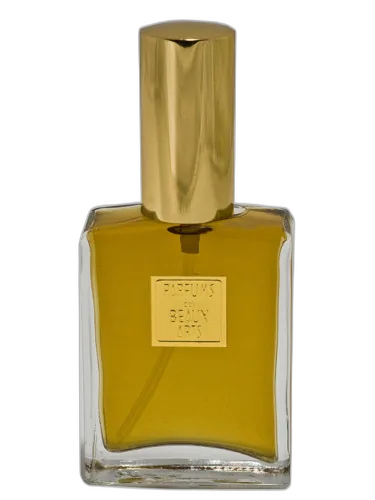
DSH Perfumes
Megaleion Dsh Perfumes
Shared top notes: agarwood (oud), nard himalayan (jatamansi), olibanum
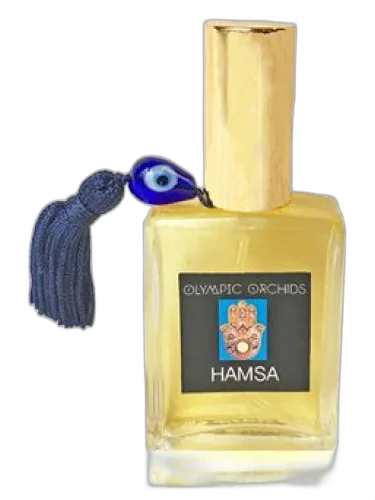
Olympic Orchids Artisan Perfumes
Hamsa Olympic Orchids Artisan Perfumes
Shared top notes: agarwood (oud), olibanum, palo santo
Solstice Scents
Incensum Solstice Scents
Shared top notes: agarwood (oud), copal, nard himalayan (jatamansi)
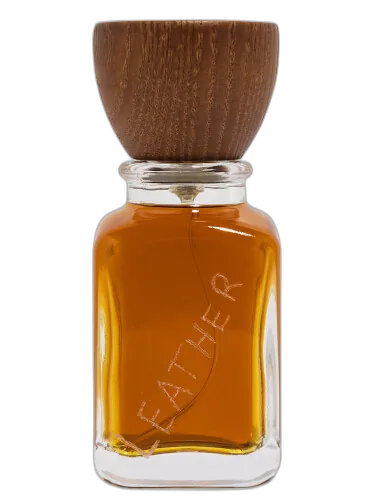
Aromas de Salazar
Leather Is My Love Language Aromas De Salazar
Shared accords: amber, aromatic, balsamic
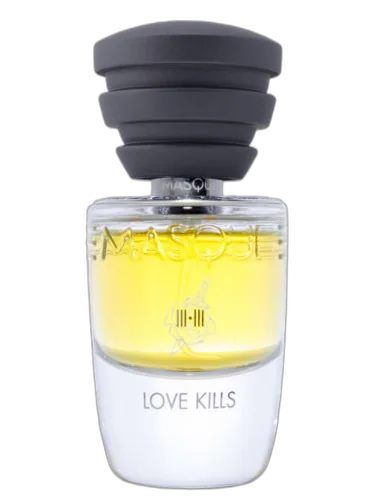
Masque Milano
Love Kills Masque Milano
Shared top notes: rose