
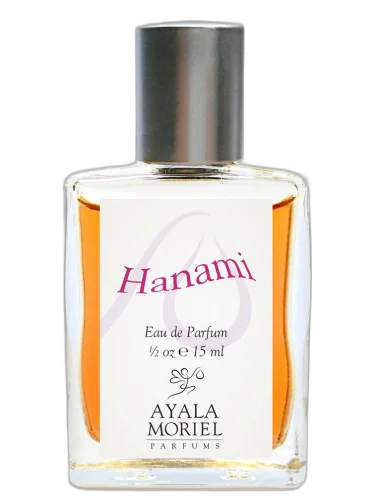

Hanami Ayala Moriel
At a glance
Is Hanami Ayala Moriel worth trying?
Hanami by Ayala Moriel is a Oriental Floral fragrance for women.
- Best match
- Casual wear in Spring
- Performance feel
- Good longevity with Moderate sillage
- Signature profile
- floral, woody, ozonic with Copahu Balm, Violet Leaf, Vetyver
The first impression
Hanami by Ayala Moriel is a Oriental Floral fragrance for women. The nose behind this fragrance is Ayala Moriel.
What shapes the scent
The perfumer behind it

Ayala Moriel
Ayala Moriel is an independent perfumer and natural fragrance specialist based in Vancouver, Canada. Her olfactory style emphasizes botanical ingredients and complex, evocative compositions that often draw from nature, art, and cultural traditions. Notable creations from her catalog include the resinous and woody <3, the dark and licorice-forward Black Licorice, and the seasonal, earthy Autumn. Her work has helped define the modern natural perfumery movement, inspiring a deeper appreciation for plant-based scent artistry.
Notes pyramid
All Notes
Complete scent profile
 Copahu Balm
 Violet Leaf
 Vetyver
 Mimosa
Woodsy Notes
Mimosa
Woodsy Notes
 Frangipani
Cassis
Frangipani
Cassis
 Lotus
Lotus
 Magnolia
Vanille
Pink Nerium Oleander
Magnolia
Vanille
Pink Nerium Oleander
 Sandalwood
The mood it creates
The Hanami Ayala Moriel Enthus Archetype: Portrait of Hanami Ayala Moriel
Essence
At the heart of this person lies the Innocent archetype-a soul who seeks purity, beauty, and transcendence in a world often marred by cynicism. The Innocent is not naïve, but rather chooses to see the world through a lens of wonder, believing in the possibility of harmony and grace. Hanami Ayala Moriel, with its delicate cherry blossom sweetness, powdery softness, and subtle green freshness, speaks to this archetype. It is a fragrance that does not shout but whispers, evoking fleeting moments of serenity-much like the Innocent’s own philosophy.
Style & Aesthetic
This person moves through life with an almost poetic attentiveness to beauty. Their tastes are refined but never ostentatious; they prefer the understated elegance of Japanese minimalism, the quiet luxury of linen and unbleached cotton, the muted pastels of early spring. Their home is a sanctuary-sparsely decorated, yet each object holds meaning: a hand-thrown ceramic cup, a single branch in a vase, a well-worn book of haiku.
They are drawn to art that captures ephemerality-the cherry blossom’s brief glory, the fading light of dusk. Music for them is often ambient, meditative, or classically restrained. They might favor Satie’s Gymnopédies or the hushed tones of Arvo Pärt. Their philosophy leans toward Zen or Taoist thought-finding depth in simplicity, wisdom in stillness.
Relationships
In love and friendship, they are tender but guarded. They do not give their trust easily, for the Innocent fears betrayal-the moment when idealism crashes against reality. Yet once they do trust, they are deeply loyal, offering a quiet, steady presence rather than grand gestures. Their relationships thrive on shared silences, mutual appreciation of beauty, and an unspoken understanding.
Romantically, they seek a partner who mirrors their own depth-someone who can appreciate the sacred in the mundane. They are not drawn to passion that burns too fiercely; they prefer the slow, steady warmth of companionship. However, their reluctance to engage in conflict-preferring harmony over necessary confrontation-can lead to unresolved tensions.
Shadow
The Innocent’s greatest weakness is their fear of corruption-of the world’s harshness staining their inner sanctum. This can manifest as escapism, a retreat into aesthetic idealism to avoid life’s messier truths. When faced with adversity, they may withdraw rather than fight, clinging to beauty as a shield.
At their worst, they risk becoming passively detached, so committed to preserving their inner peace that they neglect the demands of reality. They may struggle with decisiveness, always seeking the "perfect" choice rather than accepting imperfection. Their avoidance of conflict can make them seem distant or even indifferent, though their heart is far from cold.
Conclusion
Yet when this person integrates their shadow, they become something rare-a gentle force of resilience. They learn that true innocence is not ignorance but the courage to remain open in a world that often rewards hardness. Their love of fleeting beauty becomes not an escape, but a way of honoring life’s transience.
They are the quiet philosopher who finds profundity in a dewdrop, the artist who paints not for acclaim but for the act itself. Their life is a testament to the belief that softness is not weakness-that in a world of noise, there is power in stillness, in the scent of cherry blossoms carried away by the wind.
Hanami Ayala Moriel is their olfactory manifesto: delicate, profound, and achingly transient-just like the soul who wears it.
If you like this, try these
Fragrances with a comparable profile - shared accords, notes, and character.
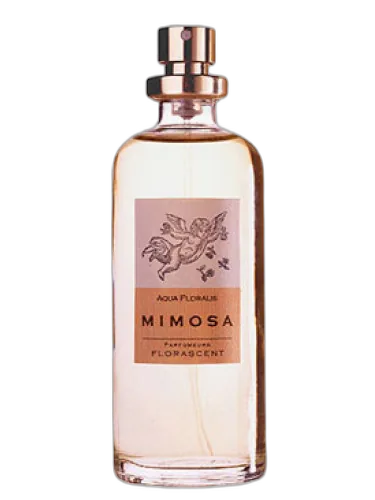
Florascent
Mimosa Florascent
Shared top notes: violet leaf
Aftelier
Violet Ambrosia Aftelier
Shared top notes: mimosa, sandalwood, violet leaf
Providence Perfume Co.
Violet Beauregarde Providence Perfume Co.
Shared top notes: mimosa, sandalwood, violet leaf
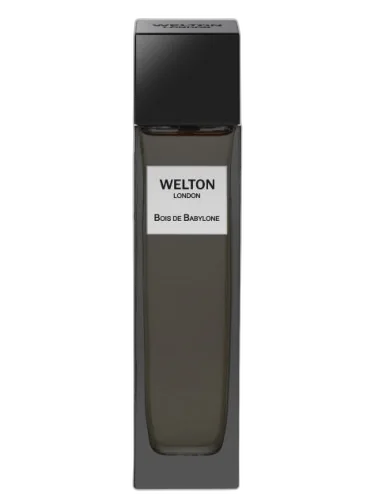
Welton London
Bois De Babylone Eau De Parfum Welton London
Shared top notes: violet leaf
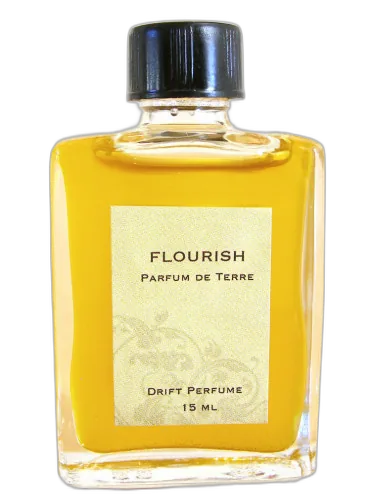
Drift Parfum de Terre
Flourish Drift Parfum De Terre
Shared top notes: sandalwood, violet leaf