
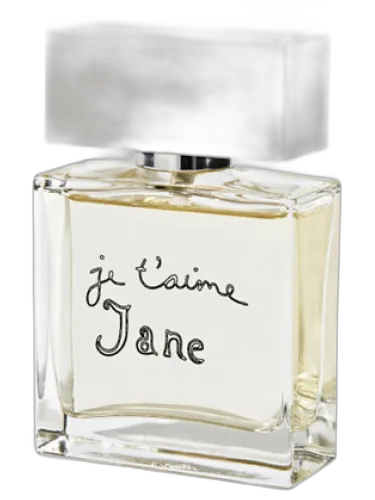

Je T'aime Jane Bella Freud
Fragrance Story
Je t'aime Jane by Bella Freud is a Oriental Floral fragrance for women. Je t'aime Jane was launched in 2014. Je t'aime Jane was created by Christian Provenzano and Beverley Bayne. Top notes are Ylang-Ylang, Bergamot, Mandarin Orange, Peach and Geranium; middle notes are Jasmine, Tuberose, Orange Blossom, Rose and Hyacinth; base notes are Myrhh, Patchouli, Agarwood (Oud), Sandalwood, Amber, Vanilla, Olibanum and Tonka Bean.
Composition Profile
About the Perfumer

Beverley Bayne
Beverley Bayne is a perfumer with a diverse portfolio including Accessorize's Lovelily, Aether's Ultrae, and Agent Provocateur's Blue Silk. She has also created fragrances for Anima Vinci, Bella Freud, and Clive Christian, such as 1872 Mandarin and Amber Absolute Oil. Her work spans both niche and luxury markets, often featuring rich, complex blends.
Fragrance Notes
Top Notes
First impression · 15-30 min
 Ylang-Ylang
 Bergamot
 Mandarin Orange
 Peach
Peach
 Geranium
Heart Notes
Core character · 2-4 hours
 Jasmine
 Tuberose
 Orange Blossom
 Rose
Rose
 Hyacinth
Base Notes
Lasting impression · 4+ hours
 Myrhh
Myrhh
 Patchouli
.jpg) Agarwood (Oud)
Agarwood (Oud)
 Sandalwood
 Amber
Amber
 Vanilla
Olibanum
Vanilla
Olibanum
 Tonka Bean
Je T'aime Jane Bella Freud by Bella Freud offers a distinctive olfactory experience that stands out from other fragrances in its category.
Crafted with the finest ingredients and a blend of traditional and modern perfumery techniques, this fragrance represents the pinnacle of the perfumer's art.
Je T'aime Jane Bella Freud embodies the distinctive style of Bella Freud while adding a unique chapter to their fragrance portfolio.
Character Profile
The Lover Archetype: Portrait of Je T'aime Jane Bella Freud
Essence
To wear Je T'aime Jane Bella Freud is to embrace the intoxicating dance of desire and intellect-a fragrance that blends warmth, spice, and an undercurrent of mystery. The person who chooses this scent is not merely drawn to its olfactory allure; they embody the Lover archetype, a figure ruled by passion, aestheticism, and the pursuit of deep emotional and sensory experiences.
This is someone who lives through the senses, finding meaning in beauty, touch, and the poetry of human connection. They are not content with superficial pleasures; they crave intensity, whether in love, art, or thought. Their philosophy is one of immersion-life must be felt, tasted, and savored, not merely observed.
Their style reflects this: elegant yet provocative, classic with a twist of rebellion. They might favor tailored silhouettes with unexpected textures-silk that catches the light, leather that whispers of adventure, or vintage jewelry that carries the weight of history. Their surroundings mirror this same sensibility: a home filled with art, books, and objects that tell stories, each piece chosen for its emotional resonance rather than mere trend.
Style & Aesthetic
They thrive in environments that allow for self-expression-creative fields, the arts, or any domain where emotion and intellect intersect. Routine is their enemy; they seek novelty not for its own sake, but because stagnation feels like a betrayal of life’s potential.
Their philosophy is one of radical presence-they believe in living fully, even at the risk of heartbreak. They would rather burn brightly than dim themselves for the comfort of others. This can make them seem reckless, but their recklessness is deliberate-a refusal to live half-heartedly.
Philosophy & Values
For them, love is not a passive state but an active force-something to be pursued, shaped, and occasionally destroyed in the name of authenticity. They are drawn to people who stimulate them, whether through intellect, passion, or shared aesthetic obsessions. Their relationships are deep, often tumultuous, because they refuse to settle for the mundane.
Yet, this intensity is both their gift and their curse. They demand much from those they love, sometimes overwhelming others with their need for emotional depth. Their shadow emerges when passion tips into possessiveness, when the pursuit of beauty becomes an obsession with perfection. They may struggle with jealousy, not out of pettiness, but because they fear the fading of intensity-the slow death of desire in the face of routine.
Shadow
Yet, like all archetypes, the Lover has its dark side. Their pursuit of intensity can lead to excess-emotional volatility, an inability to endure the mundane, or a tendency to romanticize pain. They may mistake drama for depth, conflating suffering with meaning.
At their worst, they can become trapped in cycles of longing, always chasing the next thrill, the next perfect moment, never satisfied. The very passion that fuels them can also isolate them-few can match their emotional fervor, leaving them feeling perpetually misunderstood.
Conclusion
To know this person is to witness a life painted in bold strokes-joy and sorrow, ecstasy and melancholy, all embraced with equal fervor. They are not for the faint of heart, but for those who dare to engage with them deeply, they offer a rare gift: the reminder that to feel is to be alive.
They are the Lover, not in the trivial sense of romance, but in the grand, Nietzschean sense-one who worships at the altar of experience, who sees beauty as truth, and who would rather be destroyed by passion than untouched by it.
Similar Fragrances
Fragrances with a comparable profile - shared accords, notes, and character.

E. Coudray
Rose Tubereuse E. Coudray
Shared accords: amber, fresh spicy, rose
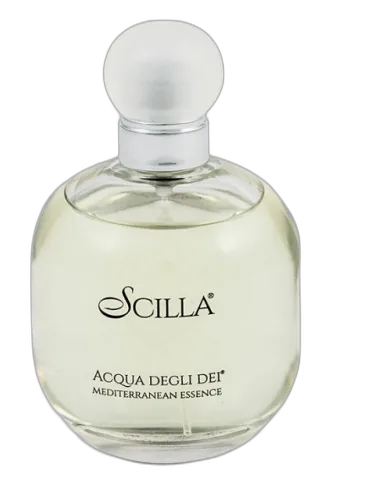
Acqua degli Dei
Scilla Acqua Degli Dei
Shared accords: amber, citrus, fresh spicy
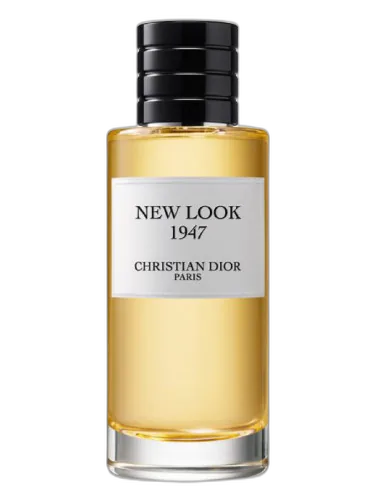
Dior
New Look 1947 Dior
Shared accords: amber, floral, rose
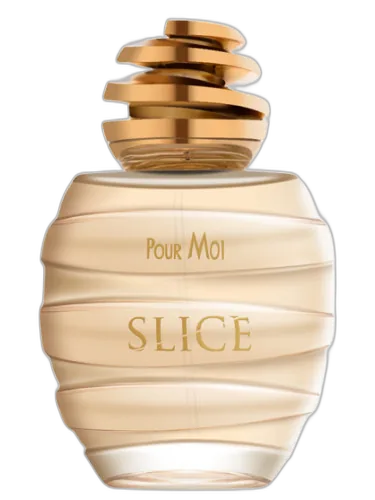
PourMoi
Slice Pourmoi
Shared accords: citrus, floral, fresh spicy
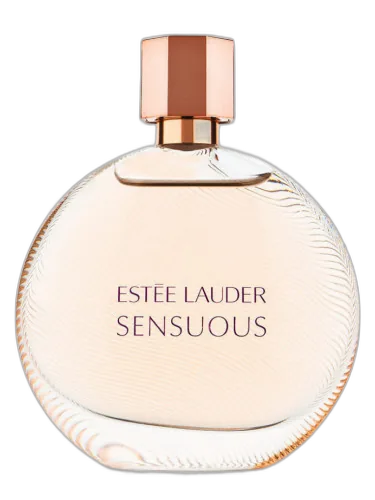
Estée Lauder
Sensuous Eau De Toilette Estée Lauder
Shared accords: amber, citrus, floral