


Mira-bai Chopard
At a glance
Is Mira-bai Chopard worth trying?
Mira-Bai by Chopard is a Oriental Vanilla fragrance for women.
- Best match
- Evening, Special Occasion wear in Fall, Winter
- Performance feel
- Good longevity with Moderate sillage
- Signature profile
- fruity, woody, vanilla with Peach, Black Currant, Plum
The first impression
Mira-Bai by Chopard is a Oriental Vanilla fragrance for women. Mira-Bai was launched in 1998. The nose behind this fragrance is Mark Buxton. Top notes are Peach, Black Currant, Plum and Bergamot; middle notes are Brazilian Rosewood, Rose and Jasmine; base notes are Vanilla, Sandalwood, Amber and Cedar.
What shapes the scent
The perfumer behind it

Mark Buxton
Mark Buxton is a renowned perfumer whose creations include Dead Air for .Oddity, Elixir De Bombe for 27 87, and Orchid Vanilla for 4711. His diverse portfolio spans avant-garde, woody, and floral scents for both niche and classic brands. He is celebrated for his innovative and unconventional style.
Notes pyramid
Top Notes
First impression · 15-30 min
 Peach
Peach
 Black Currant
 Plum
Plum
 Bergamot
Heart Notes
Core character · 2-4 hours
 Brazilian Rosewood
 Rose
Rose
 Jasmine
Base Notes
Lasting impression · 4+ hours
 Vanilla
 Sandalwood
 Amber
Amber
 Cedar
Cedar
The mood it creates
The Mystic Archetype: Portrait of Mira-bai Chopard
Essence
The Mystic archetype seeks the transcendent, the sacred hidden within the mundane. Mira-bai is the fragrance of a soul in quiet communion with the divine. It opens with a lush, almost sacred offering of peach, black currant, and plum, a sweetness that feels both earthly and otherworldly. The heart is a temple of Brazilian rosewood, rose, and jasmine, a floral incense that rises like a prayer. The base of vanilla, sandalwood, amber, and cedar is a warm, resinous foundation, a place of deep meditation and inner peace. This scent is not worn; it is inhabited.
Style & Aesthetic
The Mystic's style is ethereal and timeless, favoring flowing fabrics in natural, muted tones like ivory, ochre, and deep burgundy. They might wear a long, handwoven scarf, a simple linen dress, or a piece of jewelry with spiritual significance, like a mala or a crystal. Their aesthetic is one of intentional simplicity, where every object has meaning and energy. They are drawn to textures like silk, wool, and raw cotton, and they often incorporate elements from nature, such as dried flowers or wooden beads, into their appearance.
Philosophy & Values
The Mystic values inner wisdom, compassion, and the interconnectedness of all things. They believe that the material world is a reflection of a deeper, spiritual reality. Their philosophy is one of non-attachment and presence, seeking to transcend the ego and experience unity with the cosmos. They are guided by intuition and a sense of purpose, often feeling called to a path of service or creative expression. They value silence, solitude, and the sacredness of everyday moments, finding the divine in a sunset, a cup of tea, or a kind word.
Relationships
The Mystic's relationships are deep and soulful, based on a recognition of shared spirit rather than superficial connection. They are drawn to other seekers, artists, and healers, forming bonds that feel fated or karmic. They are a compassionate listener and a gentle guide, offering wisdom without judgment. However, they can be elusive, needing long periods of solitude to recharge and connect with their inner world. A partner must respect their need for space and understand that their love is a quiet, steady presence, not a fiery passion.
Lifestyle
The Mystic's life is a series of sacred rituals. They might begin the day with meditation, yoga, or a gratitude journal. Their home is a sanctuary, filled with altars, candles, incense, and plants. They are drawn to practices like breathwork, chanting, or walking in nature. They eat mindfully, often choosing simple, whole foods. They are likely to be found in a quiet corner of a library, a garden, or a temple. Their life is a slow, deliberate dance of presence, where every action is an offering.
Shadow
The Mystic's shadow is a tendency towards detachment or spiritual bypassing, using transcendence as an escape from worldly responsibilities or emotional pain. They may become aloof, judgmental of those who are more materialistic, or lost in a fantasy of enlightenment. The shadow of the Mystic is a loneliness that comes from feeling too different, too otherworldly to fully connect. They must learn that true spirituality is not about escaping the world, but about bringing the sacred into it, grounding their wisdom in compassionate action.
Conclusion
Mira-bai is the scent of a soul at prayer, a rich tapestry of fruits, flowers, and woods that evokes the mystery of the divine. It captures the Mystic's essence: the sweet, sacred offering, the floral incense of devotion, and the warm, grounding presence of inner peace. This is a perfume for those who walk between worlds, who seek the unseen, and who know that the greatest journey is the one inward.
If you like this, try these
Fragrances with a comparable profile - shared accords, notes, and character.

Leonard
L'orchidée Leonard
Shared top notes: bergamot, black currant, peach

Laura Biagiotti
Venezia 2011 Laura Biagiotti
Shared top notes: black currant, peach, plum
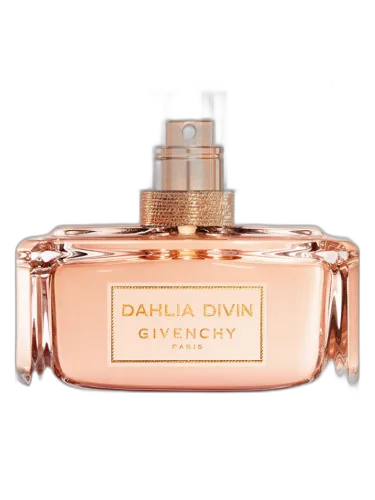
Givenchy
Dahlia Divin Eau De Toilette Givenchy
Shared top notes: black currant, peach

O Boticário
Glamour Myriad O Boticário
Shared top notes: bergamot, peach, plum
Cosmogony
Сleopatra's Eye Nebula Cosmogony
Shared top notes: bergamot, peach