
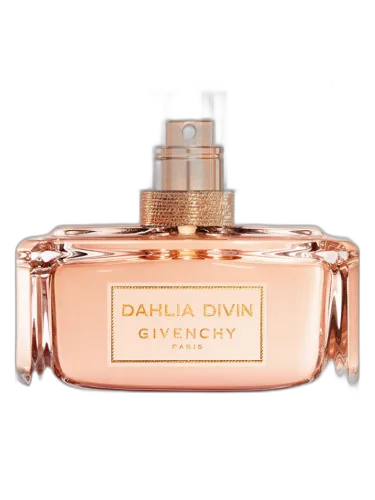

Dahlia Divin Eau De Toilette Givenchy
At a glance
Is Dahlia Divin Eau De Toilette Givenchy worth trying?
Dahlia Divin Eau de Toilette by Givenchy is a Floral Fruity fragrance for women.
- Best match
- Evening wear in Spring
- Performance feel
- Good longevity with Moderate sillage
- Signature profile
- fruity, citrus, woody with Peach, Blood Orange, Black Currant
The first impression
Dahlia Divin Eau de Toilette by Givenchy is a Floral Fruity fragrance for women. Dahlia Divin Eau de Toilette was launched in 2015. Dahlia Divin Eau de Toilette was created by François Demachy and Michel Almairac. Top notes are Peach, Blood Orange and Black Currant; middle notes are Jasmine and Rose; base notes are Vanilla, Patchouli, Sandalwood and Musk.
What shapes the scent
The perfumer behind it

François Demachy
François Demachy is a renowned French perfumer best known for his long tenure as the in-house perfumer for Dior, but he has also created extensively for Acqua di Parma. His work for Acqua di Parma includes the Blu Mediterraneo line, such as Arancia La Spugnatura and Mirto Di Panarea, as well as luxury leather and oud compositions. Demachy's style is characterized by classic elegance, natural ingredients, and a mastery of Mediterranean and woody accords.
Notes pyramid
Top Notes
First impression · 15-30 min
 Peach
Peach
 Blood Orange
 Black Currant
Heart Notes
Core character · 2-4 hours
 Jasmine
 Rose
Rose
Base Notes
Lasting impression · 4+ hours
 Vanilla
 Patchouli
 Sandalwood
 Musk
Musk
The mood it creates
The Lover Archetype: Portrait of Dahlia Divin Eau De Toilette Givenchy
Essence
To wear Dahlia Divin is to embrace a paradox-softness with strength, delicacy with depth. This fragrance, with its luminous floral heart wrapped in creamy vanilla and almond, speaks of a person who thrives on beauty, connection, and the pursuit of pleasure. They are, at their core, an embodiment of The Lover archetype-one who seeks harmony, sensuality, and emotional richness in all things.
Shadow
Yet, like all archetypes, The Lover has its darkness. Their pursuit of beauty can tip into vanity; their need for connection can become dependency. They may grow resentful when their devotion is not reciprocated in equal measure, or they may lose themselves in the act of pleasing others, forsaking their own boundaries.
At their worst, they can be possessive, mistaking intensity for intimacy. They may fear abandonment so deeply that they smother those they love, or they may retreat into hedonism when disillusioned, seeking solace in fleeting pleasures rather than enduring truths. Their greatest challenge is to love without losing themselves-to merge without dissolving.
Conclusion
Their world is one of curated elegance, where every detail-from the drape of fabric to the arrangement of flowers-is an extension of their inner landscape. They are drawn to textures that beg to be touched, colors that shimmer in shifting light, and spaces that feel both intimate and inviting. Their taste leans toward the romantic but never veers into excess; there is restraint in their opulence, a discipline beneath the indulgence.
Philosophically, they believe life should be an act of devotion-to love, to art, to the fleeting moments that make existence vivid. They are not content with mere survival; they demand rapture. Their values center on authenticity in emotion, depth in relationships, and the courage to embrace vulnerability. They despise coldness, indifference, and the transactional nature of modern life.
If you like this, try these
Fragrances with a comparable profile - shared accords, notes, and character.
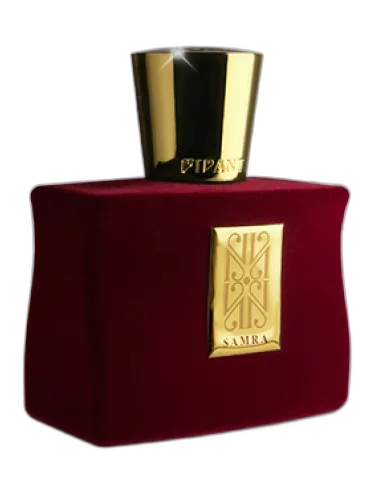
Vivant
Samra Vivant
Shared heart notes: jasmine, rose

Decorté
Kimono Kihin Decorté
Shared top notes: peach
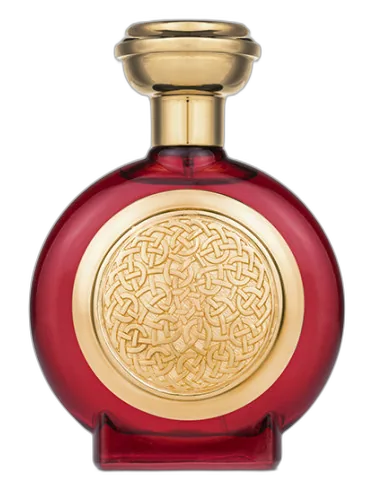
Boadicea the Victorious
Rouge Temptation Boadicea The Victorious
Shared top notes: peach

Laverne
The Last Dance Laverne
Shared heart notes: jasmine, rose
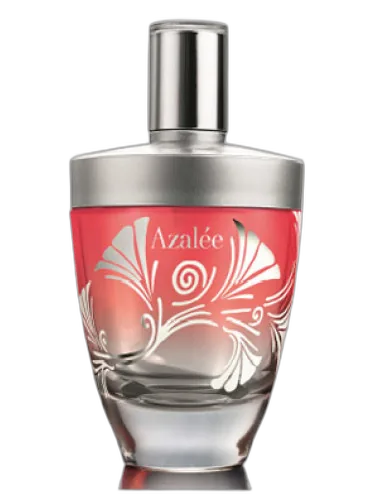
Lalique
Azalee Lalique
Shared top notes: peach