


Nébuleuse Du Papillon Chouette Vierge Parfumée
Fragrance Story
Nébuleuse du Papillon by Chouette Vierge Parfumée is a Oriental Floral fragrance for women and men. This is a new fragrance. Nébuleuse du Papillon was launched in 2024. The nose behind this fragrance is Hoang Nguyen. Top notes are Red Wine, Amaretto, Chocolate and Citruses; middle notes are Narcissus, Immortelle, Lotus, Rose, Tuberose, Jasmine and Violet; base notes are Civet, Castoreum, Musk, Tobacco, Patchouli, Sandalwood, Cinnamon, Amber and Honey.
Composition Profile
About the Perfumer

Hoang Nguyen
Hoang Nguyen is a perfumer known for his work with the Chouette Vierge Parfumée line, where he has created an extensive series of fragrances. His olfactory style is characterized by a minimalist and conceptual approach, often exploring the interplay of light and shadow through subtle, airy compositions. Notable creations include the entire Chouette Vierge numbered collection, from Zero through No. 11, which showcases his ability to build a cohesive yet varied olfactory narrative around a central theme.
Fragrance Notes
Top Notes
First impression · 15-30 min
 Red Wine
 Amaretto
 Chocolate
 Citruses
Heart Notes
Core character · 2-4 hours
 Narcissus
 Immortelle
 Lotus
Lotus
 Rose
Rose
 Tuberose
 Jasmine
 Violet
Base Notes
Lasting impression · 4+ hours
 Civet
Civet
 Castoreum
 Musk
Musk
 Tobacco
 Patchouli
 Sandalwood
 Cinnamon
 Amber
Amber
 Honey
Honey
Nébuleuse Du Papillon Chouette Vierge Parfumée by Chouette Vierge Parfumée offers a distinctive olfactory experience that stands out from other fragrances in its category.
Crafted with the finest ingredients and a blend of traditional and modern perfumery techniques, this fragrance represents the pinnacle of the perfumer's art.
Nébuleuse Du Papillon Chouette Vierge Parfumée embodies the distinctive style of Chouette Vierge Parfumée while adding a unique chapter to their fragrance portfolio.
Character Profile
The Lover Archetype: Portrait of Nébuleuse Du Papillon Chouette Vierge Parfumée
Essence
This person is defined by the Mystic archetype, a seeker of the intangible, a wanderer between worlds. They are drawn to the ethereal, the poetic, and the enigmatic-qualities embodied in the fragrance they adore. Nébuleuse Du Papillon Chouette Vierge Parfumée, with its elusive blend of delicate florals, smoky woods, and a whisper of spice, mirrors their own nature: a paradox of lightness and depth, clarity and obscurity.
The Mystic does not merely wear a scent; they inhabit it. For them, fragrance is an invocation, a way to conjure moods and memories that lie just beyond the grasp of ordinary perception. They are not content with the obvious or the literal-they crave the sublime, the half-seen, the almost-forgotten.
Style & Aesthetic
Their appearance is an extension of their inner world-deliberately ambiguous, neither entirely bohemian nor minimalist, but something in between. They favor flowing fabrics, soft layers, and textures that suggest movement: gauzy scarves, worn-in leather, linen that wrinkles like parchment. Their color palette leans toward muted tones-dusty lavender, fog-gray, the deep green of moss-with occasional flashes of something unexpected: a single gold earring, a ribbon of crimson silk.
They wear fragrance not to be noticed but to alter their own atmosphere, like a spell cast upon the self.
They are selectively intimate, forming few but profound connections. Their love is not possessive but reverent-they see their partner as both a person and a symbol, a mirror of their own searching soul. They are drawn to fellow wanderers, artists, and thinkers who understand the language of silence.
Their home is a sanctuary of curated chaos: stacks of books, dried flowers, candles burned to stubs. They might keep a journal filled with fragments-lines of poetry, sketches of clouds, pressed petals from forgotten walks. Their lifestyle is unhurried but not idle; they move through the world with a quiet intensity, as if every step were part of a private ritual.
Philosophy & Values
Their worldview is one of poetic idealism, where reality is a canvas for metaphor. They believe in the unseen threads connecting all things-dreams, symbols, and synchronicities hold more weight than brute facts. They might speak of love as a "collision of constellations" or describe sorrow as "the shadow of a moth’s wing." Their philosophy is not rigid but fluid, shaped by intuition and a quiet defiance of the mundane.
They value depth over dogma, preferring questions to answers. Organized religion may feel stifling, but they are drawn to mysticism-Zen koans, Sufi poetry, or the quiet reverence of a forest at dusk. They do not worship gods but moments: the way light filters through leaves, the scent of rain on old stone, the hush before dawn.
Conclusion
The Mystic’s greatest strength-their ability to transcend the ordinary-can also be their downfall. When reality becomes too harsh, they may retreat into abstraction, using beauty as a shield against pain. They might romanticize suffering, weaving it into poetry rather than confronting it. Their relationships can suffer if they treat people as symbols rather than flesh-and-blood beings with needs.
Similar Fragrances
Fragrances with a comparable profile - shared accords, notes, and character.
Chouette Vierge Parfumée
Nébuleuse Du Papillon Chouette Vierge Parfumée
Shared accords: animalic, floral, leather

Suhad Perfumes
Al Wasel Suhad Perfumes
Shared accords: animalic, leather, powdery
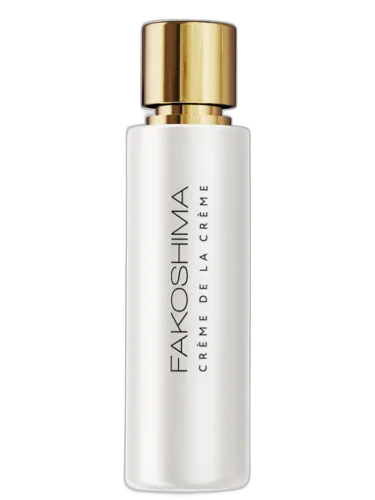
Fakoshima
Crème De La Crème Fakoshima
Shared accords: animalic, leather, musky

Dzintars
Jurmala 3 Dzintars
Shared accords: animalic, musky, powdery
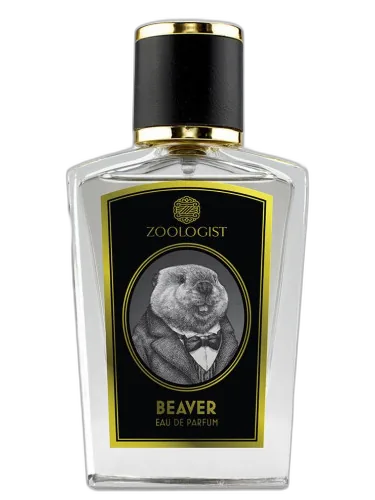
Zoologist Perfumes
Beaver Zoologist Perfumes
Shared accords: animalic, floral, leather