


Wonderwood Comme Des Garcons
At a glance
Is Wonderwood Comme Des Garcons worth trying?
Wonderwood by Comme des Garcons is a Woody fragrance for men.
- Best match
- Evening wear in Fall
- Performance feel
- Very Good longevity with Strong sillage
- Signature profile
- woody, fresh spicy, aromatic with Virginia Cedar, Sandalwood, Cypress
The first impression
Wonderwood by Comme des Garcons is a Woody fragrance for men. Wonderwood was launched in 2010. The nose behind this fragrance is Antoine Lie.
What shapes the scent
The perfumer behind it

Antoine Lie
Antoine Lie is a French perfumer trained at Givaudan and known for his work with brands like Burberry and Avon. His style often blends bold contrasts, pairing fresh or woody accords with unexpected gourmand or metallic touches. He created the earthy, resinous Sequoia for Abbott New York City and the spicy, incense-laced Sword for CZAR, showcasing his skill with complex, atmospheric compositions.
Notes pyramid
All Notes
Complete scent profile
Virginia Cedar
 Sandalwood
 Cypress
Madagascar Pepper
Vetyver
Cypress
Madagascar Pepper
Vetyver
 Guaiac Wood
 Incense
 Agarwood (Oud)
 Cashmeran
 Nutmeg
 Bergamot
 Caraway
 Patchouli
The mood it creates
The Sage Archetype: Portrait of Wonderwood Comme Des Garcons
Essence
The person who gravitates toward Wonderwood by Comme des Garçons is most closely aligned with the Sage archetype-a seeker of truth, drawn to the raw essence of things, unadorned by artifice. The Sage values wisdom, introspection, and the quiet power of nature. They are not merely intellectual but deeply sensory, finding meaning in textures, scents, and the unspoken. Wonderwood, with its austere yet warm composition of cedar, sandalwood, and vetiver, mirrors this archetype: it is contemplative, grounded, and subtly commanding.
Yet, like all archetypes, the Sage has a shadow-one that risks detachment, over-analysis, or a reluctance to engage with the messiness of human emotion. The Wonderwood wearer is no exception.
Style & Aesthetic
Their wardrobe is a study in restraint. They favor natural fabrics-linen, wool, raw cotton-in muted, earthy tones. Their clothing is well-made but never ostentatious; they prefer garments that age gracefully, acquiring character over time. There is an androgynous quality to their style, a refusal to be confined by gendered expectations.
Their living space is sparse but deliberate. Wooden furniture, unvarnished and solid. A few well-chosen books, a single piece of abstract art, perhaps a bonsai or a stone sculpture. They do not clutter their surroundings-or their mind-with excess.
They rise early, savoring the quiet hours before the world wakes. Their mornings are ritualistic-black coffee, a few pages of a book, a walk through the park. They work in a field that allows for independence: perhaps a writer, an architect, a botanist, or a craftsman. They are not driven by ambition in the traditional sense but by the pursuit of mastery.
They are drawn to forests, mountains, deserts-places where nature dwarfs human concerns. They hike, they meditate, they keep a journal. They may practice woodworking or pottery, finding solace in the tactile.
Yet, their shadow can manifest as inertia. Their love of solitude may tip into isolation; their contemplative nature may become passive observation rather than active engagement. They must guard against becoming too removed, too much a spectator of life rather than a participant.
Philosophy & Values
This person does not believe in easy answers. Their worldview is shaped by a quiet skepticism, a preference for depth over dogma. They are drawn to Zen philosophy, Stoicism, or perhaps the existentialists-thinkers who strip life down to its bare essentials. They value authenticity above all else, despising pretense or hollow social rituals.
Their morality is not rigid but fluid, shaped by experience rather than doctrine. They believe in the wisdom of nature, in the slow growth of trees, in the inevitability of decay. There is a melancholy in their outlook, but not a despairing one-more a recognition that all things must pass, and that beauty lies in transience.
Relationships
They are not a social butterfly, but neither are they a recluse. They prefer small gatherings, deep conversations, and silence that is comfortable rather than awkward. Their friendships are few but enduring, built on mutual respect rather than neediness.
Romantically, they are slow to trust but fiercely loyal once they do. They seek a partner who understands their need for solitude, who does not mistake their quietness for coldness. Their love is not effusive but steady, like the roots of an ancient tree.
Yet, their shadow emerges here: they can be emotionally reserved, even detached. Their preference for introspection sometimes becomes avoidance, a reluctance to engage with the raw, chaotic aspects of intimacy. They may rationalize their feelings rather than feel them, retreating into thought when they should lean into vulnerability.
Conclusion
The Wonderwood wearer is a thinker, a seeker, a quiet force. They find beauty in the unadorned, strength in stillness. But the challenge of their archetype is to remain rooted in the world-to let their wisdom be lived, not just pondered. When they achieve this balance, they are like the forest itself: enduring, wise, and alive with unseen depths.
If you like this, try these
Fragrances with a comparable profile - shared accords, notes, and character.
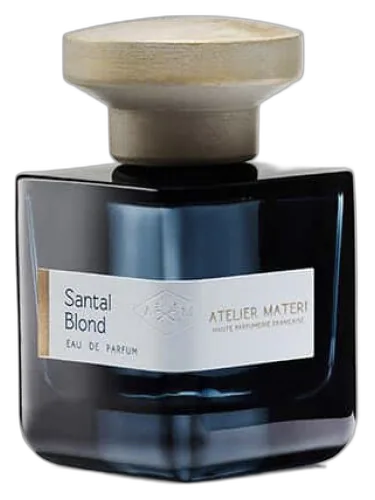
Atelier Materi
Santal Blond Atelier Materi
Shared top notes: bergamot
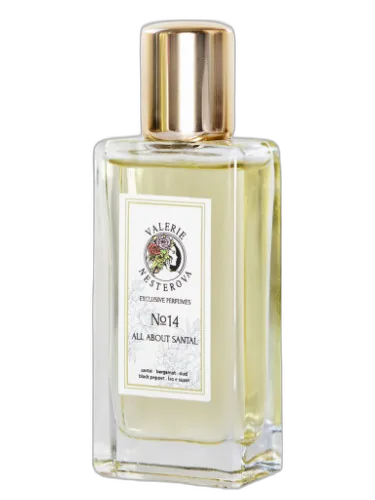
Valerie Nesterova Exclusive Perfumes
Exclusive №14 - All About Santal Valerie Nesterova Exclusive Perfumes
Shared top notes: agarwood (oud), bergamot, sandalwood

Prairie Artisan Fragrances
Driftwood Prairie Artisan Fragrances
Shared top notes: bergamot, cashmeran, guaiac wood
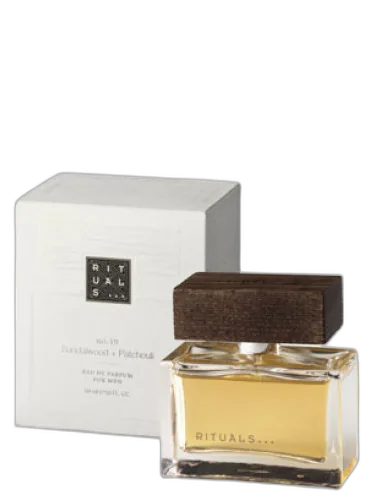
Rituals
No. 19 Sandal Wood & Patchouli Rituals
Shared top notes: guaiac wood, nutmeg, patchouli

Tom Ford
Bois Marocain Tom Ford
Shared top notes: bergamot, cypress, incense