


Bois D'argent Dior
At a glance
Is Bois D'argent Dior worth trying?
Bois d'Argent by Dior is a Woody Chypre fragrance for women and men.
- Best match
- Evening wear in Fall
- Zodiac
- Best for Leo
- Performance feel
- Very Good longevity with Moderate sillage
- Signature profile
- amber, woody, powdery with Iris, Cypress, Juniper Berries
The first impression
Bois d'Argent by Dior is a Woody Chypre fragrance for women and men. Bois d'Argent was launched in 2004. The nose behind this fragrance is Annick Menardo. Top notes are Iris, Cypress and Juniper Berries; middle notes are Myrhh and Patchouli; base notes are Woodsy Notes, Honey, Vanilla, Amber, Resins, Musk and Leather.
What shapes the scent
The perfumer behind it

Annick Menardo
Annick Menardo is a French perfumer known for her work at Firmenich and her bold, modern compositions. She often blends gourmand, woody, and leathery accords, creating fragrances that are both striking and wearable. Her portfolio includes the rich, smoky Figment Man for Amouage and the sophisticated, floral-amber Portrayal Woman, as well as the iconic Azzaro Visit.
Notes pyramid
Top Notes
First impression · 15-30 min
 Iris
Iris
 Cypress
 Juniper Berries
Heart Notes
Core character · 2-4 hours
Myrhh
 Patchouli
Base Notes
Lasting impression · 4+ hours
Woodsy Notes
 Honey
Honey
 Vanilla
 Amber
Amber
 Resins
 Musk
Musk
 Leather
The mood it creates
The Alchemist Archetype: Portrait of Bois D'argent Dior
Essence
The one who chooses Bois D’Argent by Dior is drawn to the alchemy of refinement-an elusive, almost mystical transformation of the ordinary into the extraordinary. This fragrance, with its blend of honeyed woods, powdery iris, and a whisper of incense, is not loud, nor does it seek attention. It is a scent for those who understand that true luxury lies in subtlety, in the quiet mastery of blending opposites: warmth and austerity, sensuality and restraint.
The dominant archetype here is The Alchemist-a figure who seeks to transmute base elements into gold, not in the literal sense, but in the way they shape their world. They are the quiet philosophers of aesthetics, the ones who believe that life, like perfume, is an art of balance and precision.
Relationships
They do not collect friends; they cultivate them. Their circle is small, but each bond is deep, forged through shared silences as much as through conversation. They are drawn to people who possess an inner world-those who can appreciate the weight of an unspoken thought. Romantic partners must pass an unspoken test: can they perceive the poetry in stillness? Can they understand that love, like Bois D’Argent, is not about declaration but about presence?
Yet, this selectivity has its shadow. They can become too detached, mistaking solitude for superiority. There is a risk of coldness, of believing that their refined tastes make them impervious to the messiness of human connection. They may dismiss others as "unworthy" of their depth, not realizing that true alchemy requires engagement with the raw, unrefined materials of life.
Shadow
The Alchemist’s greatest flaw is spiritual arrogance. They may begin to see themselves as above the mundane, forgetting that even gold was once common ore. Their pursuit of perfection can turn into a refusal to accept imperfection-in themselves, in others, in the world. When this happens, their elegance becomes a cage, their wisdom a form of isolation.
There is also the danger of aesthetic stagnation. The very refinement they cherish can harden into dogma. They may reject anything new or unpolished, mistaking novelty for vulgarity. In doing so, they risk becoming relics of their own making-beautiful, but lifeless.
Conclusion
Their tastes are deliberate, never accidental. They prefer the understated elegance of a well-tailored jacket over flashy logos, the muted tones of aged parchment and smoked oak over garish colors. In music, they gravitate toward compositions that unfold slowly-Baroque harpsichord, ambient electronic textures, or the melancholic hum of a cello. Their bookshelf holds works by Borges, Pessoa, and Rilke-writers who dwell in the liminal space between reality and dream.
Their philosophy is one of essentialism: they believe in stripping away excess to reveal the core. This does not mean they reject pleasure-far from it. But pleasure, for them, must be earned, understood, and savored. A sip of aged whiskey is not just a drink; it is a meditation on time. A walk through an autumn forest is not mere exercise; it is a dialogue with decay and renewal.
If you like this, try these
Fragrances with a comparable profile - shared accords, notes, and character.

Moresque
Fiamma Moresque
Shared top notes: cypress, iris, juniper berries

Parfums Vintage
Sublime Musc Parfums Vintage
Shared top notes: cypress, juniper berries
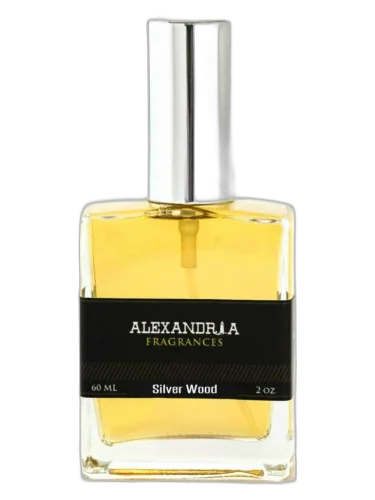
Alexandria Fragrances
Silver Wood Alexandria Fragrances
Shared top notes: cypress, iris, juniper berries

ScentBar
100 Scentbar
Shared top notes: cypress, iris
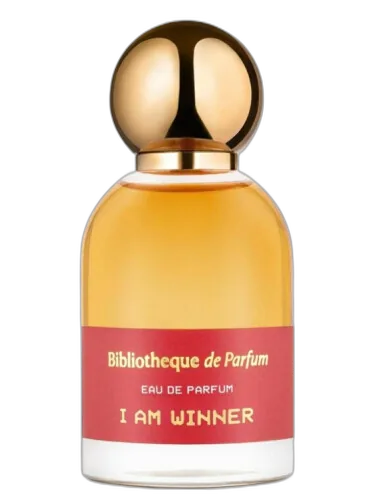
Bibliothèque de Parfum
I Am A Winner Bibliothèque De Parfum
Shared top notes: cypress, iris