
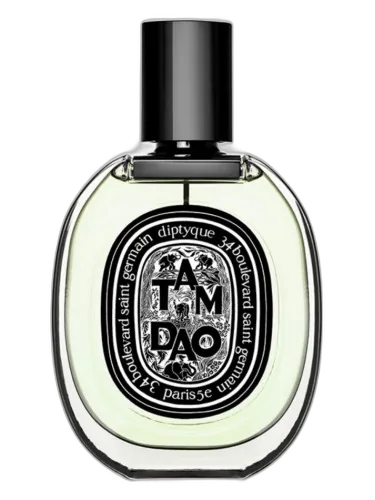

Tam Dao Eau De Parfum Diptyque
Fragrance Story
Tam Dao Eau de Parfum by Diptyque is a Woody fragrance for women and men. Tam Dao Eau de Parfum was launched in 2013. The nose behind this fragrance is Daniel Moliere.
Composition Profile
About the Perfumer

Daniel Moliere
Daniel Moliere is a perfumer who created fragrances for major houses including Cartier's Santos De Cartier, Diptyque's Jardin Clos and Tam Dao Eau De Parfum, and Givenchy's Fleur D'interdit and Insense. He also worked on Chupa Chups' I Love Me Night Fever, Comptoir Sud Pacifique's Eau De Naphe, and Guy Laroche's Clandestine. His portfolio spans diverse styles from fresh to woody.
Fragrance Notes
All Notes
Complete scent profile
 Sandalwood
 Cedar
Cedar
 Amberwood
 Coriander
 Musk
Musk
 Ginger
 Lime
Lime
 Vanilla
Tam Dao Eau De Parfum Diptyque by Diptyque offers a distinctive olfactory experience that stands out from other fragrances in its category.
Crafted with the finest ingredients and a blend of traditional and modern perfumery techniques, this fragrance represents the pinnacle of the perfumer's art.
Tam Dao Eau De Parfum Diptyque embodies the distinctive style of Diptyque while adding a unique chapter to their fragrance portfolio.
Character Profile
The Sage Archetype: Portrait of Tam Dao Eau De Parfum Diptyque
Essence
The Sage archetype seeks truth, clarity, and understanding through contemplation and solitude. Tam Dao embodies this quest with its meditative heart of sandalwood, a wood revered for centuries in spiritual practices for its ability to quiet the mind. The fragrance is a study in simplicity and depth, where cedar and amberwood provide a warm, grounded structure, while ginger and coriander add a subtle, aromatic spark of insight. This is not a scent of loud pronouncements but of quiet, profound knowing.
Style & Aesthetic
The Sage's style is minimalist and intentional, favoring quality over quantity. Their wardrobe consists of natural fibers in earthy tones-linen, wool, and cotton in shades of beige, charcoal, and deep forest green. Their aesthetic is one of uncluttered spaces: a clean desk with a single book, a room lit by soft, warm light. They are drawn to objects with history and purpose, like a well-worn leather journal or a simple ceramic cup. Their presence is calming and authoritative without being imposing.
Philosophy & Values
Wisdom is the Sage's highest value, pursued not for status but for its own sake. They believe in the power of observation and reflection, trusting that answers emerge from stillness rather than frantic action. Integrity and authenticity are non-negotiable; they abhor pretense and superficiality. They value knowledge that is lived and felt, not just learned. Their philosophy is one of continuous learning, understanding that true wisdom is a journey, not a destination.
Relationships
The Sage is a discerning friend, valuing deep, meaningful connections over a wide social circle. They are excellent listeners, offering thoughtful counsel rather than quick fixes. In romantic relationships, they seek a partner who respects their need for solitude and intellectual space. They are loyal and steady, but can be perceived as distant or emotionally reserved. They communicate best through shared silences and thoughtful gestures, not grand declarations.
Lifestyle
Their daily life is structured around rituals that foster focus and calm. Mornings might begin with meditation or a quiet cup of tea. They are drawn to activities that require patience and skill, such as reading, writing, woodworking, or practicing a musical instrument. They prefer quiet evenings at home to crowded social events. Their environment is a sanctuary of order and peace, where every object has its place and purpose.
Shadow
The Sage's shadow is the risk of becoming detached, overly critical, or isolated. Their pursuit of truth can tip into cynicism or a sense of intellectual superiority. They may withdraw from the world, mistaking solitude for wisdom, and miss the messy, vital lessons that come from engagement. Their fear of being wrong can paralyze them, preventing action. The shadow Sage judges others for not being as 'enlightened' and uses knowledge as a shield against vulnerability.
Conclusion
Tam Dao is the olfactory embodiment of the Sage's quiet journey. It is a fragrance for those who find their center not in the noise of the world, but in the deep, resonant silence of their own mind. Like the scent of sandalwood lingering in a temple, it is a reminder that the most profound truths are often found in the simplest, most grounded places.
Similar Fragrances
Fragrances with a comparable profile - shared accords, notes, and character.
Diptyque
Tam Dao Eau De Parfum Diptyque
Shared accords: aromatic, powdery, warm spicy
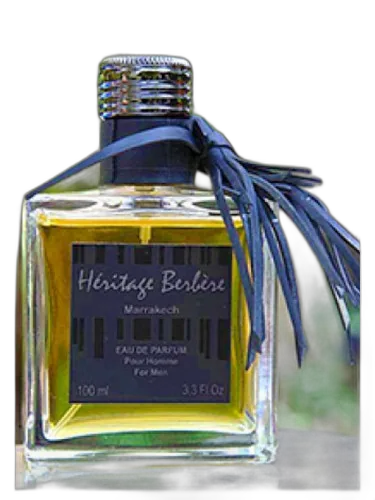
Héritage Berbère
Hb Homme 07 Héritage Berbère
Shared accords: aromatic, powdery, warm spicy

Ellis Brooklyn
Apres Ellis Brooklyn
Shared accords: aromatic, powdery, warm spicy
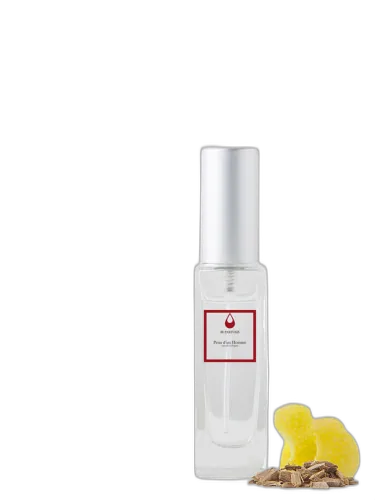
FL Parfums
Peau D'un Homme Fl Parfums
Shared accords: aromatic, powdery, warm spicy

Bibbi Paris
X Santal Bibbi Paris
Shared accords: aromatic, powdery, warm spicy