
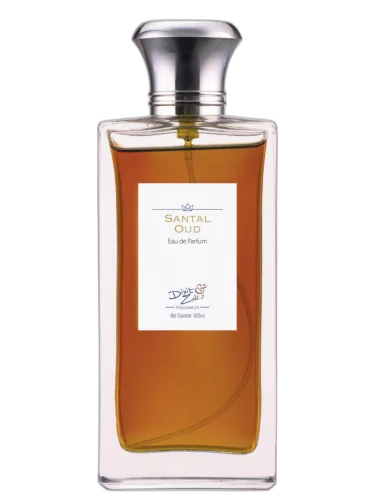

Santal Oud Dixit & Zak
At a glance
Is Santal Oud Dixit & Zak worth trying?
Santal Oud by Dixit & Zak is a fragrance for women and men.
- Best match
- Evening wear in Fall
- Performance feel
- Excellent longevity with Strong sillage
- Signature profile
- woody, oud, rose with Damask Rose, Jasmine Sambac, Henna
The first impression
Santal Oud by Dixit & Zak is a fragrance for women and men. Santal Oud was launched in 2021. Santal Oud was created by Nitish Dixit and Zakir Laskar. Top notes are Damask Rose, Jasmine Sambac, Henna, Lime and Magnolia; middle notes are Turkish Rose, Rose, Jasmine and Tuberose; base notes are Indian Oud, Australian Sandalwood, Sandalwood, Patchouli and Vanilla.
What shapes the scent
The perfumer behind it

Nitish Dixit
Nitish Dixit is a perfumer and co-founder of the brand Dixit & Zak, known for rich, complex fragrances inspired by Indian traditions. His catalog includes scents like Ghaliyah Reflection, Brindaban, Charbagh, Emperor Hind, Emperor’s Court, Ghaliyah Hind, Hindi Tabac, and Kashmir Nuit. Dixit's work often features oud, spices, and floral elements, reflecting a deep connection to Indian perfumery heritage.
Notes pyramid
Top Notes
First impression · 15-30 min
 Damask Rose
Jasmine Sambac
Damask Rose
Jasmine Sambac
 Henna
Henna
 Lime
Lime
 Magnolia
Heart Notes
Core character · 2-4 hours
Turkish Rose
 Rose
Rose
 Jasmine
 Tuberose
Base Notes
Lasting impression · 4+ hours
 Indian Oud
 Australian Sandalwood
 Sandalwood
 Patchouli
 Vanilla
The mood it creates
The Sage Archetype: Portrait of Santal Oud Dixit & Zak
Essence
The one who cherishes Santal Oud Dixit & Zak is ruled by the Sage, an archetype of wisdom, introspection, and quiet authority. This fragrance-deep, resinous, and layered-mirrors their essence: a soul who seeks knowledge not for power, but for understanding. The oud’s mystique and the sandalwood’s meditative warmth reflect their contemplative nature, while the subtle spice hints at a hidden intensity.
Yet the Sage is not merely a passive observer. They are a seeker, drawn to the profound, the enigmatic, and the timeless. Their love for this scent reveals a preference for depth over frivolity, substance over spectacle.
Style & Aesthetic
Their presence is understated but magnetic. They favor textures that age beautifully-worn leather, raw silk, untreated wood. Their wardrobe is minimal but deliberate, each piece chosen for its quiet elegance rather than trendiness. They may wear a well-tailored blazer with an antique watch, or a linen shirt with faint traces of ink stains-evidence of a mind always at work.
Their home is a sanctuary of warm neutrals, dim lighting, and well-loved books. They surround themselves with objects that carry history-a Persian rug, a weathered journal, a brass incense burner. Their space is not cluttered, but neither is it sterile; every item has been considered, kept only if it resonates.
Their days are structured but not rigid. They rise early, savoring the quiet hours with coffee and a book. They may practice meditation, journaling, or long walks-rituals that ground them in reflection. Work is not merely a means to an end but an extension of their curiosity; they thrive in fields that reward deep focus-writing, academia, craftsmanship, or philosophy.
Yet their shadow lurks in over-intellectualization-sometimes, they dissect life so thoroughly that they forget to live it. They may hesitate at the precipice of action, preferring the safety of thought.
Philosophy & Values
Their worldview is shaped by a quiet but unshakable conviction: truth is found in the unseen, in the spaces between words and beneath surfaces. They distrust dogma, preferring instead the slow accumulation of insight. Their values are rooted in authenticity-they despise pretense, yet they are not naive. They understand human frailty, including their own.
They believe in the alchemy of experience, that suffering and joy alike refine the soul. Stoic by nature, they rarely complain, but their silence can sometimes mask a reluctance to engage with the messiness of raw emotion.
Relationships
They are selective in companionship, valuing depth over quantity. Their closest bonds are with those who can match their intellectual curiosity or challenge their perspectives. They are not the life of the party, but in intimate settings, they reveal a dry wit and a surprising capacity for warmth.
Yet their shadow emerges here: they can be emotionally guarded, retreating into solitude when vulnerability is demanded. Their love is steadfast but not effusive; they show devotion through acts, not declarations. Some may mistake their reserve for coldness, but those who persist find loyalty of rare intensity.
Shadow
The Sage’s greatest flaw is their tendency toward detachment. In their quest for wisdom, they may withdraw too far, becoming spectators rather than participants in their own lives. Their skepticism, while sharp, can harden into cynicism. Their love of silence may become avoidance.
But when balanced, they embody the rare union of intellect and soul-a thinker who does not lose themselves in abstraction, a dreamer who remains rooted in the world.
Conclusion
To wear Santal Oud Dixit & Zak is to declare an affinity for the profound. This person is neither saint nor recluse-they are a quiet force, shaping their world not through domination but through understanding. Their life is a slow burn, not a wildfire.
And in the end, perhaps that is their greatest wisdom: knowing that some truths can only be whispered, never shouted.
If you like this, try these
Fragrances with a comparable profile - shared accords, notes, and character.
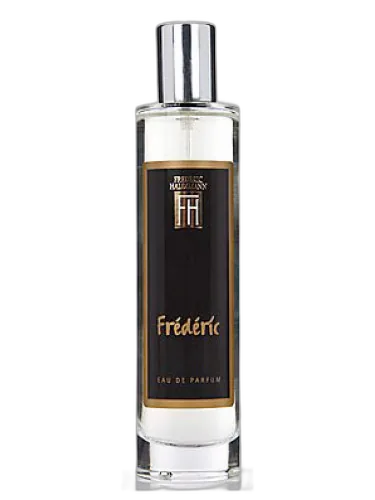
Frederic Haldimann
Frederic Frederic Haldimann
Shared heart notes: jasmine, rose, tuberose
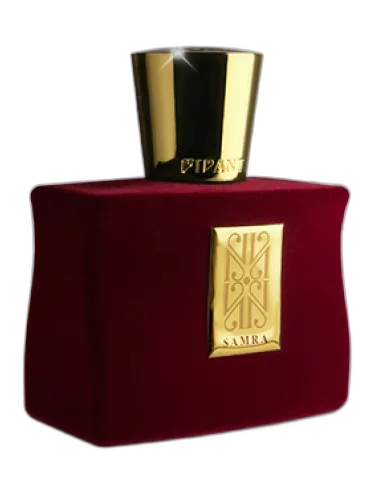
Vivant
Samra Vivant
Shared heart notes: jasmine, rose
Davidoff
Zino Davidoff Davidoff
Shared heart notes: jasmine, rose
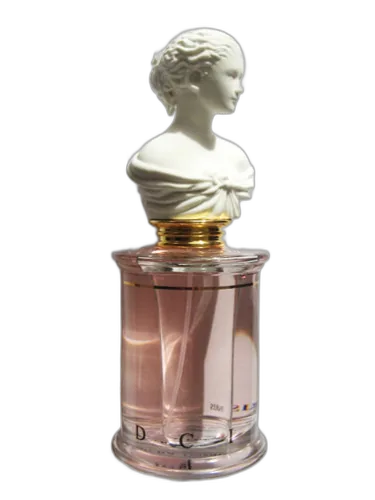
MDCI Parfums
Enlevement Au Serail Mdci Parfums
Shared heart notes: jasmine, rose, tuberose
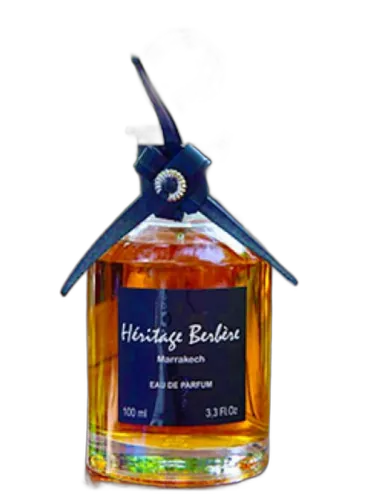
Héritage Berbère
Hb Femme 11 Héritage Berbère
Shared heart notes: jasmine, rose, tuberose