
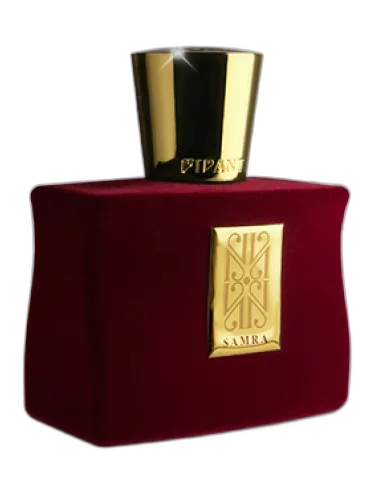

Samra Vivant
At a glance
Is Samra Vivant worth trying?
Samra by Vivant is a Oriental Floral fragrance for women and men.
- Best match
- Casual wear in Spring, Summer
- Performance feel
- Good longevity with Moderate sillage
- Signature profile
- vanilla, rose, citrus with Tangerine, Bergamot, Rose
The first impression
Samra by Vivant is a Oriental Floral fragrance for women and men. Samra was launched in 2016. The nose behind this fragrance is Chris Maurice. Top notes are Tangerine and Bergamot; middle notes are Rose and Jasmine; base notes are Vanilla, Patchouli and Sandalwood.
What shapes the scent
The perfumer behind it

Chris Maurice
Chris Maurice is a perfumer with a wide-ranging portfolio that includes work for Aqualis, Artal Perfumes, Assaf, Astrophil & Stella, Azman, and Bey Parfum. His creations include Egoli, Forbidden Rose, Darley, Love Is Lost, Moonage Daydream, Riad Jasmine, Song For A Wanderer, and Abyssoria. His style varies from floral and romantic to dark and mysterious.
Notes pyramid
Top Notes
First impression · 15-30 min
 Tangerine
 Bergamot
Heart Notes
Core character · 2-4 hours
 Rose
Rose
 Jasmine
Base Notes
Lasting impression · 4+ hours
 Vanilla
 Patchouli
 Sandalwood
The mood it creates
The Samra Vivant Admirer Archetype: Portrait of Samra Vivant
Essence
To wear Samra Vivant is to declare oneself a lover of life’s opulent textures-a sensualist who thrives in the interplay of light and shadow, luxury and spontaneity. This fragrance, with its bold floralcy and warm, honeyed depth, is not for the timid. It belongs to those who embrace existence with both hands, refusing to let its richness slip through their fingers.
The dominant archetype here is The Lover-not merely in the romantic sense, but in the broader, Dionysian way of being. This individual is driven by passion, beauty, and sensory indulgence. They seek to merge with the world rather than conquer it, finding ecstasy in connection-whether with people, art, or the sheer pleasure of existence.
Yet, like all archetypes, The Lover has its shadow. Where there is ardor, there can be obsession; where there is devotion, there can be dependency. The Vivant wearer walks this line, balancing between radiant self-expression and the risk of losing themselves in their desires.
Style & Aesthetic
Their aesthetic is baroque yet effortless-rich fabrics, bold colors, and textures that invite touch. They favor statement pieces: a velvet blazer, an antique ring, a scarf that catches the wind like a banner. Their home is a sanctuary of sensory indulgence-candles, fresh flowers, well-worn books with gilded edges.
In music, they lean toward the dramatic-opera, jazz, or the sultrier strains of electronic beats. In art, they are drawn to the Romantics, the Symbolists, anything that thrums with emotion. They do not merely consume beauty; they participate in it.
They live unapologetically, whether in a bustling city or a countryside villa. Their days are a dance between indulgence and discipline-morning yoga followed by an extravagant breakfast, a day of focused work capped with a long, wine-soaked dinner.
They are not afraid of excess, but neither are they slaves to it. They understand that pleasure, like all things, must be chosen, not merely surrendered to. Their greatest skill is alchemy-turning the mundane into the extraordinary, whether through a perfectly set table or a whispered conversation under candlelight.
Philosophy & Values
Their philosophy is one of intensity over austerity. They reject the notion that depth must be solemn, believing instead that wisdom can be found in laughter, pleasure, and even decadence. They are drawn to the philosophy of Nietzsche’s amor fati-the love of fate-seeing beauty even in life’s inevitable pains.
They are likely to quote Rumi or Baudelaire, finding truth in poetry rather than dogma. Their spirituality, if they claim any, is experiential-felt in the warmth of sunlight, the brush of silk, the taste of ripe fruit. They do not seek transcendence away from the world but through it.
Relationships
They are magnetic, drawing others in with their warmth and vitality. Friends and lovers are intoxicated by their presence, which feels like stepping into a sunlit garden after a long winter. They love deeply, often recklessly, and their relationships are marked by intensity-both in joy and in conflict.
Yet their shadow emerges here: a fear of emptiness. They may cling to fading connections, mistaking intensity for permanence. Their generosity can turn possessive; their passion, smothering. They must learn that love, like perfume, lingers most beautifully when given freely.
Shadow
When unbalanced, their virtues warp. Their passion becomes neediness, their appreciation of beauty vanity, their generosity manipulation. They may grow restless, seeking new thrills to fill an inner void they refuse to acknowledge.
The lesson for them is simple yet profound: to love life, one must also let it go. The true Lover does not grasp but savors-knowing that even the most intoxicating fragrance must eventually fade.
Conclusion
The admirer of Samra Vivant is neither hedonist nor ascetic but something rarer: a celebrant of existence. They remind us that to live fully is not to avoid suffering but to embrace it as part of the grand, messy, glorious feast of being.
Their flaw? Perhaps that they burn too brightly.
Their gift? That they remind the rest of us to burn at all.
If you like this, try these
Fragrances with a comparable profile - shared accords, notes, and character.
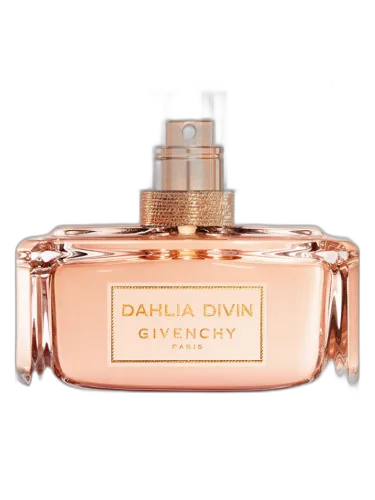
Givenchy
Dahlia Divin Eau De Toilette Givenchy
Shared heart notes: jasmine, rose

Coach
Coach Dreams Moonlight Coach
Shared top notes: bergamot
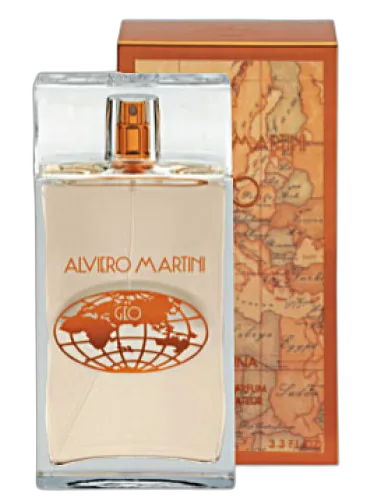
Alviero Martini
Geo Donna Alviero Martini
Shared top notes: bergamot, tangerine
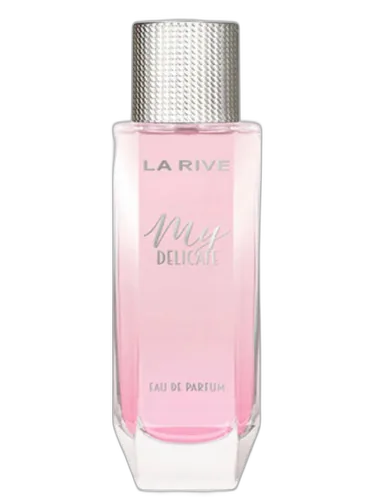
La Rive
My Delicate La Rive
Shared top notes: bergamot, tangerine
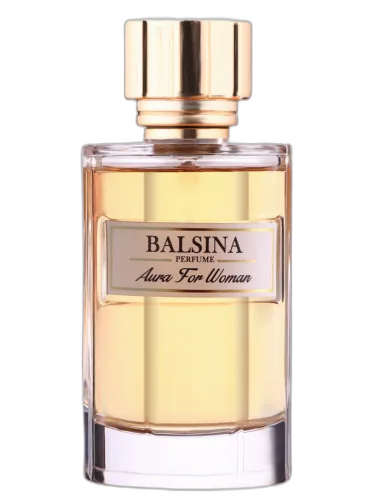
Balsina
Aura Balsina
Shared top notes: bergamot