


Big Sur Eucalyptus Ds&durga
Fragrance Story
Big Sur Eucalyptus by DS&Durga is a Woody Aromatic fragrance for women and men. This is a new fragrance. Big Sur Eucalyptus was launched in 2023. The nose behind this fragrance is David Seth Moltz.
Composition Profile
About the Perfumer

David Seth Moltz
David Seth Moltz is the co-founder and perfumer of D.S. & Durga, a brand known for its conceptual and evocative scents. His catalog includes King Majesty Bergamot Chypre, Wipeout!, and historical-inspired pieces like 1538 Rheims and Amber Kiso. Moltz’s work often blends natural and synthetic materials to create immersive olfactory narratives.
Fragrance Notes
All Notes
Complete scent profile
 Eucalyptus
 Sea water
 Cypress
 Dried Fallen Leaves
 Woody Notes
 Rosemary
 Cardamom
 Magnolia
Big Sur Eucalyptus Ds&durga by DS&Durga offers a distinctive olfactory experience that stands out from other fragrances in its category.
Crafted with the finest ingredients and a blend of traditional and modern perfumery techniques, this fragrance represents the pinnacle of the perfumer's art.
Big Sur Eucalyptus Ds&durga embodies the distinctive style of DS&Durga while adding a unique chapter to their fragrance portfolio.
Character Profile
The Wanderer Archetype: Portrait of Big Sur Eucalyptus Ds&durga
Essence
To wear Big Sur Eucalyptus is to carry the scent of open skies, salt-laced winds, and the sharp clarity of untamed wilderness. This fragrance is not for those who seek comfort in the familiar; it is for the one who finds solace in the unknown, whose spirit is restless yet deeply contemplative. The archetype that defines them is The Wanderer-the seeker who moves through life with a quiet independence, drawn to the edges of experience, always searching but never fully settling.
Shadow
Yet the Wanderer’s strength is also their flaw. Their love of freedom can become a resistance to commitment-not just in relationships, but in life itself. They may struggle to plant roots, mistaking stability for stagnation. Their independence can harden into detachment, leaving others feeling shut out. At their worst, they romanticize solitude to the point of isolation, forgetting that even the most self-sufficient minds need connection.
They might also harbor a quiet arrogance, believing their way of living is superior to those who choose conventional paths. This can make them dismissive of others’ needs for security or tradition, framing dependence as weakness rather than human nature.
Conclusion
Their tastes are minimalist but deliberate. They prefer clean lines in design, uncluttered spaces, and objects that serve a purpose rather than merely adorn. Their wardrobe is a study in restraint-linen, wool, muted tones, the occasional pop of deep green or slate blue, as if mirroring the landscapes they love. They might live in a small coastal town or a city apartment with large windows, always ensuring that nature remains within reach.
Philosophically, they reject dogma. They are drawn to existentialism, Zen Buddhism, or Stoicism-systems that emphasize presence, self-reliance, and the impermanence of things. They do not believe in fixed identities; they see the self as fluid, shaped by experience rather than inherited narratives. Their values are rooted in authenticity, freedom, and a quiet defiance of societal expectations. They do not rebel loudly; they simply step away when the world demands conformity.
Similar Fragrances
Fragrances with a comparable profile - shared accords, notes, and character.
DS&Durga
Big Sur Eucalyptus Ds&durga
Shared accords: aromatic, camphor, fresh spicy

Nout
Terre Aromatique Nout
Shared accords: aromatic, camphor, fresh spicy

Comme des Garcons
Scent Three: Sugi Comme Des Garcons
Shared accords: aromatic, fresh spicy, woody
Prudence Paris
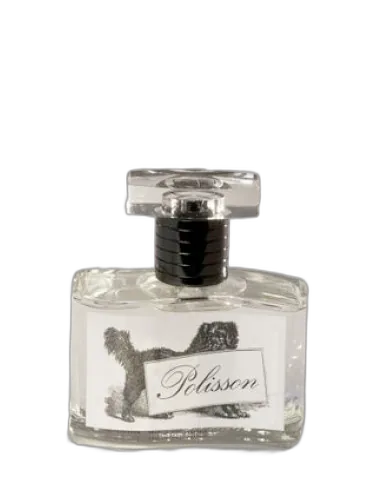
Polisson Prudence Paris
Shared accords: aromatic, camphor, fresh spicy

Art Deco Perfumes
Arkticheskiy Convoy Art Deco Perfumes
Shared accords: aromatic, fresh spicy, marine