


El Cosmico Ds&durga
Fragrance Story
El Cosmico by DS&Durga is a Woody fragrance for women and men. El Cosmico was launched in 2015. El Cosmico was created by David Seth Moltz and Kavi Moltz. Top notes are Pine and Pepper; middle notes are Creosote Bush, Khella and Oak; base notes are Sand and Khella.
Composition Profile
About the Perfumer

David Seth Moltz
David Seth Moltz is the co-founder and perfumer of D.S. & Durga, a brand known for its conceptual and evocative scents. His catalog includes King Majesty Bergamot Chypre, Wipeout!, and historical-inspired pieces like 1538 Rheims and Amber Kiso. Moltz’s work often blends natural and synthetic materials to create immersive olfactory narratives.
Fragrance Notes
Top Notes
First impression · 15-30 min
 Pine
Pine
 Pepper
Heart Notes
Core character · 2-4 hours
 Creosote Bush
 Khella
 Oak
Oak
Base Notes
Lasting impression · 4+ hours
 Sand
Khella
Sand
Khella
El Cosmico Ds&durga by DS&Durga offers a distinctive olfactory experience that stands out from other fragrances in its category.
Crafted with the finest ingredients and a blend of traditional and modern perfumery techniques, this fragrance represents the pinnacle of the perfumer's art.
El Cosmico Ds&durga embodies the distinctive style of DS&Durga while adding a unique chapter to their fragrance portfolio.
Character Profile
The Wanderer Archetype: Portrait of El Cosmico Ds&durga
Essence
To wear El Cosmico by D.S. & Durga is to carry the scent of boundless horizons-a fragrance of desert air, sun-warmed resins, and the faint metallic whisper of distant stars. The person who chooses this scent is not merely a traveler in the physical sense but a seeker of the intangible, a soul drawn to the liminal spaces between reality and myth. Their archetype is unmistakable: the Wanderer.
Philosophy & Values
The Wanderer does not seek answers so much as they seek the act of questioning itself. They are drawn to philosophies of existentialism and Zen, finding beauty in the idea that meaning is not given but created through motion. They value freedom above all else-freedom from routine, from expectation, from the suffocating weight of permanence. Relationships, for them, are fluid; they love deeply but transiently, leaving an imprint on others before inevitably moving on.
Their strength lies in their adaptability. They are unshaken by chaos, finding clarity in the unknown. They possess an almost preternatural ability to read people and places, absorbing the essence of a moment before it slips away. But this very gift is also their curse.
Shadow
The Wanderer’s flaw is their resistance to roots. They mistake depth for confinement, commitment for captivity. Their relationships, while intense, often lack the slow burn of sustained intimacy-they are quick to leave when things become too familiar, fearing stagnation more than loneliness. This perpetual motion can leave them untethered, a ghost in their own life, always watching from the edges rather than fully inhabiting any one place.
There is also a quiet arrogance in their independence. They pride themselves on needing no one, yet this self-sufficiency can calcify into isolation. They may dismiss those who choose stability as "settling," failing to see that roots, too, can be a form of courage.
Conclusion
The Wanderer thrives on movement-not as escape, but as necessity. They are the one who books a one-way ticket without hesitation, who finds solace in the hum of an engine at midnight, who collects experiences like others collect possessions. Their philosophy is rooted in impermanence; they believe life is best lived as a series of fleeting encounters, each one leaving its mark before dissolving into memory.
Their style is effortless yet intentional-linen shirts that breathe in the heat, well-worn boots that have crossed deserts, jewelry that carries the weight of stories from faraway markets. They disdain excess, preferring a few meaningful objects over clutter. Their home, if they have one, is sparse but curated: a shelf of dog-eared travelogues, a map pinned with places yet to be seen, a record player spinning folk music from lands they’ve passed through.
Similar Fragrances
Fragrances with a comparable profile - shared accords, notes, and character.
DS&Durga
El Cosmico Ds&durga
Shared accords: aromatic, conifer, fresh spicy
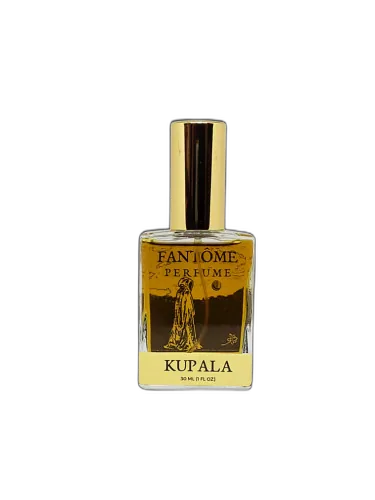
Fantôme
Kupala Fantôme
Shared accords: aromatic, fresh spicy, green
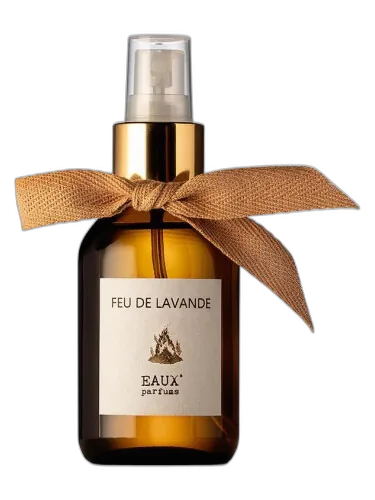
Eaux Parfums
Fleu De Lavande Eaux Parfums
Shared accords: aromatic, conifer, fresh spicy

Scents of Wood
Pine In The Sun Scents Of Wood
Shared accords: aromatic, conifer, fresh spicy
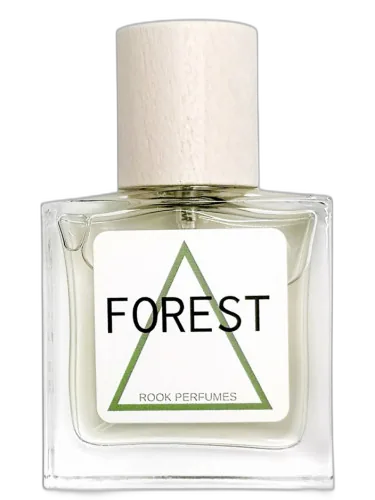
Rook Perfumes
Forest Rook Perfumes
Shared accords: aromatic, conifer, fresh spicy