
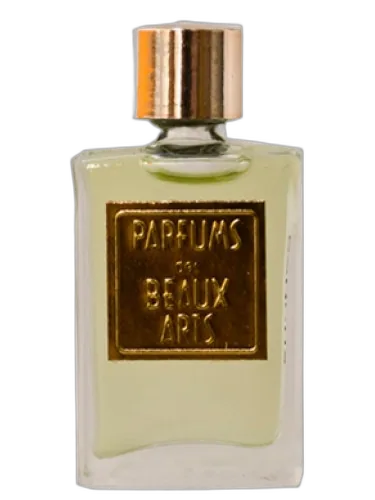

Michelangelo Dsh Perfumes
At a glance
Is Michelangelo Dsh Perfumes worth trying?
Michelangelo by DSH Perfumes is a Oriental Woody fragrance for men.
- Best match
- Evening wear in Fall, Winter
- Performance feel
- Very Good longevity with Strong sillage
- Signature profile
- aromatic, woody, fresh spicy with Oregano, Pine, Clary Sage
The first impression
Michelangelo by DSH Perfumes is a Oriental Woody fragrance for men. The nose behind this fragrance is Dawn Spencer Hurwitz. Top notes are Oregano, Pine, Clary Sage, Lemon, Bay Leaf and Bergamot; middle notes are Peru Balsam, Spices, French labdanum, Rose, Palmarosa and Olibanum; base notes are oak moss, Vetyver, Virginia Cedar, Ambergris, Tobacco, Myrhh and Incense.
What shapes the scent
The perfumer behind it

Dawn Spencer Hurwitz
Dawn Spencer Hurwitz is the founder and perfumer of DSH Perfumes, with a catalog spanning over 30 years of work. Her creations include 1,000 Lilies, Acqua Di Venezia, and Amber, as well as the American Perfumer series like Colorado. Hurwitz is known for her classical approach, often drawing on historical and geographical inspirations.
Notes pyramid
Top Notes
First impression · 15-30 min
 Oregano
 Pine
Pine
 Clary Sage
 Lemon
Lemon
 Bay Leaf
 Bergamot
Heart Notes
Core character · 2-4 hours
 Peru Balsam
Spices
French labdanum
Peru Balsam
Spices
French labdanum
 Rose
Rose
 Palmarosa
Olibanum
Palmarosa
Olibanum
Base Notes
Lasting impression · 4+ hours
oak moss
Vetyver
Virginia Cedar
 Ambergris
 Tobacco
Myrhh
Tobacco
Myrhh
 Incense
The mood it creates
The Alchemist Archetype: Portrait of Michelangelo Dsh Perfumes
Essence
The Alchemist is a transformer, one who works with raw materials to create something greater. This archetype is drawn to mystery, complexity, and the hidden connections between things. Michelangelo embodies this through its dense, layered composition-a cathedral of scent built from herbs, resins, and woods.
Oregano, pine, and clary sage open with a green, almost medicinal bite, like crushed herbs in a medieval apothecary. The heart unfolds with Peru balsam, labdanum, and rose-a rich, ambered sweetness. Base notes of tobacco, myrrh, and incense anchor the fragrance in smoky, ancient depths. This is not a simple scent but a process of revelation.
Style & Aesthetic
The Alchemist dresses in textures that speak of transformation: worn leather, rough linen, tarnished silver. Their wardrobe is a collection of artifacts-a coat from a vintage shop, boots scuffed from travel, a ring passed down through generations. They favor dark, earthy colors: rust, charcoal, deep green.
Their space is a workshop of the senses. Shelves hold jars of dried herbs, bottles of essential oils, and books with cracked spines. The aesthetic is Gothic romanticism-beauty found in decay and renewal. Michelangelo is their scent, a distillation of time and craft.
Philosophy & Values
The Alchemist believes in the power of change. Nothing is fixed; everything can be transmuted. They value process over product, the journey over the destination. Patience is essential-true transformation takes time, like the slow aging of a perfume.
They are drawn to paradox: light and shadow, sweetness and bitterness, life and death. Michelangelo reflects this duality-its green top notes give way to warm resins, then to smoky incense. It is a fragrance of becoming, not being. The Alchemist knows that beauty emerges from friction.
Relationships
The Alchemist forms intense, transformative bonds. They are drawn to people who are complex, wounded, or in transition. Their friendships are alchemical-they help others see their own potential for change. But they can be demanding, expecting depth and authenticity.
In love, they seek a partner willing to explore the shadows. Romance is a crucible, a space for mutual evolution. Michelangelo’s smoky, resinous heart speaks to this intensity. It is a scent for nights of deep conversation, for the kind of love that burns and rebuilds.
Lifestyle
Their life is a series of experiments. They might wake early to blend a new tea, spend the afternoon foraging for mushrooms, and end the day distilling essential oils. Routine is anathema; they thrive on novelty and discovery.
They are drawn to places of transformation: libraries, laboratories, ruins, and gardens. Michelangelo accompanies them through these spaces, its scent shifting with the hours. It is a fragrance that rewards patience, revealing new facets over time-much like the Alchemist themselves.
Shadow
The Alchemist’s shadow is obsession. They can become lost in the process, neglecting the present in favor of some future transformation. Their desire to change everything can become destructive-both to themselves and others. The fragrance’s intensity can amplify this tendency, making them seem brooding or inaccessible.
They risk becoming a hermit, consumed by their own inner world. The shadow reminds them that transformation must serve life, not escape it. Michelangelo, for all its beauty, can sometimes feel like a labyrinth-a scent that invites endless exploration but offers no exit.
Conclusion
Michelangelo is the fragrance of the Alchemist-a complex, evolving scent that mirrors the soul’s journey toward transformation. It speaks of patience, mystery, and the beauty of becoming. For those who wear it, it is a tool of transmutation, a reminder that every ending holds the seed of a new beginning.
If you like this, try these
Fragrances with a comparable profile - shared accords, notes, and character.
Roja Dove
Vetiver Roja Dove
Shared top notes: bergamot, lemon

Roja Dove
Pierre De Velay No. 6 Roja Dove
Shared top notes: bay leaf, bergamot, clary sage
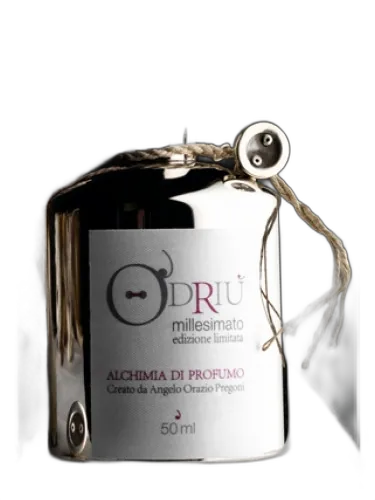
O'Driu
Linfedele 1003 O'driu
Shared top notes: bay leaf, pine
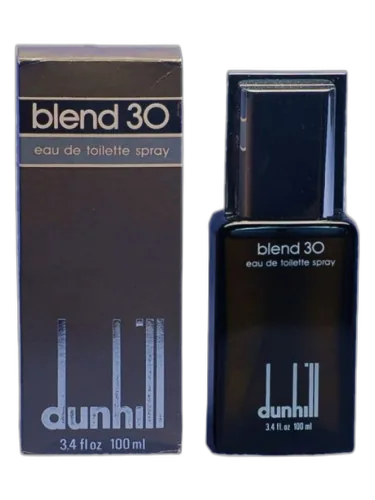
Alfred Dunhill
Blend 30 Alfred Dunhill
Shared top notes: bergamot, clary sage, lemon
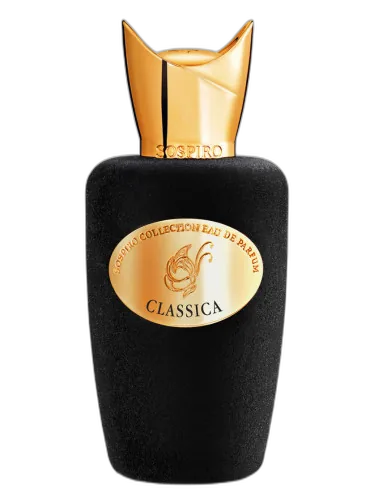
Sospiro Perfumes
Classica Sospiro Perfumes
Shared top notes: bergamot, clary sage