


Jurmala 2 Dzintars
At a glance
Is Jurmala 2 Dzintars worth trying?
Jurmala 2 by Dzintars is a fragrance for women.
- Best match
- Casual wear in Spring
- Performance feel
- Moderate longevity with Moderate sillage
- Signature profile
- woody, powdery, earthy with Bergamot, Violet, Lily-of-the-Valley
The first impression
Jurmala 2 by Dzintars is a fragrance for women. Jurmala 2 was launched in 1983. Jurmala 2 was created by Antonina Vitkovskaya, Victoria Ryabko and Liesma Oše (Prūse). Top notes are Bergamot, Violet, Lily-of-the-Valley and Lemon; middle notes are Vetiver, Patchouli, Iris, Rose and Vanilla; base notes are Musk, Benzoin and Labdanum.
What shapes the scent
The perfumer behind it

Antonina Vitkovskaya
Antonina Vitkovskaya was a prominent Soviet and Latvian perfumer, best known for her long tenure at the Dzintars perfume factory in Riga. Her olfactory style balanced bold, floral compositions with subtle woody and amber undertones, creating accessible yet sophisticated fragrances. She created numerous iconic Dzintars scents, including Allegro (1981) and Briga (1982), which became beloved staples in Eastern Europe.
Notes pyramid
Top Notes
First impression · 15-30 min
 Bergamot
 Violet
 Lily-of-the-Valley
 Lemon
Lemon
Heart Notes
Core character · 2-4 hours
 Vetiver
 Patchouli
 Iris
Iris
 Rose
Rose
 Vanilla
Base Notes
Lasting impression · 4+ hours
 Musk
Musk
 Benzoin
 Labdanum
The mood it creates
The Lover Archetype: Portrait of Jurmala 2 Dzintars
Essence
The one who favors Jurmala 2 Dzintars is most closely aligned with the Sage-a seeker of truth, wisdom, and quiet depth. This fragrance, with its blend of pine, amber, and sea salt, evokes a contemplative spirit, one who finds solace in nature’s whispers and the slow unraveling of life’s mysteries. The Sage does not rush; they observe, reflect, and distill meaning from the world around them.
Yet, like all archetypes, the Sage has a shadow-the Hermit, who risks retreating too far into solitude, becoming detached from the warmth of human connection. The lover of this scent walks the fine line between wisdom and isolation, between insight and over-intellectualization.
Style & Aesthetic
Their tastes are refined but never ostentatious. They prefer the understated elegance of raw wood, linen, and aged paper over polished glamour. Their home is a sanctuary of books, dried botanicals, and well-worn leather chairs. They might collect vintage maps or seashells, not for display, but for the quiet stories they hold.
In fashion, they favor textures over trends-wool, linen, muted earth tones. They wear clothes that feel like a second skin, garments that allow movement but never demand attention. Their jewelry, if any, is simple: a silver ring, a thin chain, something that carries personal meaning rather than decorative intent.
Mornings are sacred. They rise early, brew strong tea, and read or write before the world intrudes. Their work, if they choose it well, involves depth-research, writing, healing, or crafting. They are drawn to professions that allow autonomy and contemplation.
They are not ascetics, but they disdain excess. Their pleasures are simple: the scent of rain on pine, the weight of a well-made pen, the taste of dark bread with honey. They travel not for spectacle but for immersion, preferring quiet coastal towns or ancient forests over crowded cities.
Philosophy & Values
They believe in the slow accumulation of knowledge, in the idea that truth is not found in grand revelations but in the quiet moments between thoughts. They distrust dogma, preferring instead the fluidity of questioning. Their morality is not rigid but adaptive, shaped by experience rather than doctrine.
Yet their greatest virtue-patience-can become a vice. They sometimes mistake detachment for wisdom, avoiding emotional entanglements under the guise of objectivity. Their reluctance to commit, whether to people or causes, can leave them floating in a sea of possibilities, never fully anchored.
Relationships
They are not the life of the party, nor do they wish to be. Their friendships are few but deep, built on shared silences as much as conversation. They attract those who crave authenticity, who are tired of superficial charm. Their love language is subtle-a carefully chosen book, a long walk without the need to fill the silence.
Yet their shadow emerges in intimacy. They struggle with vulnerability, often intellectualizing emotions rather than feeling them. Partners may accuse them of being distant, of treating love as a philosophical puzzle rather than a living, breathing force.
Shadow
Their greatest danger is the belief that they do not need others. The Sage’s pursuit of wisdom can become a fortress, a way to avoid the messiness of human connection. They may rationalize loneliness as independence, solitude as superiority.
But when balanced, they are neither aloof nor lost in thought-they are present, offering insight without condescension, depth without obscurity. Their fragrance, Jurmala 2 Dzintars, is the scent of a mind at peace with its own tides, a soul that knows when to wander and when to return.
If you like this, try these
Fragrances with a comparable profile - shared accords, notes, and character.
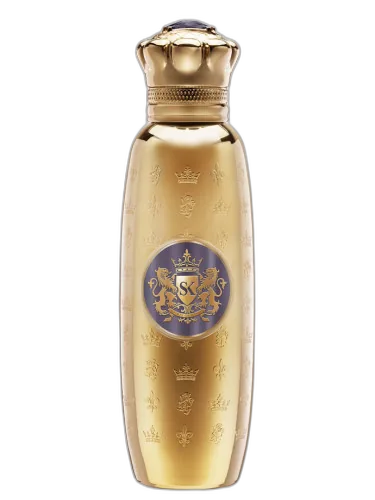
Spirit Of Kings
Acamar Spirit Of Kings
Shared top notes: bergamot, lemon
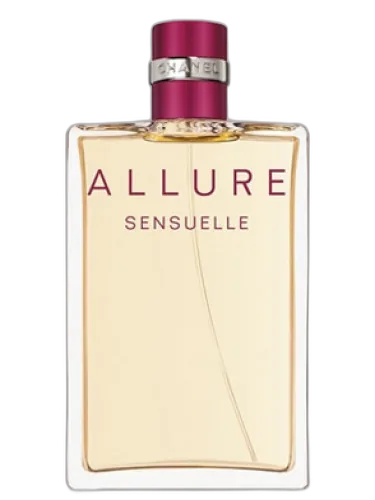
Chanel
Allure Sensuelle Eau De Toilette Chanel
Shared top notes: bergamot
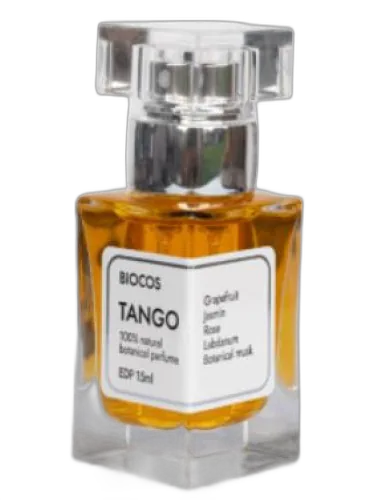
BIOCOS
Tango Biocos
Shared heart notes: rose
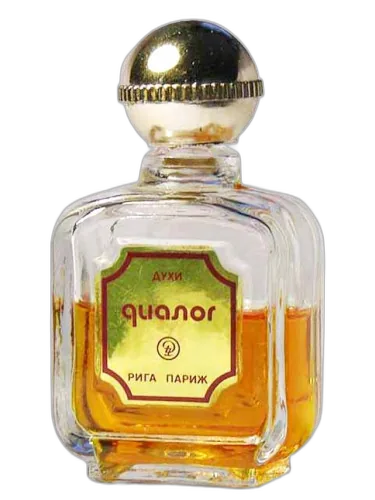
Dzintars
Dialogs (диалог) Dzintars
Shared top notes: bergamot, lemon, lily-of-the-valley
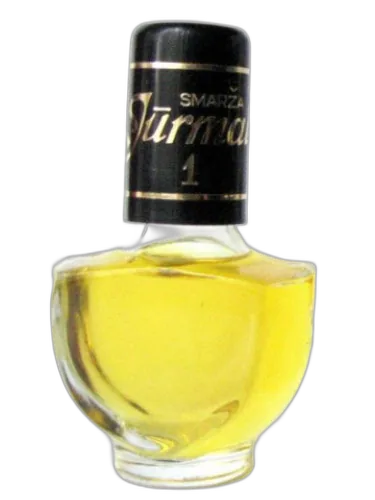
Dzintars
Jurmala 1 Dzintars
Shared top notes: lily-of-the-valley