
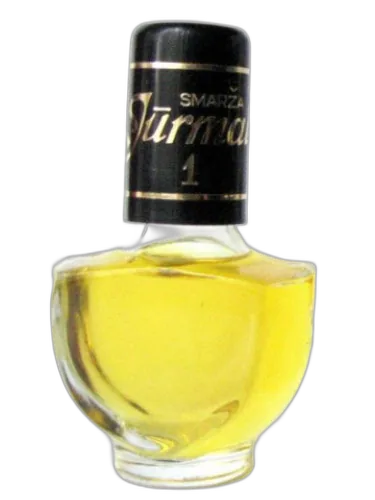

Jurmala 1 Dzintars
At a glance
Is Jurmala 1 Dzintars worth trying?
Jurmala 1 by Dzintars is a fragrance for women.
- Best match
- Casual wear in Spring
- Performance feel
- Moderate longevity with Moderate sillage
- Signature profile
- woody, green, citrus with Narcissus, Mandarin Orange, Lily-of-the-Valley
The first impression
Jurmala 1 by Dzintars is a fragrance for women. Jurmala 1 was launched in 1983. Jurmala 1 was created by Antonina Vitkovskaya, Victoria Ryabko and Liesma Oše (Prūse). Top notes are Narcissus, Mandarin Orange and Lily-of-the-Valley; middle notes are Rose, Patchouli, Vetiver, Iris and Vanilla; base notes are Opoponax, Cedar and Musk.
What shapes the scent
The perfumer behind it

Antonina Vitkovskaya
Antonina Vitkovskaya was a prominent Soviet and Latvian perfumer, best known for her long tenure at the Dzintars perfume factory in Riga. Her olfactory style balanced bold, floral compositions with subtle woody and amber undertones, creating accessible yet sophisticated fragrances. She created numerous iconic Dzintars scents, including Allegro (1981) and Briga (1982), which became beloved staples in Eastern Europe.
Notes pyramid
Top Notes
First impression · 15-30 min
 Narcissus
 Mandarin Orange
 Lily-of-the-Valley
Heart Notes
Core character · 2-4 hours
 Rose
Rose
 Patchouli
 Vetiver
 Iris
Iris
 Vanilla
Base Notes
Lasting impression · 4+ hours
 Opoponax
 Cedar
Cedar
 Musk
Musk
The mood it creates
The Lover Archetype: Portrait of Jurmala 1 Dzintars
Essence
The one who chooses Jurmala 1 Dzintars-a fragrance steeped in the resinous warmth of Baltic amber, the crispness of pine, and the quiet depth of aged wood-is most closely aligned with the Sage. This archetype is defined by a hunger for wisdom, a contemplative nature, and an appreciation for the subtle beauty of the world. They are not merely observers but interpreters, seeking meaning in the textures of life. Like the amber at the heart of their chosen scent, they are both timeless and mutable, preserving knowledge while allowing it to evolve.
Yet the Sage is not without shadows. Their relentless pursuit of understanding can slip into detachment, their love of depth can become a refusal to engage with the surface, and their reverence for the past may blind them to the vitality of the present.
Philosophy & Values
They believe in the slow accumulation of truth, distrusting quick answers and hollow certainties. For them, knowledge is not power but a form of reverence-a way of honoring the complexity of existence. They value patience, insight, and the kind of silence that allows thought to deepen.
Yet their devotion to wisdom can become a form of isolation. They may dismiss those who live by instinct rather than intellect, forgetting that not all truths are found in books. Their love of depth can make them impatient with the mundane, causing them to withdraw from the very world they seek to understand.
Relationships
They are not the life of the party, but the one who lingers afterward, speaking in low tones with the few who share their curiosity. Their friendships are few but profound, built on mutual respect for depth rather than the fleeting bonds of convenience. In love, they seek a partner who can match their introspection-someone who understands that passion is not always loud, but often a slow, smoldering fire.
Yet their shadow emerges here as well. Their tendency to intellectualize emotion can make them seem distant, even cold. They may mistake solitude for strength, forgetting that wisdom untested by human connection is merely a theory.
Shadow
The Sage’s greatest flaw is their capacity to vanish into their own mind. They may grow so enamored with the past that they neglect the present, or so wary of superficiality that they deny themselves simple pleasures. Their love of contemplation can become a form of evasion, a way to avoid the messiness of lived experience.
But when balanced, they are neither aloof nor lost in thought-they are guides, offering others the clarity they have spent years refining. Their scent, Jurmala 1 Dzintars, is their emblem: a fragrance that does not shout but lingers, leaving traces of warmth and wisdom long after they have passed by.
Conclusion
Their tastes are refined but never ostentatious. They prefer the weight of a well-bound book to the flicker of a screen, the slow burn of aged whiskey to the immediacy of a cocktail. Their wardrobe leans toward textures rather than trends-wool, linen, leather-each piece chosen for its endurance, not its novelty. Their home is a sanctuary of muted tones, filled with objects that carry history: a Baltic amber pendant, a stack of dog-eared philosophy books, a record player that spins vinyl with deliberate care.
They are drawn to places where time moves differently-forests where the air is thick with pine, old libraries, coastal towns where the sea whispers forgotten stories. Jurmala 1 Dzintars is their olfactory companion in these spaces, a scent that mirrors their inner world: deep, resinous, and quietly luminous.
If you like this, try these
Fragrances with a comparable profile - shared accords, notes, and character.

Dzintars
Jurmala 2 Dzintars
Shared top notes: lily-of-the-valley

Lacoste Fragrances
L.12.12. Rose Eau Intense Lacoste Fragrances
Shared top notes: mandarin orange
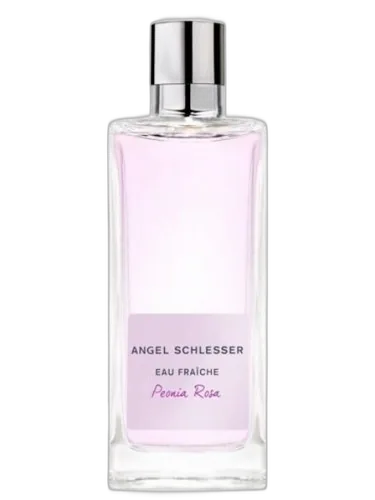
Angel Schlesser
Eau Fraiche Peonia Rose Angel Schlesser
Shared top notes: mandarin orange
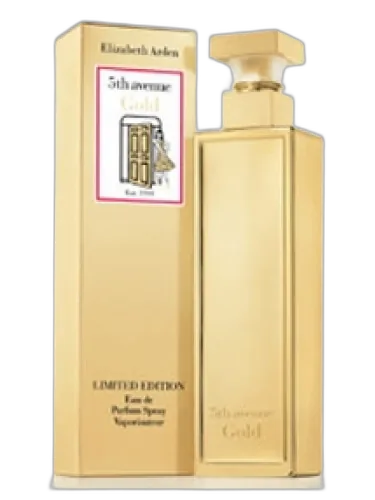
Elizabeth Arden
5th Avenue Gold Elizabeth Arden
Shared top notes: lily-of-the-valley, mandarin orange
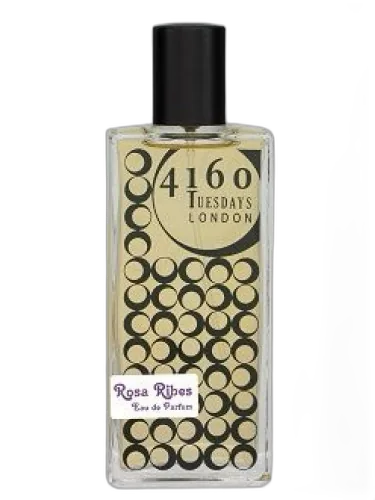
4160 Tuesdays
Rosa Ribes 4160 Tuesdays
Shared top notes: mandarin orange