
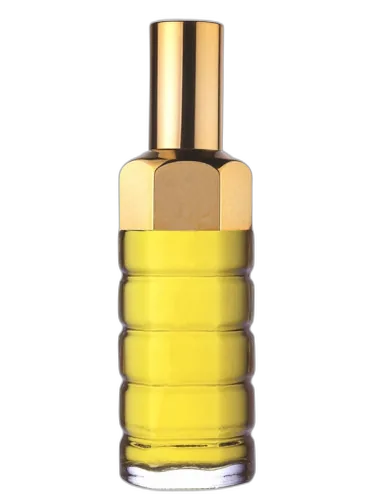

Azuree Estée Lauder
Fragrance Story
Azuree by Estée Lauder is a Chypre fragrance for women. Azuree was launched in 1969. The nose behind this fragrance is Bernard Chant. Top notes are Aldehydes, Bergamot, Sage, Artemisia, Basil and Gardenia; middle notes are Vetiver, Geranium, Orris Root, Jasmine, Cyclamen, Ylang-Ylang and Rose; base notes are Oakmoss, Leather, Patchouli, Amber and Musk.
Composition Profile
About the Perfumer

Bernard Chant
Bernard Chant is a renowned perfumer known for iconic creations such as Aramis, Devin, Gold, and Jhl for Aramis, as well as Aromatics Elixir for Clinique, Imprevu for Coty, and Aliage for Estée Lauder. His work also includes Antonia's Flowers for Antonia's Flowers. Chant's style is marked by bold, complex compositions that have become classics in modern perfumery.
Fragrance Notes
Top Notes
First impression · 15-30 min
 Aldehydes
 Bergamot
 Sage
Sage
 Artemisia
 Basil
Basil
 Gardenia
Heart Notes
Core character · 2-4 hours
 Vetiver
 Geranium
 Orris Root
 Jasmine
 Cyclamen
 Ylang-Ylang
 Rose
Rose
Base Notes
Lasting impression · 4+ hours
 Oakmoss
 Leather
 Patchouli
 Amber
Amber
 Musk
Musk
Azuree Estée Lauder by Estée Lauder offers a distinctive olfactory experience that stands out from other fragrances in its category.
Crafted with the finest ingredients and a blend of traditional and modern perfumery techniques, this fragrance represents the pinnacle of the perfumer's art.
Azuree Estée Lauder embodies the distinctive style of Estée Lauder while adding a unique chapter to their fragrance portfolio.
Character Profile
The Explorer Archetype: Portrait of Azuree Estée Lauder
Essence
Azuree by Estée Lauder is not a fragrance for the timid. It is bold, sun-kissed, and unapologetically vivid-a scent that evokes Mediterranean cliffs, salt-laden winds, and the restless spirit of one who refuses to be confined. The person who wears Azuree is not merely choosing a perfume; they are declaring an allegiance to a life of intensity, curiosity, and independence. They are, at their core, an Explorer-an archetype defined by boundless curiosity, a thirst for experience, and an insatiable need to push beyond the known.
Shadow
But the Explorer has a dark twin-the Restless Ghost, forever chasing horizons but never arriving. Their aversion to commitment can harden into emotional detachment. They mistake motion for progress, mistaking the accumulation of experiences for true depth. At their worst, they become hollow, addicted to novelty but incapable of stillness.
Their relationships suffer. Friends and lovers may feel abandoned, left behind as the Explorer moves on to the next adventure. Their disdain for routine can morph into self-sabotage-unfinished projects, abandoned careers, a life of near misses. They may grow cynical, dismissing those who seek stability as "unadventurous," blind to their own fear of true intimacy.
Conclusion
This is someone who thrives on the unfamiliar. Routine is an enemy; predictability, a slow death. Their tastes are eclectic-perhaps they collect rare books from far-flung markets, wear linen shirts that smell of distant spices, or decorate their home with artifacts from journeys they barely remember. Their style is effortless yet intentional, favoring natural textures, earthy tones, and the occasional bold statement-a vintage leather jacket, a handwoven scarf from Morocco, a single silver ring worn for years.
Philosophically, they reject dogma. They are drawn to existentialism, stoicism, or even Zen-systems that prize direct experience over rigid doctrine. Their values center on freedom, authenticity, and the relentless pursuit of self-discovery. They despise hypocrisy and stagnation, often cutting ties with those who cling too tightly to convention.
Similar Fragrances
Fragrances with a comparable profile - shared accords, notes, and character.
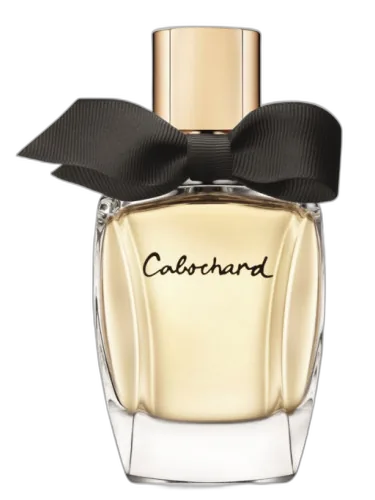
Grès
Cabochard Eau De Toilette 2019 Grès
Shared accords: aldehydic, animalic, aromatic

Ralph Lauren
Polo Ralph Lauren
Shared accords: aromatic, earthy, fresh spicy

Guy Laroche
Horizon Guy Laroche
Shared accords: aldehydic, aromatic, citrus
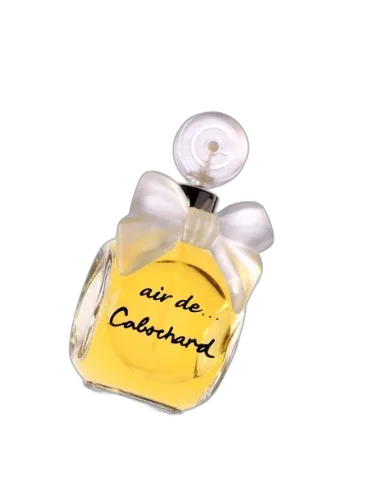
Grès
Cabochard Grès
Shared accords: aldehydic, animalic, aromatic
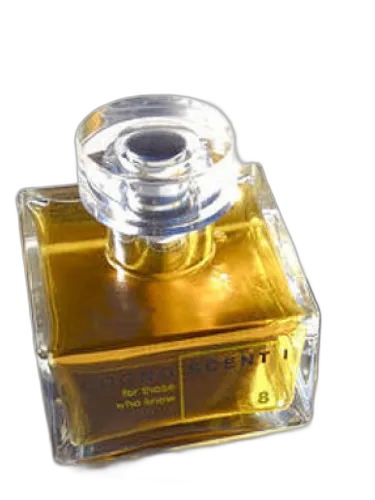
Cognoscenti
No 8 Aldehydic Oakmoss Cognoscenti
Shared accords: aldehydic, animalic, aromatic