
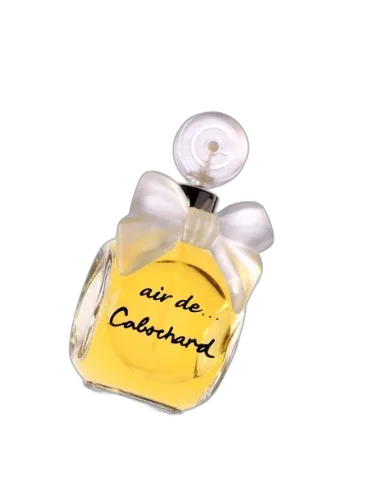

Cabochard Grès
Fragrance Story
Cabochard by Grès is a Leather fragrance for women. Cabochard was launched in 1959. The nose behind this fragrance is Bernard Chant. Top notes are Aldehydes, Sage, Spices, Tarragon, Asafoetida, Lemon and Fruity Notes; middle notes are Geranium, Orris Root, Rose, Jasmine and Ylang-Ylang; base notes are Leather, Oakmoss, Tobacco, Vetiver, Patchouli, Sandalwood, Musk, Amber and Coconut.
Composition Profile
About the Perfumer

Bernard Chant
Bernard Chant is a renowned perfumer known for iconic creations such as Aramis, Devin, Gold, and Jhl for Aramis, as well as Aromatics Elixir for Clinique, Imprevu for Coty, and Aliage for Estée Lauder. His work also includes Antonia's Flowers for Antonia's Flowers. Chant's style is marked by bold, complex compositions that have become classics in modern perfumery.
Fragrance Notes
Top Notes
First impression · 15-30 min
 Aldehydes
 Sage
Sage
 Spices
 Tarragon
 Asafoetida
 Lemon
Lemon
 Fruity Notes
Heart Notes
Core character · 2-4 hours
 Geranium
 Orris Root
 Rose
Rose
 Jasmine
 Ylang-Ylang
Base Notes
Lasting impression · 4+ hours
 Leather
 Oakmoss
 Tobacco
 Vetiver
 Patchouli
 Sandalwood
 Musk
Musk
 Amber
Amber
 Coconut
Cabochard Grès by Grès offers a distinctive olfactory experience that stands out from other fragrances in its category.
Crafted with the finest ingredients and a blend of traditional and modern perfumery techniques, this fragrance represents the pinnacle of the perfumer's art.
Cabochard Grès embodies the distinctive style of Grès while adding a unique chapter to their fragrance portfolio.
Character Profile
The Sage Archetype: Portrait of Cabochard Grès
Essence
To wear Cabochard Grès is to embrace a fragrance that is unapologetically bold-leathery, smoky, with a hint of defiance beneath its polished surface. The person who chooses this scent is not one to be easily swayed by fleeting trends or hollow charm. They are the Sage, an archetype defined by wisdom, self-possession, and a quiet intensity that commands respect without demanding it.
This is someone who values depth over spectacle, substance over superficiality. Their presence is not loud, but it lingers-like the trail of Cabochard itself, leaving an impression long after they have passed by. They are drawn to the timeless, the well-crafted, the things that endure.
Shadow
Yet wisdom, when unchecked, can calcify into dogma. Their certainty, so often their strength, can become rigidity. They may dismiss perspectives that challenge their own, mistaking skepticism for discernment. The very independence they cherish can isolate them, leaving them stranded in their own intellect.
There is also a danger of detachment, of observing life rather than living it. They may rationalize emotions to the point of sterility, fearing vulnerability as weakness. The smokiness of Cabochard mirrors this tendency-opaque, guarded, slow to reveal its softer notes.
Conclusion
Their tastes are deliberate, almost curatorial. They prefer the weight of a well-bound book to the ephemeral glow of a screen, the richness of a dark espresso to the saccharine rush of modern confections. Their wardrobe is a study in restraint-tailored lines, muted tones, fabrics that age gracefully rather than fray. They do not chase fashion; they embody an aesthetic.
Philosophy is not an abstract exercise for them but a lived discipline. They may be drawn to Stoicism, existentialism, or even the sharp clarity of Nietzsche himself-anything that prizes self-mastery and unflinching honesty. They believe in the sovereignty of the individual mind, in the necessity of solitude for true understanding.
In relationships, they are selective but fiercely loyal. They do not suffer fools, nor do they indulge in idle chatter. Their friendships are few but profound, built on mutual respect and intellectual kinship. Romance, for them, is a meeting of minds before it is a meeting of bodies. They seek a partner who can match their depth, someone who understands that love, like Cabochard, is layered-sometimes harsh, sometimes tender, but always real.
Similar Fragrances
Fragrances with a comparable profile - shared accords, notes, and character.

Grès
Cabochard Parfum Grès
Shared accords: aldehydic, animalic, aromatic
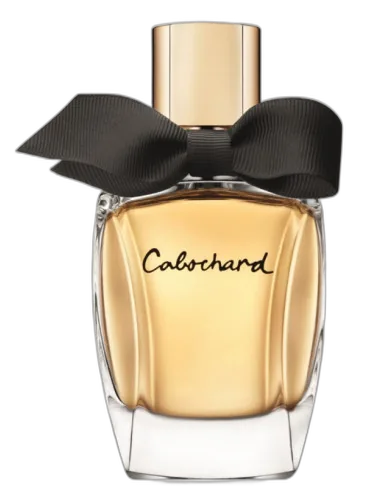
Grès
Cabochard Eau De Parfum 2019 Grès
Shared accords: aldehydic, animalic, aromatic
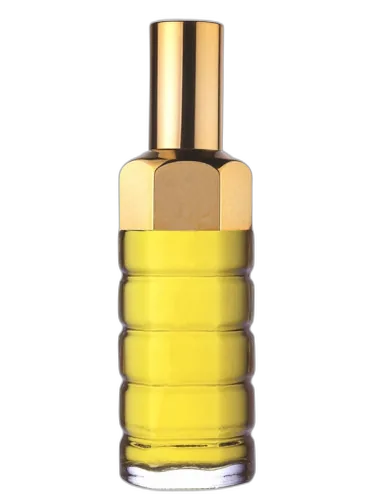
Estée Lauder
Azuree Estée Lauder
Shared accords: aldehydic, animalic, aromatic
House of Orpheus
Cunning Man House Of Orpheus
Shared accords: animalic, aromatic, earthy

Pierre Balmain
Miss Balmain Pierre Balmain
Shared accords: aldehydic, animalic, aromatic