
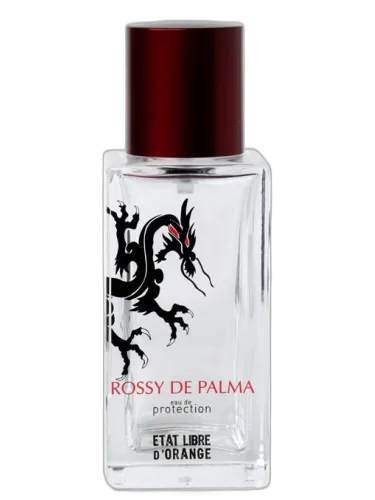
Rossy De Palma Eau De Protection Etat Libre D'orange
Fragrance Story
Rossy de Palma Eau de Protection by Etat Libre d'Orange is a Oriental Floral fragrance for women. Rossy de Palma Eau de Protection was launched in 2009. Rossy de Palma Eau de Protection was created by Antoine Lie and Antoine Maisondieu. Top notes are Ginger, Pepper and Bergamot; middle notes are Bulgarian Rose, Geranium and Jasmine; base notes are Patchouli, Incense, Benzoin and Cacao.
Composition Profile
About the Perfumer

Antoine Lie
Antoine Lie is a French perfumer trained at Givaudan and known for his work with brands like Burberry and Avon. His style often blends bold contrasts, pairing fresh or woody accords with unexpected gourmand or metallic touches. He created the earthy, resinous Sequoia for Abbott New York City and the spicy, incense-laced Sword for CZAR, showcasing his skill with complex, atmospheric compositions.
Fragrance Notes
Top Notes
First impression · 15-30 min
 Ginger
 Pepper
 Bergamot
Heart Notes
Core character · 2-4 hours
 Bulgarian Rose
 Geranium
 Jasmine
Base Notes
Lasting impression · 4+ hours
 Patchouli
 Incense
 Benzoin
Cacao
Benzoin
Cacao
Character Profile
The Lover Archetype: Portrait of Rossy De Palma Eau De Protection Etat Libre D'orange
Essence
To wear Rossy de Palma Eau de Protection by Etat Libre d’Orange is to embrace a fragrance that is both fierce and tender-blood orange and rose, spice and metallic sharpness, a scent that oscillates between seduction and defiance. The person who chooses this perfume is not merely seeking a fragrance; they are donning an armor of sensuality, a declaration that love is both a weapon and a sanctuary. They are, in essence, the Lover Archetype, but not in its passive, romanticized form-this is a Lover who knows desire is power, who understands that vulnerability is strength only when wielded with intention.
Style & Aesthetic
Their style is an extension of their essence-bold yet deliberate, theatrical without being garish. They might favor deep reds, blacks, or golds, fabrics that drape and flow, garments that suggest movement even in stillness. They appreciate asymmetry, a single dramatic earring, a sharply tailored jacket with an undone collar. Their makeup (if they wear it) is never understated; a dark lip, a smudge of kohl, a cheekbone highlighted as if for stage lighting.
They are drawn to art that thrums with intensity-Frida Kahlo’s raw self-portraits, the films of Pedro Almodóvar (for whom Rossy de Palma herself was a muse), the poetry of Sappho or the decadent prose of Anaïs Nin. Music is felt viscerally-flamenco, tango, the throaty growl of blues singers, the synthetic pulse of darkwave. Their home is a curated sanctuary, filled with candles, rich textiles, and objects that carry personal mythologies-a vintage dagger, a dried rose preserved under glass, a well-worn tarot deck.
They thrive in environments that pulse with life-dimly lit bars where strangers exchange glances, underground theaters, cities that never sleep. Yet they also need solitude, moments of retreat where they can recalibrate. Their daily rituals are sacred: morning coffee sipped slowly, a journal filled with midnight thoughts, a bath steeped in salts and oils.
Professionally, they are drawn to fields that allow for emotional expression-art, performance, therapy, activism. They reject sterile environments, preferring workplaces where passion is an asset, not a liability. Money is a means to experience, not an end in itself-they would rather spend on a perfect meal, a rare bottle of wine, a trip to someplace wild and unfamiliar.
Philosophy & Values
Their philosophy is one of radical emotional honesty. They reject the notion that passion should be tamed or that desire is something to be ashamed of. To them, love-in all its forms-is the closest thing to a sacred act, but it is also political. They believe in the power of eros to disrupt, to dismantle oppressive structures of repression. Yet theirs is not a naive romanticism; they know love can be cruel, that devotion can become obsession, that the heart is both a compass and a wound.
They value loyalty but despise possessiveness. Their relationships are intense, often all-consuming, but they refuse to be caged. They demand freedom even as they offer deep emotional investment. Their friendships are fierce, their enmities even fiercer-they do not forgive betrayal lightly, though they may, in time, transmute it into art.
Relationships
In love, they are magnetic, intoxicating. They draw others in with their presence, their ability to make a lover feel like the only person in the world. But this intensity is not without cost. Their shadow emerges when passion curdles into control, when the fear of abandonment twists into manipulation. They may test their partners, pushing boundaries to see how far devotion stretches. They crave depth but sometimes mistake drama for connection.
Their greatest fear is to be ordinary in love-to settle into something lukewarm, predictable. Yet this very fear can sabotage lasting bonds. They must learn that fire, unchecked, burns everything to ash. The most evolved version of this archetype knows that true protection is not in armor, but in the courage to be soft without dissolving.
Shadow
The Lover’s brilliance is also their danger. Their capacity for devotion can become obsession; their hunger for intensity can lead to self-destruction. They may romanticize suffering, believing that love must hurt to be real. Jealousy, though they despise it in others, can take root in them like a poison vine.
Their greatest challenge is to temper fire with wisdom-to recognize that not all love must be a conflagration. Sometimes, the deepest bonds are quiet, steady. To grow, they must learn that protection does not always mean defiance; sometimes, it means trust.
Similar Fragrances
Fragrances with a comparable profile - shared accords, notes, and character.

Lanvin
Géranium D'espagne (spanish Geranium) Lanvin
Shared accords: amber, aromatic, citrus
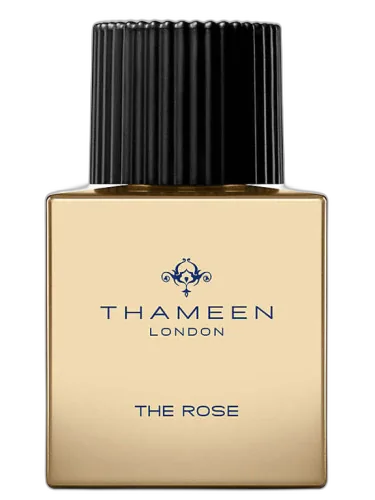
Thameen
The Rose Thameen
Shared accords: aromatic, citrus, floral
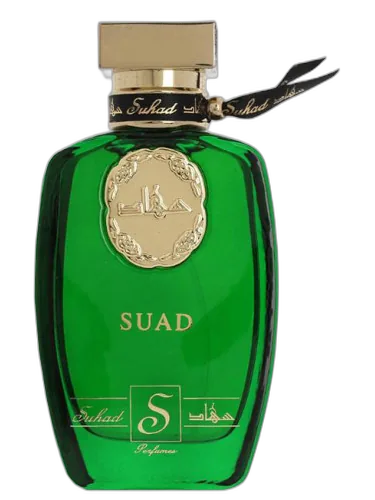
Suhad Perfumes
Suad Suhad Perfumes
Shared accords: amber, aromatic, fresh spicy
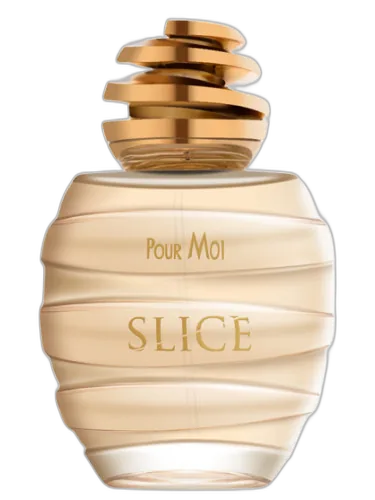
PourMoi
Slice Pourmoi
Shared accords: aromatic, citrus, floral
Fiilit
Waka - Madagascar Fiilit
Shared accords: aromatic, citrus, fresh spicy