
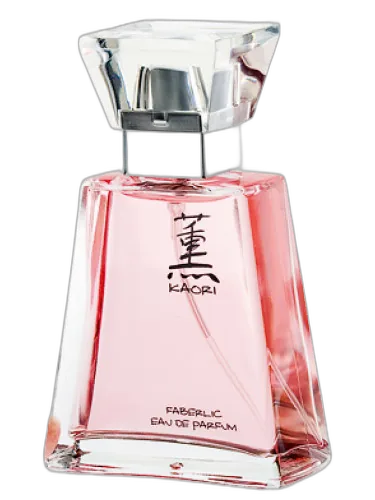

Kaori Faberlic
At a glance
Is Kaori Faberlic worth trying?
Kaori by Faberlic is a Floral Fruity fragrance for women.
- Best match
- Casual wear in Spring
- Performance feel
- Moderate longevity with Moderate sillage
- Signature profile
- floral, aromatic, marine with Sea water, Black currant leaf, Bamboo
The first impression
Kaori by Faberlic is a Floral Fruity fragrance for women. Kaori was launched in 2008. The nose behind this fragrance is Pierre Bourdon. Top notes are Sea water, Black currant leaf, Bamboo, Bergamot and Grapefruit; middle notes are Water Lily, Cherry Blossom, Magnolia and Tea Rose; base notes are Musk, Raspberry, Iris, Vetiver and Amber.
What shapes the scent
The perfumer behind it

Pierre Bourdon
Pierre Bourdon is a renowned French perfumer celebrated for iconic creations like Davidoff Cool Water. He has crafted fragrances for brands such as Antonio Puig, Bensimon, and Canali. His work often features fresh, aquatic, and woody accords. Bourdon's compositions have left a lasting mark on modern perfumery.
Notes pyramid
Top Notes
First impression · 15-30 min
 Sea water
 Black currant leaf
 Bamboo
 Bergamot
 Grapefruit
Heart Notes
Core character · 2-4 hours
 Water Lily
 Cherry Blossom
 Magnolia
Tea Rose
Magnolia
Tea Rose
Base Notes
Lasting impression · 4+ hours
 Musk
Musk
 Raspberry
 Iris
Iris
 Vetiver
 Amber
Amber
The mood it creates
The Kaori Faberlic Enthusiast Archetype: Portrait of Kaori Faberlic
Essence
To wear Kaori Faberlic is to embrace a fragrance that is delicate yet persistent-a whisper of floral sweetness with an undercurrent of quiet strength. The person who chooses this scent is not one who seeks to dominate a room with boldness, but rather to linger in the minds of others like a half-remembered dream. They are the Innocent, an archetype defined by purity, idealism, and a longing for simplicity. But beneath their gentle exterior lies complexity-both the beauty of their optimism and the fragility of their illusions.
Style & Aesthetic
Their home is their sanctuary, a place where every object carries meaning. Dried flowers, scented candles, well-loved books-these are the artifacts of their inner world. They may have a creative outlet-painting, writing, gardening-but rarely pursue it with ruthless ambition. For them, creation is a form of meditation, not a conquest.
They are not materialistic, but they cherish small luxuries: a cashmere scarf, a porcelain teacup, a vintage perfume bottle. These are not status symbols but talismans of beauty, reminders that life can be gentle.
Relationships
In love and friendship, they are nurturing, sometimes to a fault. They seek connections that feel safe, warm, and free of conflict, often avoiding confrontation even when necessary. Their partners may adore them for their sweetness but grow frustrated by their reluctance to engage in difficult conversations. They are the ones who remember birthdays, who bring homemade treats, who listen without judgment-but they may also withdraw when faced with emotional turbulence.
Their shadow emerges when their idealism clashes with reality. They may ignore red flags in relationships, clinging to the belief that love alone can heal all wounds. Or they may become quietly resentful when others fail to meet their expectations of kindness, retreating into passive-aggressive silence rather than voicing their hurt.
Shadow
The greatest danger for this person is disillusionment. When the world proves too harsh, too cynical, they may respond in one of two ways: either by doubling down on their fantasies, refusing to see truth, or by collapsing into despair when their dreams shatter. Their avoidance of conflict can make them complicit in their own suffering, as they would rather endure quietly than risk confrontation.
Yet, their strength lies in their resilience. Even after disappointment, they return to hope-perhaps not with the same unshaken faith, but with a wisdom that tempers their innocence without extinguishing it.
Conclusion
This person moves through life with a softness that borders on the ethereal. They are drawn to pastel hues, flowing fabrics, and uncluttered spaces, as if their surroundings must reflect the serenity they crave. Their philosophy is one of faith-not necessarily in the divine, but in the goodness of people and the possibility of harmony. They believe in kindness as a guiding principle, often to the point of naivety.
Their tastes are refined but never ostentatious. They prefer handwritten letters over texts, tea over coffee, and gardens over nightclubs. Music for them is likely acoustic, nostalgic, or tinged with melancholy-something that evokes emotion without overwhelming the senses. Their reading choices lean toward poetic prose, fairy tales, or spiritual reflections rather than harsh realism.
If you like this, try these
Fragrances with a comparable profile - shared accords, notes, and character.
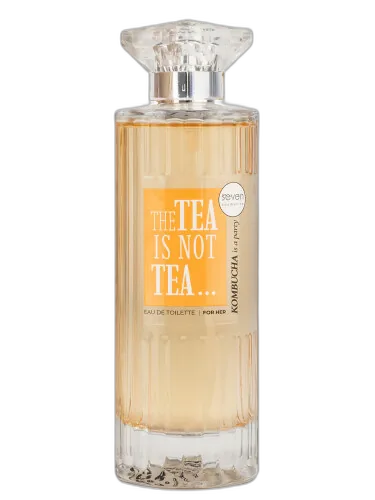
Seven Cosmetics
Kombucha Is A Party Seven Cosmetics
Shared top notes: bergamot, grapefruit
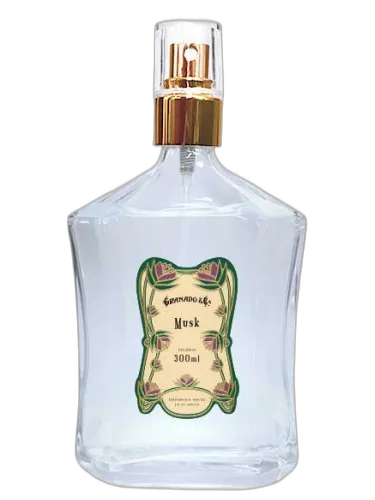
Granado
Musk Granado
Shared top notes: bergamot

Anna Sui
Dolly Girl Anna Sui
Shared top notes: bergamot
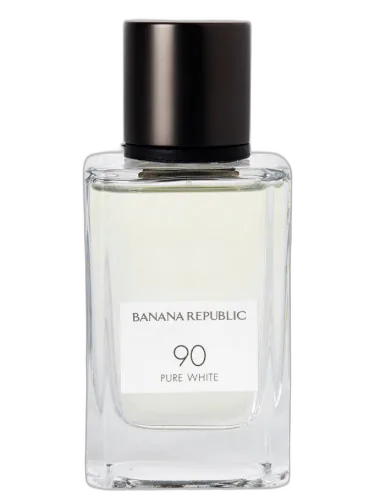
Banana Republic
90 Pure White Banana Republic
Shared top notes: bergamot, grapefruit

Oriflame
Northern Lights Oriflame
Shared top notes: grapefruit, sea water