
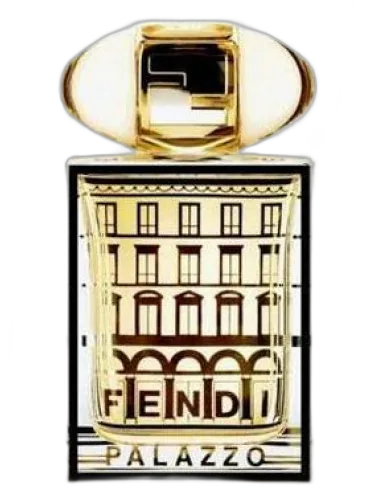

Palazzo Fendi
At a glance
Is Palazzo Fendi worth trying?
Palazzo by Fendi is a Oriental Floral fragrance for women.
- Best match
- Evening wear in Fall
- Performance feel
- Very Good longevity with Strong sillage
- Signature profile
- citrus, woody, white floral with Tangerine, Pink Pepper, Bergamot
The first impression
Palazzo by Fendi is a Oriental Floral fragrance for women. Palazzo was launched in 2007. Palazzo was created by Jean-Pierre Béthouart, Thierry Wasser and Annick Menardo. Top notes are Tangerine, Pink Pepper, Bergamot and Amalfi Lemon; middle notes are African Orange Flower, Jasmine and Rose; base notes are Sandalwood, Guaiac Wood and Patchouli.
What shapes the scent
The perfumer behind it

Annick Menardo
Annick Menardo is a French perfumer known for her work at Firmenich and her bold, modern compositions. She often blends gourmand, woody, and leathery accords, creating fragrances that are both striking and wearable. Her portfolio includes the rich, smoky Figment Man for Amouage and the sophisticated, floral-amber Portrayal Woman, as well as the iconic Azzaro Visit.
Notes pyramid
Top Notes
First impression · 15-30 min
 Tangerine
 Pink Pepper
 Bergamot
 Amalfi Lemon
Heart Notes
Core character · 2-4 hours
 African Orange Flower
 Jasmine
 Rose
Rose
Base Notes
Lasting impression · 4+ hours
 Sandalwood
 Guaiac Wood
 Patchouli
The mood it creates
The Sovereign Archetype: Portrait of Palazzo Fendi
Essence
The person who gravitates toward Palazzo Fendi is ruled by the Sovereign archetype-a figure who commands presence, values refinement, and seeks to impose order on their world. Like the fragrance itself-opulent yet controlled, warm yet structured-they embody authority without brute force, elegance without ostentation. They are not merely drawn to luxury; they define it, shaping their surroundings to reflect their vision of excellence.
Yet, as with all archetypes, the Sovereign has a shadow. Their need for control can curdle into rigidity; their love of hierarchy may blind them to spontaneity. They walk a fine line between leadership and domination, between taste and dogma.
Philosophy & Values
They believe in excellence as a moral imperative. Half-measures are an affront to their nature. Whether in career, relationships, or personal pursuits, they demand the best-from themselves and, sometimes unfairly, from others. Their guiding principle is mastery: the slow, deliberate refinement of skill, taste, and character.
They value tradition, not out of nostalgia, but because they see it as a foundation upon which to build. Yet they are not bound by the past-they reinterpret it, making it their own. Their respect for history is matched only by their confidence in reshaping it.
Relationships
In love and friendship, they are generous but exacting. They attract admirers effortlessly, but few are permitted close. Their inner circle is small, carefully chosen-a court of trusted confidants who meet their standards of loyalty and intellect.
Romantically, they seek a partner who is both an equal and a complement: someone who understands their need for autonomy but can also challenge them. They despise sycophants but may, in weaker moments, mistake flattery for genuine connection. Their greatest fear in love is not abandonment, but mediocrity-being tied to someone who dulls their shine.
Shadow
The Sovereign’s strength is also their weakness. Their need for order can harden into inflexibility, leaving little room for chaos, creativity, or vulnerability. They may mistake adaptability for weakness, forgetting that even the finest marble must yield to the sculptor’s hand.
At their worst, they become tyrannical, imposing their will without regard for others’ autonomy. They may grow impatient with those who do not meet their standards, dismissing them as unworthy rather than seeking to understand. Their disdain for the mediocre can curdle into arrogance, isolating them in a self-made fortress of perfection.
Conclusion
Palazzo Fendi is not merely a scent to them-it is an affirmation. Its blend of amber, vanilla, and leather mirrors their essence: warm but formidable, luxurious but disciplined. They are the ruler of their own destiny, the architect of their world.
Yet true sovereignty lies not just in command, but in wisdom-knowing when to hold fast and when to bend. The greatest Sovereigns are those who learn that power is most enduring when tempered with grace.
If you like this, try these
Fragrances with a comparable profile - shared accords, notes, and character.
Vivant
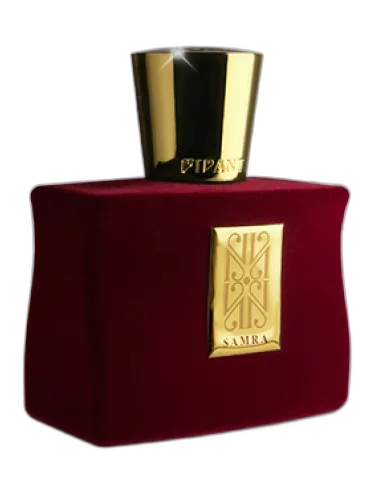
Samra Vivant
Shared top notes: bergamot, tangerine
Adolfo Dominguez
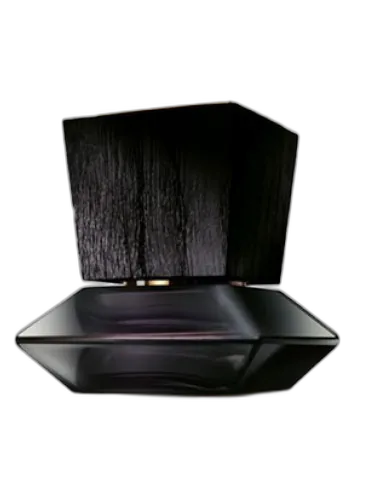
Private Collection Mahonia Adolfo Dominguez
Shared top notes: bergamot, pink pepper
Love The Key to Life
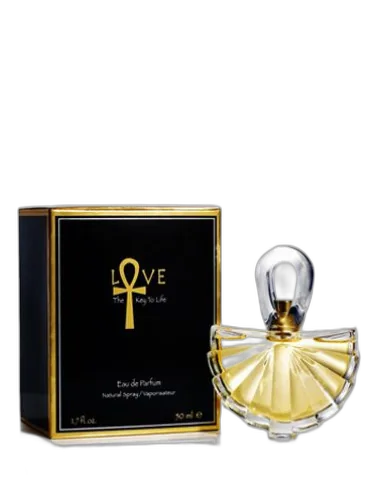
Love The Key To Life Love The Key To Life
Shared top notes: bergamot, pink pepper
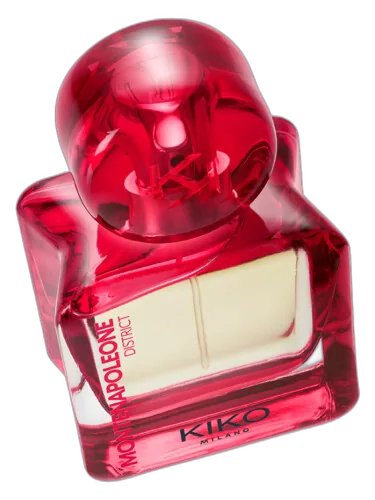
Kiko Milano
Montenapoleone District Kiko Milano
Shared top notes: pink pepper
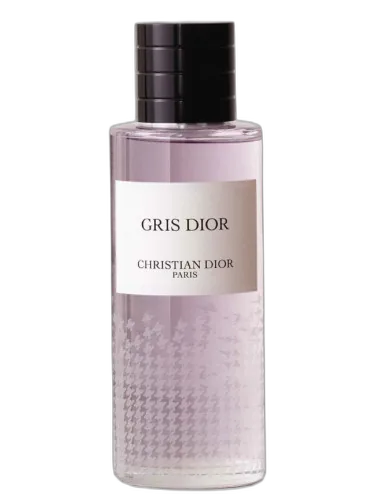
Dior
Gris Dior New Look Limited Edition Dior
Shared top notes: bergamot